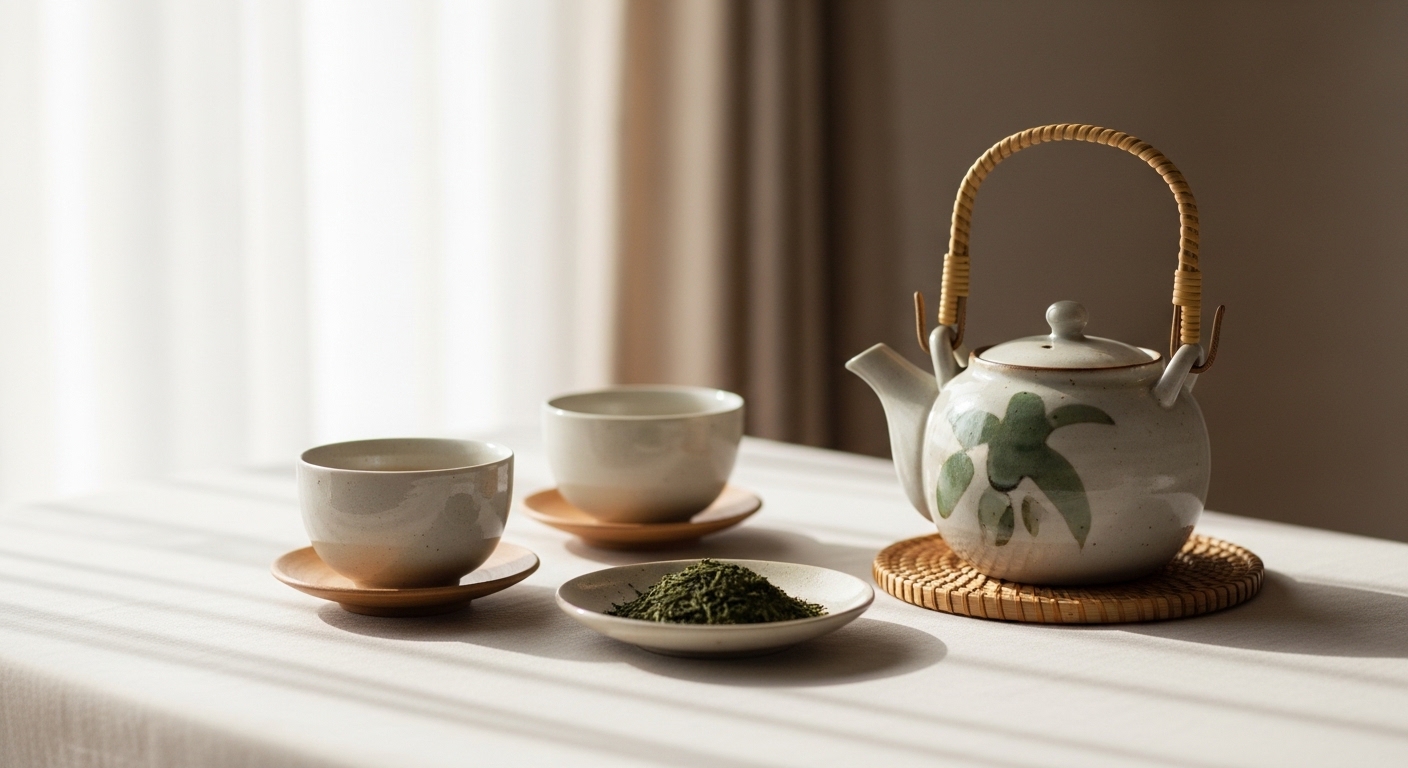
The Japanese Teas I Keep Reaching for Every Week
The teas I reach for most often are not necessarily the rarest or most impressive ones. They are the teas that fit naturally into everyday life: the ones that feel calming in the morning, grounding in the afternoon, or quietly comforting in the evening.
That is one of the things I love most about Japanese tea. It does not need to become a performance. It can simply become part of the rhythm of the day. A small cup beside breakfast, a pause in the afternoon, or something warm after dinner can all feel more settled when tea is part of the habit.
Over time, I have noticed that I do not really want one “best” tea. I want a few different teas that each suit a certain mood, season, or moment at home. That is what this list reflects: not a ranking, but the teas I keep reaching for again and again.
In this article
- Why I prefer a small rotation of Japanese teas instead of one “perfect” choice
- The teas I keep reaching for most often at home
- How different teas fit different moments of the day
- Why water temperature and simple tea tools matter
- A few gentle tea recommendations for building an everyday tea rhythm
- Why I keep coming back to Japanese tea
- Sencha: the tea I return to most often
- Hojicha: when I want something warmer and quieter
- Genmaicha: one of the easiest teas to live with
- A few less typical teas I still enjoy
- Why I prefer a small weekly tea rotation
- How water temperature changes the feeling of tea
- The tea tools that quietly make a difference
- What I keep reaching for most often
- Recommended Japanese Tea Basics
- Final Thoughts
Why I keep coming back to Japanese tea
Japanese tea fits very naturally into the kind of daily life I trust most: calm, repeatable, and not overly stimulating. It offers variety, but in a quiet way. One tea may feel greener and lighter, another more roasted and grounding, and another softer and more familiar beside a meal.
That variety is part of what makes Japanese tea so easy to live with. You do not need to force yourself into one ideal cup for every situation. You can simply keep a few teas around and let them match the moment.
I also appreciate that tea changes the atmosphere of the home very quickly. Even a short tea break can shift the tone of the day. It creates a small pause without asking for very much.
Key point
I do not think of Japanese tea as a single superfood habit. I think of it as a gentle daily rhythm made up of a few teas that each have their own place.
Sencha: the tea I return to most often
If I had to choose one Japanese tea that feels most like an everyday standard, it would probably be sencha. It has a freshness that feels clean without being sharp, and it fits beautifully into ordinary life.
Sencha is one of the teas I reach for when I want the day to feel a little more awake and organized. It works especially well in the morning or early afternoon, when I want something green and clear but not too heavy.
What I like most about sencha is that it can feel both refreshing and grounded at the same time. It pairs naturally with breakfast, lighter meals, or a quiet work break. It is not dramatic, which is exactly why it is so easy to keep coming back to.
Hojicha: when I want something warmer and quieter
Hojicha has a very different character. Because it is roasted, it feels softer, toastier, and more settled. This is often the tea I want later in the day, especially when I want warmth without the brighter edge of greener teas.
There is something very reassuring about hojicha. It can make an afternoon feel less rushed, and it pairs well with slower moments at home. I also think it works beautifully with simple snacks or after dinner, when I want the day to soften a little.
If sencha feels like clarity, hojicha feels like exhale.
A gentler approach
Different teas do not need to compete with each other. One can feel right for clarity, another for comfort, and another for the quiet spaces in between.
Genmaicha: one of the easiest teas to live with
Genmaicha is one of the friendliest teas to keep in regular rotation. The toasted rice gives it a warm, familiar feeling that makes it approachable even for people who do not usually drink a lot of green tea.
I often think of genmaicha as a tea that belongs naturally to everyday meals. It does not ask for much ceremony. It simply fits. That makes it especially useful for people who want tea to become part of real life, not just something for special moods.
It is also one of the teas I reach for when I want something between green and roasted, fresh and comforting. It occupies a very easy middle ground.
A few less typical teas I still enjoy
Alongside classic Japanese teas, I also like keeping a few less typical herbal or mineral-feeling teas around the house. These are not always the teas I drink every single day, but they are part of the wider rhythm I come back to.
Sometimes I reach for teas like pine needle tea or horsetail tea when I want something that feels a little different from my usual green tea pattern. I do not think of them as miracle drinks. I simply think of them as another way to bring variety, warmth, and a different feeling into the day.
That said, the core of my weekly rotation is still made up of Japanese teas that are easy to return to again and again: sencha, hojicha, and genmaicha.
Why I prefer a small weekly tea rotation
I have found that tea becomes much easier to enjoy consistently when I stop trying to optimize every cup. A small weekly rotation feels far more natural than constantly searching for the one best tea.
For me, that usually means keeping a few dependable options on hand:
One greener tea
Usually sencha, for mornings or early afternoons.
One warmer roasted tea
Usually hojicha, for later in the day or slower moments.
One easy everyday tea
Often genmaicha, because it fits so comfortably into meals and ordinary routines.
This kind of rotation keeps tea interesting without making it complicated. It also makes reordering easier, which matters if you want tea to stay part of daily life instead of becoming a short-lived phase.
Key point
A small tea rotation is often more sustainable than chasing variety for its own sake. The best tea habit is usually the one you can keep returning to naturally.
How water temperature changes the feeling of tea
One of the simplest ways to change how tea feels at home is not to change the tea itself, but the water temperature. The same tea can taste very different depending on how hot the water is.
Greener teas like sencha often feel softer and more balanced when brewed at a lower temperature. Roasted teas like hojicha are usually more forgiving, which is part of their everyday appeal. Genmaicha sits somewhere in between, depending on the blend.
This is one reason I think a temperature-controlled kettle can be such a worthwhile tool if tea is already part of your routine. It is not necessary for everyone, but it can quietly improve an everyday habit you return to again and again.
The tea tools that quietly make a difference
I am not interested in collecting tea tools for their own sake. But a few simple tools really can make everyday tea feel easier and better.
A small kyusu or everyday teapot
A teapot that feels good in the hand and is easy to use naturally encourages more tea at home.
A temperature-controlled kettle
This is especially useful if you drink greener teas regularly and want more consistency without effort.
A tea canister
Good storage helps tea stay more fragrant and makes the kitchen feel more orderly.
None of these tools are about turning tea into a project. They are simply quiet supports for a habit that already matters to you.
What I keep reaching for most often
If I look at my real weekly rhythm rather than an idealized version, I tend to come back to the same pattern: sencha when I want a clearer start, hojicha when I want warmth and calm, and genmaicha when I want something easy and familiar.
That is what makes these teas so useful. They do not belong only to a mood board version of Japanese life. They actually fit the ordinary week.
And that, more than anything, is what I value in a tea habit. Not perfection. Just teas that keep finding their place in the day.
Recommended Japanese Tea Basics
If you want to build a gentler everyday tea rhythm at home, these are the kinds of teas and simple tools that make the most sense to me. The goal is not to buy everything at once, but to keep a few things around that you will genuinely keep reaching for.
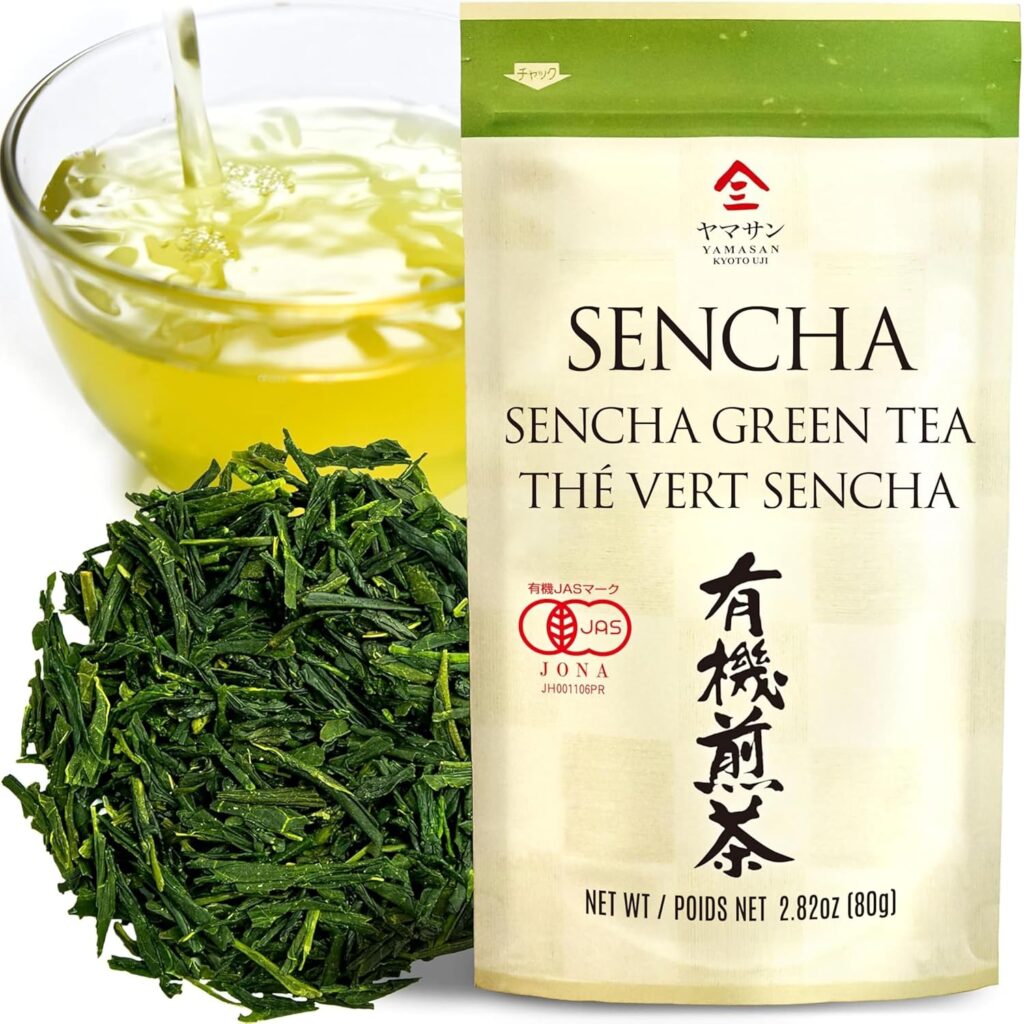
Sencha tea
A fresh, green everyday standard that works beautifully in the morning or early afternoon.
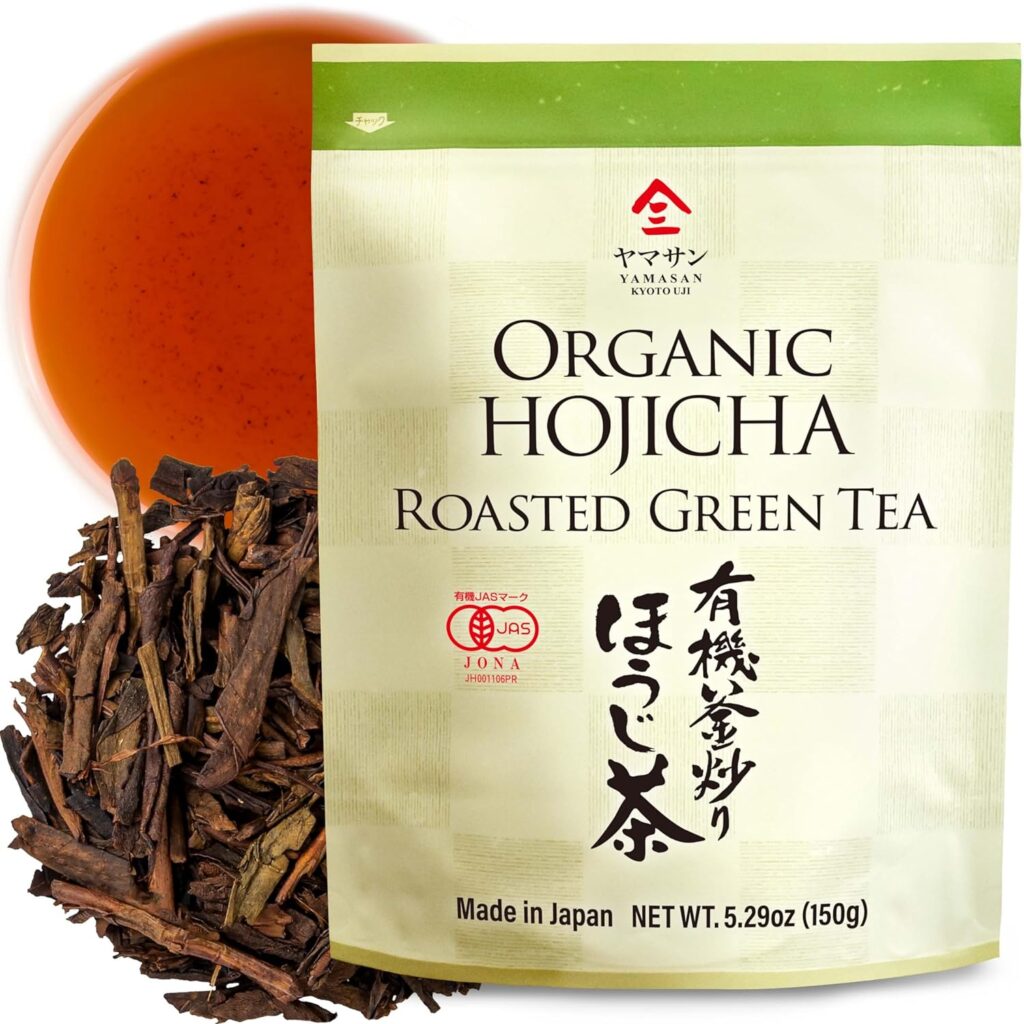
Hojicha tea
A softer roasted tea for slower afternoons, evening quiet, or a more grounded tea break.
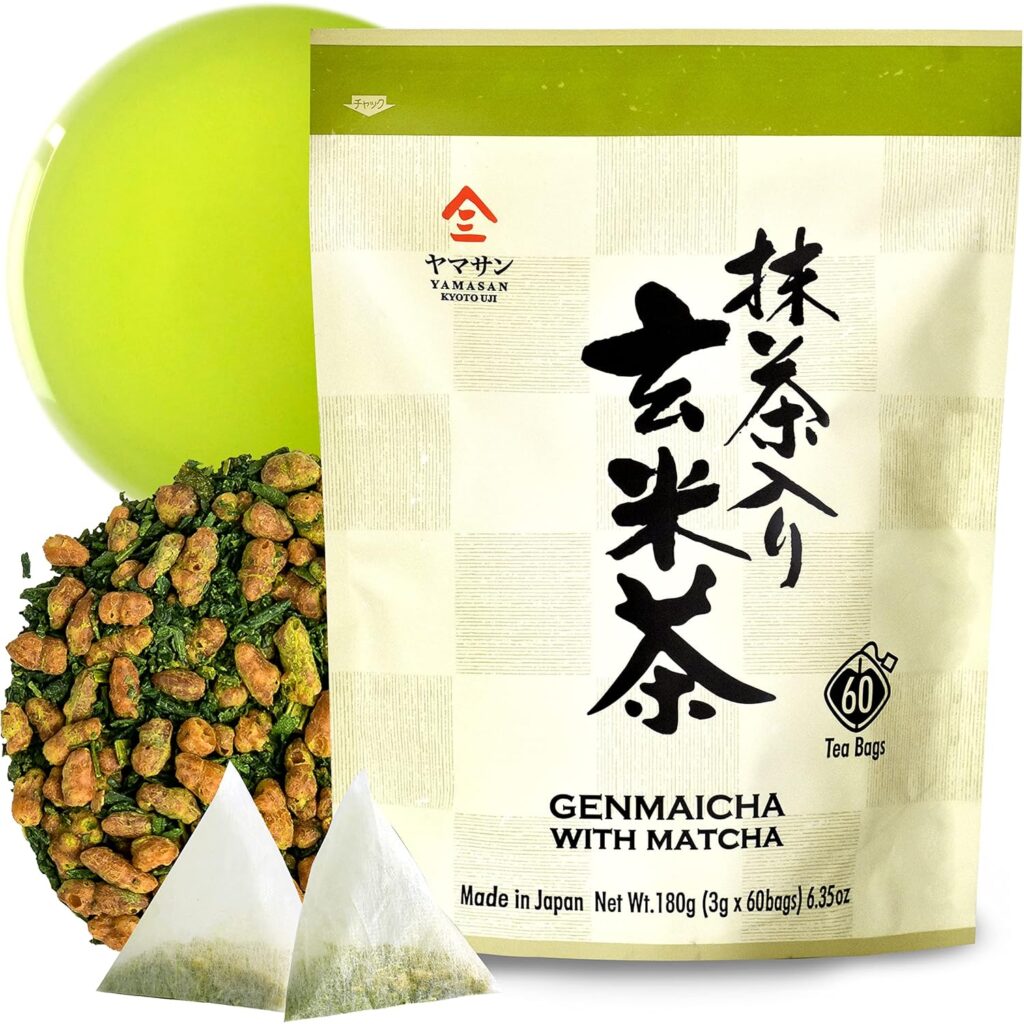
Genmaicha tea
An easy tea to live with, especially if you want something warm, familiar, and very natural with meals.
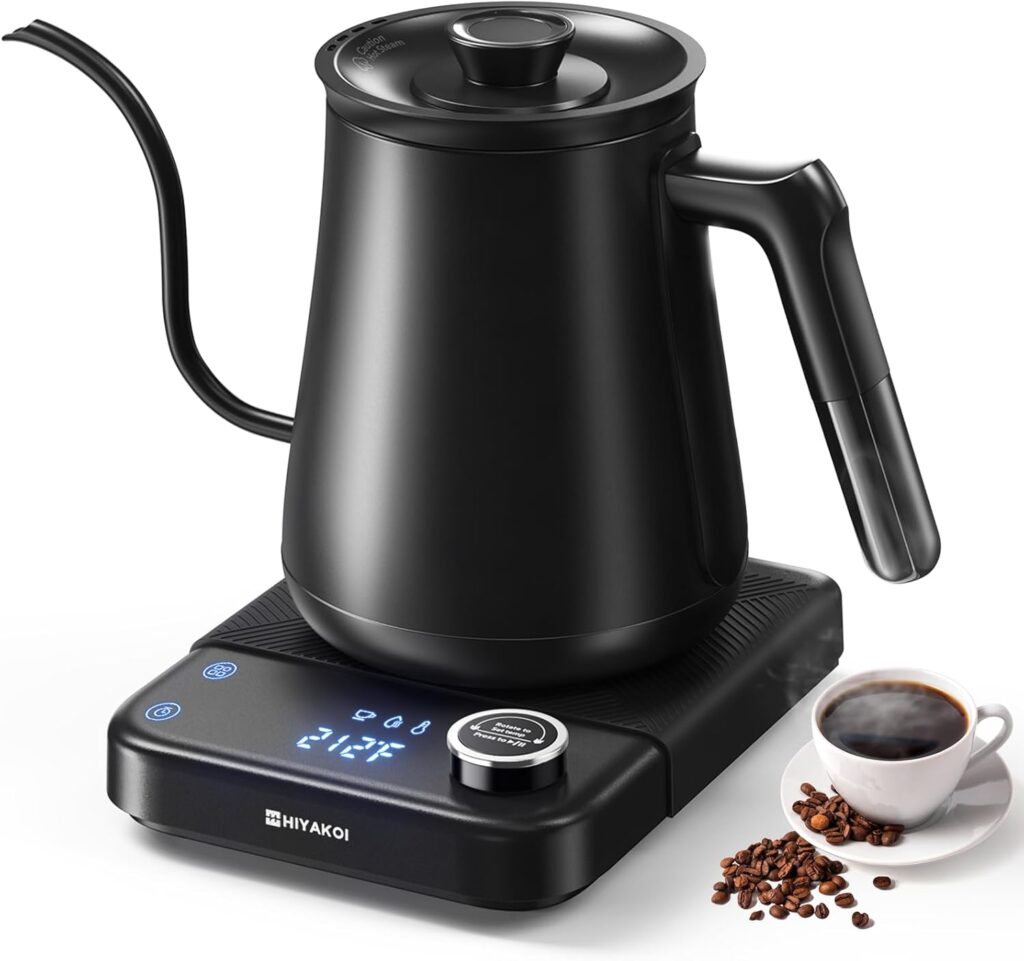
Temperature-controlled kettle
A worthwhile quiet upgrade if tea is already part of your weekly rhythm and you want greener teas to feel more balanced.
A note on recommendations
I prefer to recommend only a small number of teas and tools that fit naturally into daily life. The goal is not to turn tea into a shopping list, but to support a calm habit you will actually keep returning to.
Final Thoughts
The teas I keep reaching for every week are not the ones that demand the most attention. They are the ones that make daily life feel a little more settled, a little warmer, or a little clearer.
That is what I find most compelling about Japanese tea. It offers variety without noise, ritual without pressure, and comfort without heaviness. A few good teas, kept close at hand, can quietly shape the rhythm of the week.
コメント