A Simple Guide to Japanese Miso: White, Red, and How to Use It Every Day
Miso is one of the quiet foundations of Japanese home cooking. It is simple, deeply flavorful, and surprisingly versatile. From light white miso to deeper red miso, this fermented paste can shape soups, sauces, marinades, and everyday meals in ways that feel nourishing without becoming complicated.
If you are curious about Japanese food and longevity, miso is one of the most useful ingredients to understand. It appears often in traditional kitchens not because it is trendy, but because it is practical, adaptable, and easy to build into daily life.
Many people first meet miso through miso soup, but that is only the beginning. Different kinds of miso bring different flavors, and once you understand a few simple distinctions, it becomes much easier to choose one that suits your cooking style. You do not need a large collection or advanced recipes. A single good miso can go a long way.
In this article
- What miso is and why it matters in Japanese cooking
- The difference between white miso and red miso
- How blended miso fits between the two
- Simple ways to use miso every day
- A few gentle miso staples to begin with
What Is Miso?
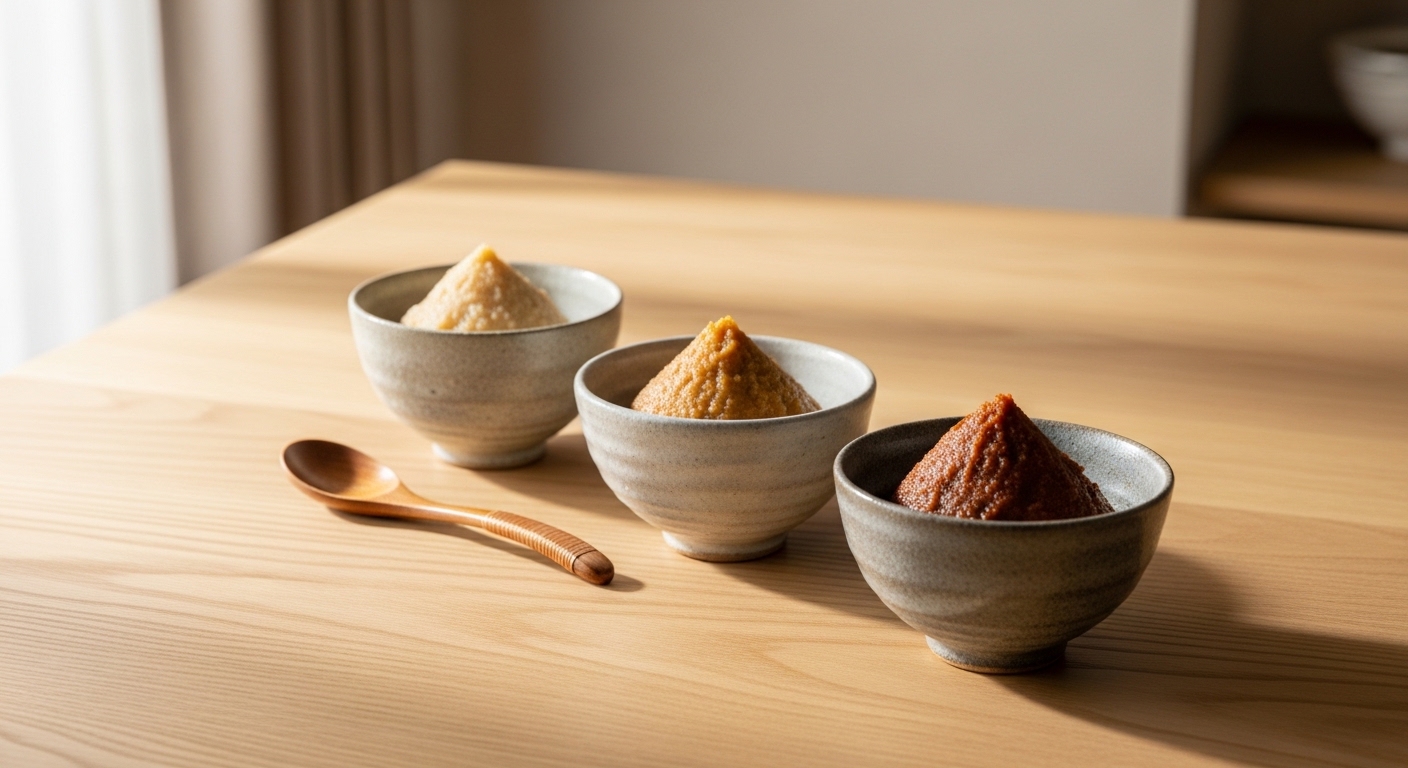
Miso is a traditional Japanese paste made by fermenting soybeans with salt and koji, a cultured grain that helps create its rich flavor and depth. Depending on the recipe, fermentation time, and the grains used, miso can become mild and slightly sweet, or darker, saltier, and more robust.
That range is part of what makes miso so useful. It is not a single flavor, but a family of flavors. Some miso types are especially good for gentle everyday soups, while others are better for stronger broths, glazes, or cooked dishes.
In Japanese home cooking, miso is valued not only for taste, but for the way it supports simple meals. A small spoonful can add savoriness, warmth, and complexity to ingredients that might otherwise feel plain. This makes it easier to prepare food that is both modest and satisfying.
Key point
Miso is more than a soup ingredient. It is one of the easiest ways to add depth and character to simple everyday cooking.
White Miso: Mild, Soft, and Easy to Love
White miso, often called shiro miso, is usually the most approachable place to begin. It tends to be lighter in color, milder in flavor, and slightly sweeter than darker varieties. Because it is gentle, it works especially well in soups that include tofu, wakame, scallions, or tender vegetables.
White miso is a good choice if you want your meals to feel calm and balanced rather than intense. It blends easily into broth and can also be whisked into dressings or light sauces. For many people, it becomes the miso they reach for most often simply because it is so flexible.
When white miso works best
White miso is especially useful in:
- simple everyday miso soup
- light vegetable soups
- gentle salad dressings
- mild marinades for tofu or fish
If you are new to Japanese ingredients, white miso is usually the easiest one to enjoy consistently.
Red Miso: Deeper, Richer, and More Robust
Red miso, or aka miso, is darker, stronger, and often saltier than white miso. It tends to have a fuller, more assertive flavor that can stand up to heartier ingredients such as mushrooms, root vegetables, or richer broths.
Some people love red miso immediately, while others prefer to begin with white miso and work toward it gradually. Neither is better. They simply create different moods in the kitchen. White miso feels softer and more delicate; red miso feels deeper and more grounded.
When red miso works best
Red miso is especially useful in:
- hearty soups for colder weather
- stronger broths with mushrooms or daikon
- savory glazes and marinades
- cooked dishes that need a deeper umami note
Key point
White miso tends to feel softer and sweeter. Red miso tends to feel deeper and stronger. Choosing between them is less about rules and more about the kind of meal you want to create.
What About Blended Miso?
Between white and red miso, there is often a very practical middle ground: blended miso, sometimes called awase miso. This type combines elements of both and is often a very good “everyday miso” for people who want balance without having to choose an extreme.
If white miso feels too mild and red miso feels too strong, blended miso can be the most useful option for regular cooking. It works well in miso soup, but also has enough presence to hold up in sauces and simple glazes.
For many kitchens, an everyday pattern emerges naturally: white miso for lighter soups, blended miso for general use, and red miso for deeper winter-style dishes or richer flavors.
How to Use Miso Every Day
One of the best things about miso is that it does not require a special occasion. A spoonful here and there can quietly change the tone of a meal. The goal is not to use it in dramatic ways, but to let it become part of an easy rhythm.
1. Start with miso soup
This is still the most natural place to begin. A simple broth, a spoonful of miso, tofu, and dried wakame are enough for a very approachable bowl. Once that feels familiar, you can add mushrooms, cabbage, daikon, or scallions depending on the season.
2. Stir it into a light dressing
White miso can be whisked into a simple dressing with a little rice vinegar, sesame oil, or olive oil. This makes it easy to bring more Japanese pantry flavor into raw or lightly cooked vegetables.
3. Use it as a marinade
Miso works beautifully as part of a simple marinade for tofu, salmon, or eggplant. Even a small amount adds depth and helps a very ordinary ingredient feel more complete.
4. Add a spoonful to sauces or broths
You do not always need a full bowl of miso soup to use miso. A little can enrich noodle broth, vegetable soup, or a savory sauce for roasted vegetables.
Key point
The easiest way to make miso part of everyday life is not to chase complex recipes. It is to use it in small, repeatable ways: soup, dressing, marinade, or broth.
Do You Need More Than One Kind?
Not at first. It is very easy to overcomplicate pantry building. If you are just beginning, one good white miso or blended miso is enough. Learn how it tastes in your kitchen. Notice what kinds of vegetables, soups, or meals feel good with it. Only after that do you need to think about adding a darker or stronger miso.
This slower approach is often more realistic and more aligned with the spirit of Japanese home cooking. A calm kitchen is not built by collecting every possible ingredient. It is built by choosing a few useful ones and learning how to return to them with ease.
How to Choose a Miso for Your Kitchen
If you want something light and beginner-friendly, start with white miso. If you want a stronger, more savory miso for robust dishes, try red miso. If you want one everyday miso that sits in the middle, look for a blended miso.
It is also helpful to think about your own habits. Are you mostly making soup? White miso may be best. Do you like strong broths, roasted vegetables, or bolder flavors? Red miso may suit you better. Do you want one tub that can do a little of everything? Blended miso is a very practical option.
A Few Gentle Ways to Begin
If you are still unsure, the easiest path is to start with white miso and use it for a week or two in simple soup. Then, once it becomes familiar, try a second variety and notice the difference. This kind of side-by-side learning is often more useful than reading long technical explanations.
You do not need to become an expert to benefit from miso. Even a basic understanding can make everyday meals feel richer, warmer, and more grounded.
Recommended Miso Staples to Explore
These are a few gentle starting points if you want to understand miso more naturally at home.
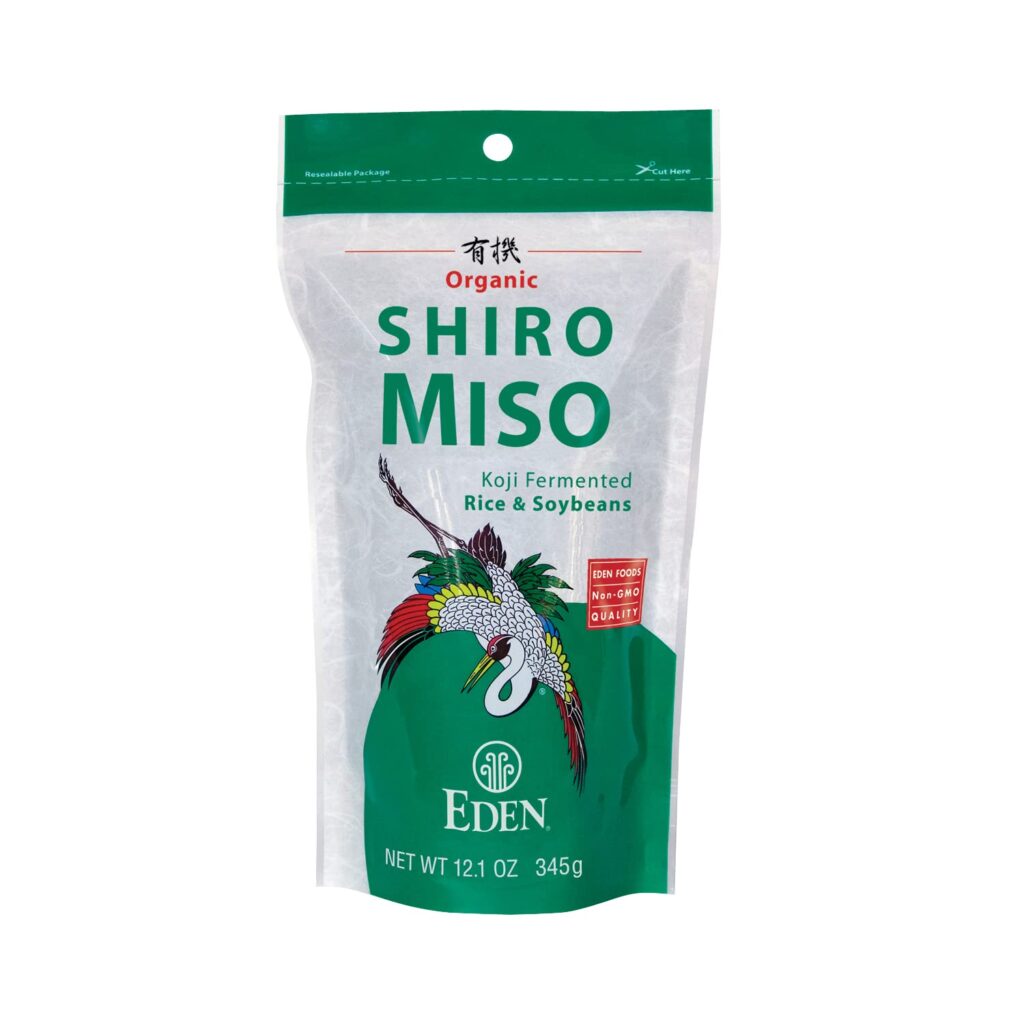
White Miso Paste
A mild and beginner-friendly miso that works beautifully in light everyday soups and simple dressings.
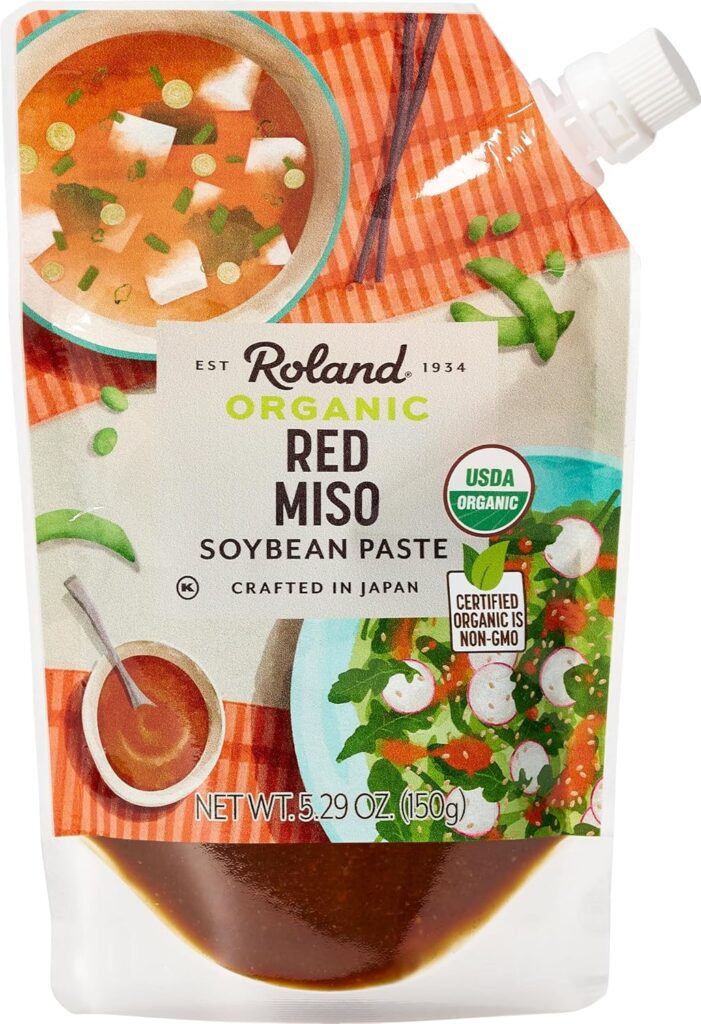
Red Miso Paste
A deeper, more robust miso for hearty soups, stronger broths, and savory cooked dishes.
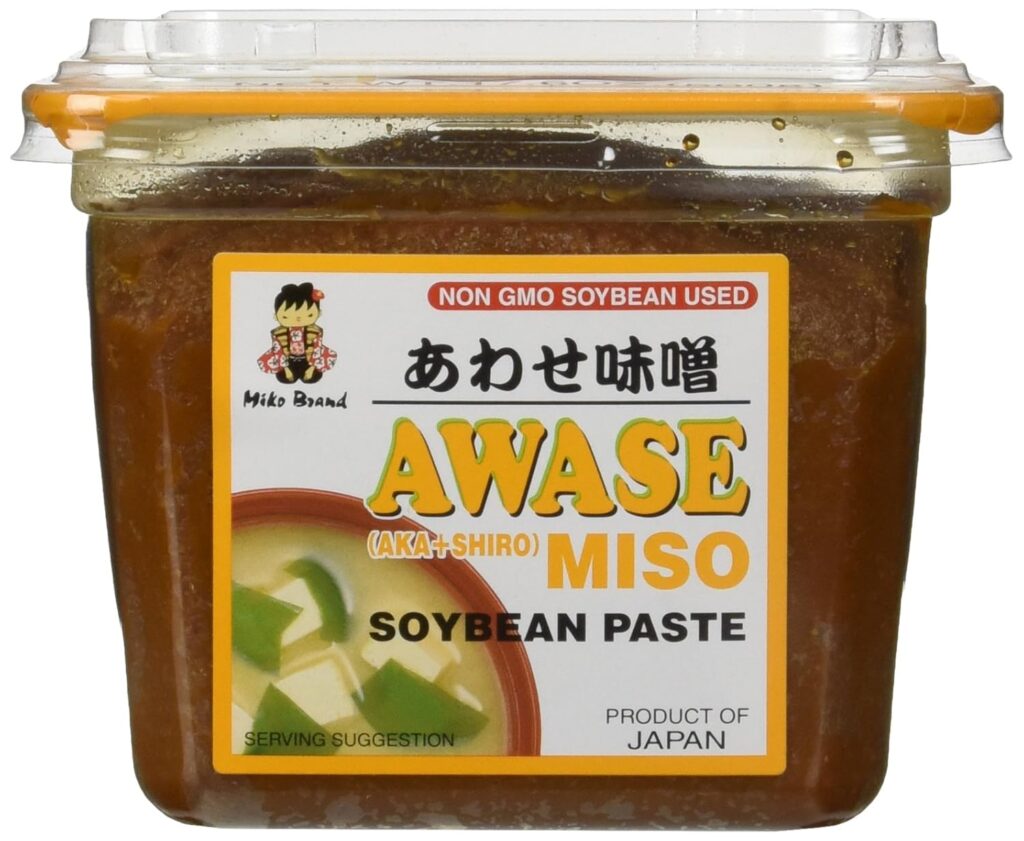
Everyday Blended Miso
A practical middle-ground miso that balances softness and depth for regular home cooking.
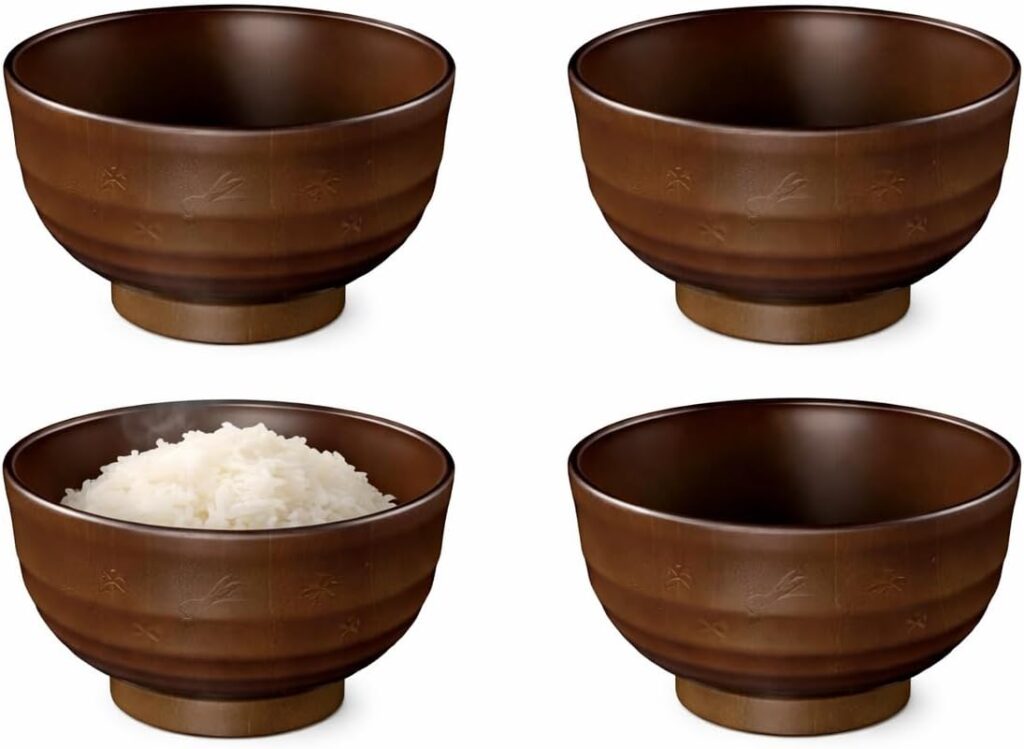
Simple Miso Soup Set
A calm everyday set of bowls or soup basics that makes it easier to turn miso into a repeatable kitchen habit.
A note on recommendations
These suggestions are not meant to turn miso into a shopping project. They are simply a few gentle starting points for understanding how different kinds of miso can fit into everyday cooking.
Final Thoughts
Miso can seem mysterious at first, but in practice it is one of the most approachable ingredients in Japanese cooking. White miso, red miso, and blended miso each offer a different kind of warmth and depth, but all of them can help simple food feel more complete.
The beauty of miso is that it supports the kind of eating many people are already looking for: modest, flavorful meals that are easy to repeat. It does not ask for perfection. It simply asks for a little attention, a few basic ingredients, and a willingness to return to simple habits.
If you want to bring more Japanese rhythm into your kitchen, learning how to use miso every day is one of the gentlest and most practical places to begin.
Related reading on The Zen Longevity
- Miso Soup Every Day? What This Japanese Habit Can Teach Us About Simple Nutrition
- Japanese Fermented Foods for Gut Health and Healthy Aging
- Japanese Pantry Essentials for a Calm, Healthy Kitchen
- What Japanese People Eat in a Typical Day: A Gentle Look at Everyday Meals in Japan
- The Japanese Longevity Diet: Principles Behind Everyday Healthy Aging

コメント