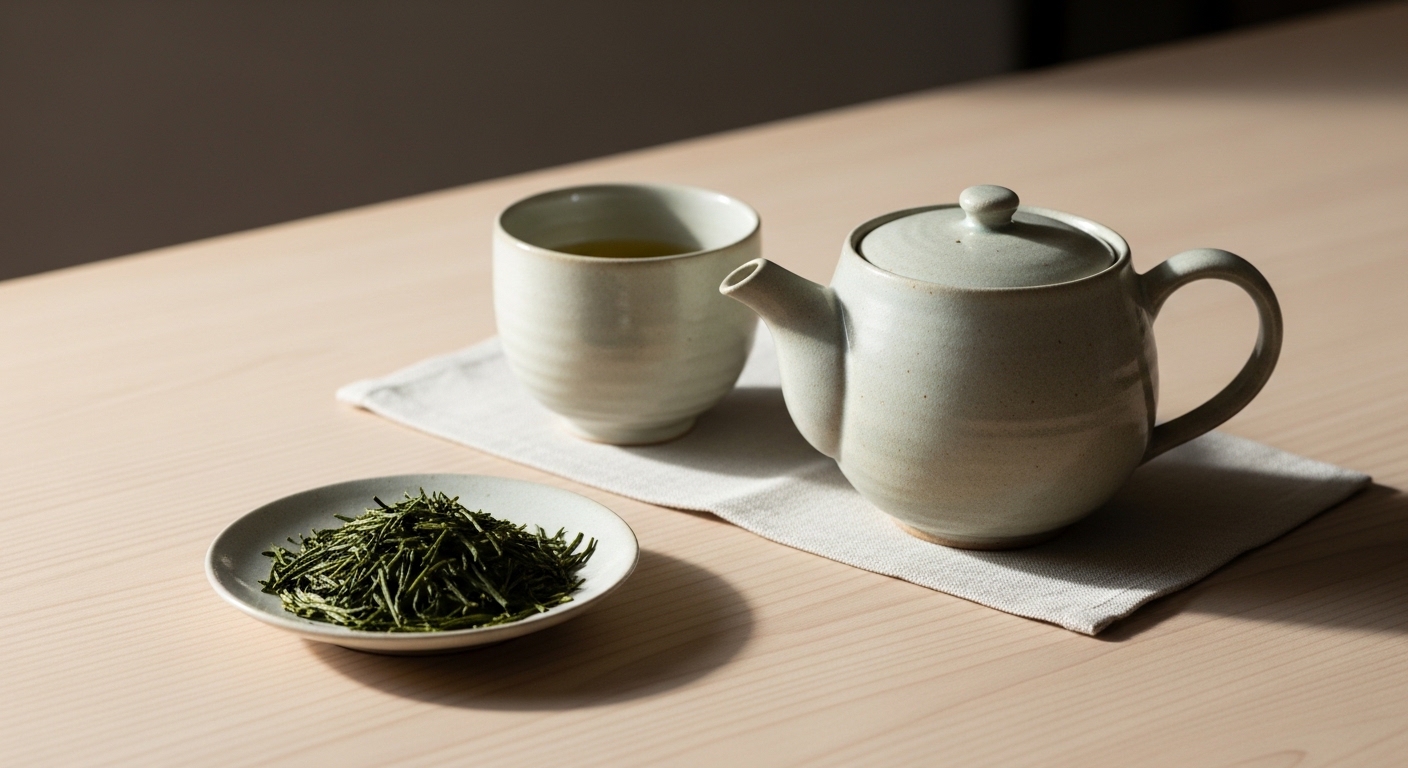
Is Green Tea Good for Longevity? A Gentle Guide to Everyday Japanese Tea Habits
Green tea is often associated with Japanese longevity, but its real value may be quieter than many headlines suggest. It is not a miracle drink or a shortcut to healthy aging. Rather, it is part of a daily rhythm built on moderation, repetition, and simple habits that support steadier well-being over time. In this article, we explore why green tea is so closely linked with Japanese daily life, how it may support a longevity-friendly lifestyle, and how to make it part of your own routine in a gentle, realistic way.
Green tea appears almost everywhere in Japanese daily life.
It is served with meals, poured for guests, carried in bottles, prepared at home, and enjoyed in quiet moments between tasks. Unlike trendy wellness drinks that come and go, green tea has remained part of ordinary life for generations.
This alone makes it interesting.
When people talk about longevity, they often focus on dramatic interventions: supplements, fasting protocols, extreme routines, or one special food expected to change everything. But in many long-living cultures, health is shaped less by intensity than by repetition. It is built through small habits that are easy to continue.
Green tea fits that pattern remarkably well.
It is simple, widely used, and naturally connected to slower, more mindful rhythms of eating and resting. That does not make it magical. But it does make it meaningful.
In this article
- Why green tea is often linked with Japanese longevity
- What green tea may offer in daily life
- How tea fits into a calmer, longevity-friendly rhythm
- The difference between green tea, hojicha, and other Japanese teas
- How to begin an everyday tea habit gently
- Why Green Tea Is So Closely Linked with Japanese Longevity
- Is Green Tea Actually “Good for Longevity”?
- What Green Tea May Offer in Everyday Life
- Green Tea and the Rhythm of Daily Life
- Sencha, Hojicha, Genmaicha: Which Tea Fits Best?
- How Green Tea Fits Into a Longevity-Friendly Kitchen
- How to Start an Everyday Tea Habit Gently
- When Green Tea May Not Be the Best Fit
- Final Thoughts
- A Few Japanese Teas to Begin With
Why Green Tea Is So Closely Linked with Japanese Longevity
Green tea is not only a beverage in Japan. It is also a habit.
That distinction matters. Many of the things associated with healthy aging in Japan are not remarkable because they are exotic. They matter because they are ordinary, repeated, and integrated into everyday life. Green tea belongs to that category.
It is often consumed without excess sugar, without heavy additives, and without the kind of overstimulation that surrounds many modern drinks. It supports pauses rather than spikes. It is often present alongside simple meals rather than processed snacks. And it naturally belongs to a broader food culture that values moderation, seasonal rhythms, and calm repetition.
This does not mean everyone in Japan drinks green tea and becomes long-lived because of it.
But it does help explain why green tea appears so often in conversations about healthy aging. It is part of a pattern, and patterns are often more meaningful than isolated products.
Why green tea matters
Green tea is linked with Japanese longevity not because it is a miracle drink, but because it fits naturally into a broader lifestyle of moderation, simple meals, and repeatable daily habits.
Is Green Tea Actually “Good for Longevity”?
The most honest answer is: it may be supportive, but it is not a guarantee.
Green tea is often discussed because it contains naturally occurring compounds such as catechins and other polyphenols that researchers have studied in relation to oxidative stress, cardiovascular health, and metabolic well-being. This has made it one of the most widely discussed everyday beverages in longevity conversations.
But this needs to be understood in context.
Green tea does not cancel out a chaotic lifestyle. It does not replace sleep, balanced meals, movement, or emotional steadiness. And drinking more of it is not automatically better.
Its real strength may be more practical than dramatic.
Green tea can become part of a daily rhythm that supports healthier patterns overall. It may gently replace sweet drinks, create moments of pause, accompany meals more lightly, and encourage a calmer relationship with daily nourishment.
In that sense, green tea supports longevity less as a “hack” and more as a habit.
What Green Tea May Offer in Everyday Life
One reason green tea remains so appealing is that its benefits are not only nutritional. They are also behavioral.
1. A lighter alternative to sugary drinks
For many people, one of the simplest benefits of green tea is substitution.
When tea replaces sweetened coffee drinks, soda, energy drinks, or bottled beverages with heavy sugar, it naturally changes the quality of everyday intake. This alone can make a meaningful difference over time.
2. A more mindful relationship with drinking
Tea is often prepared more slowly than highly processed convenience drinks.
Even a simple act of heating water, choosing a cup, steeping leaves, and pausing before drinking can shift the emotional tone of a moment. This turns hydration into something more grounded and less automatic.
3. A calmer kind of stimulation
Many people find green tea gentler than stronger caffeinated drinks.
While it still contains caffeine, the experience can feel steadier and less jarring than heavily sweetened or high-caffeine beverages. This makes it easier to integrate into a calmer daily routine.
4. A natural companion to simple meals
Green tea pairs beautifully with rice, soups, vegetables, fish, and light Japanese meals.
It does not overwhelm food, and it tends to support the kind of modest, balanced eating pattern that is often associated with long-term well-being.
Why people keep returning to green tea
- It can gently replace sweeter drinks
- It supports quieter daily rituals
- It often feels steadier than stronger stimulants
- It fits naturally with simple meals
Green Tea and the Rhythm of Daily Life
Perhaps the most overlooked quality of green tea is the rhythm it supports.
In modern life, drinks are often consumed for speed, stimulation, or emotional compensation. We grab them while working, walking, driving, scrolling, or trying to force more output from a tired body. Green tea can certainly be consumed that way too, but traditionally it is often linked with a gentler pace.
It appears in pauses.
After a meal. During a short rest. When welcoming someone. In a quiet room. In the morning before the day becomes noisy. In the afternoon as a small reset.
These moments may seem minor, but they shape the texture of a life.
Longevity is not only about nutrients. It is also about rhythm — how the day is divided, how rest enters ordinary life, and how often we return to steadier patterns instead of living in constant excess.
This is one reason tea belongs so naturally in a longevity conversation.
Sencha, Hojicha, Genmaicha: Which Tea Fits Best?
Not all Japanese teas feel the same.
For many readers, the most useful question is not “Which tea is healthiest?” but “Which tea best fits the moment I want to create?”
Sencha
Sencha is one of the most familiar forms of Japanese green tea.
It has a fresh, grassy quality and works well as an everyday tea, especially during the morning or early afternoon. For many people, it is the clearest starting point when exploring Japanese tea habits.
Hojicha
Hojicha is roasted, warmer in character, and often gentler in the evening.
Its flavor feels softer, toastier, and more grounding. This makes it especially appealing for readers who want tea as part of an evening reset rather than daytime alertness.
Genmaicha
Genmaicha combines green tea with roasted rice.
It can feel comforting and approachable, especially for people who want something less grassy and more mellow. It often pairs well with food and may be one of the easiest teas for beginners to enjoy.
A simple way to choose
Sencha is a good everyday starting point, hojicha is especially suited to evening calm, and genmaicha often feels warm and approachable for beginners.
How Green Tea Fits Into a Longevity-Friendly Kitchen
Green tea makes the most sense when it belongs to a broader pattern of eating and living.
It pairs naturally with the kind of kitchen we have been exploring across The Zen Longevity: one built around simple staples, repeatable meals, better pantry choices, and less dependence on highly processed convenience food.
In that kind of kitchen, tea is not a performance item.
It is practical. It is there when you need a warm drink that is not sugary. It is there when you want to soften a meal. It is there when you need a pause that feels nourishing rather than numbing.
This is where green tea becomes more than a beverage.
It becomes part of the environment that supports steadier habits.
How to Start an Everyday Tea Habit Gently
You do not need a formal tea practice to begin.
The best way to start is to make tea easy enough that it belongs to real life. A single tea you enjoy is enough. A simple cup is enough. One calm moment a day is enough.
Here are a few realistic ways to begin:
- Replace one sugary afternoon drink with green tea
- Keep sencha or genmaicha at home for meals
- Use hojicha in the evening instead of sweeter comfort drinks
- Make tea part of one daily pause, even if it lasts only five minutes
- Choose a tea you genuinely like rather than chasing the “best” one
The point is not to become impressive. It is to become consistent.
That is what turns a drink into a longevity-supportive habit.
5 gentle tea habits to try
- Drink green tea with one meal each day
- Replace one sweet drink with sencha or genmaicha
- Use hojicha as part of your evening wind-down
- Prepare tea without your phone nearby
- Keep one favorite tea visible in your kitchen
When Green Tea May Not Be the Best Fit
Green tea is not ideal for every person or every moment.
Some people are sensitive to caffeine. Others may find stronger green teas uncomfortable on an empty stomach, or too stimulating later in the day. In those cases, switching to hojicha, adjusting timing, or drinking tea with food may be more supportive.
This is important because longevity is not about forcing yourself into a habit that looks healthy.
It is about choosing habits that genuinely fit your body and your life.
Final Thoughts
Green tea may not be powerful because it is dramatic. It may be powerful because it is ordinary.
It is easy to return to. It belongs to meals, pauses, and daily rhythms. It offers a gentler alternative to sweeter and more stimulating drinks. And it reflects one of the most valuable lessons in Japanese approaches to longevity: that small habits, repeated calmly, matter more than extreme effort.
So is green tea good for longevity?
It can be part of a longevity-friendly life — especially when it supports steadier energy, simpler meals, and a calmer daily rhythm.
That may be enough reason to begin.
Related reading on The Zen Longevity
A Few Japanese Teas to Begin With
If you are curious about bringing Japanese tea into everyday life, it helps to begin with just a few simple options rather than trying to learn everything at once.
The goal is not to build a perfect tea ritual. It is to find one or two teas that feel natural in your daily rhythm and easy to enjoy with consistency.
A gentle place to begin
- Choose one tea for daytime, such as sencha
- Choose one calmer tea for the evening, such as hojicha
- Try one approachable tea for meals, such as genmaicha
- Use a simple teaware item that makes tea easy to prepare
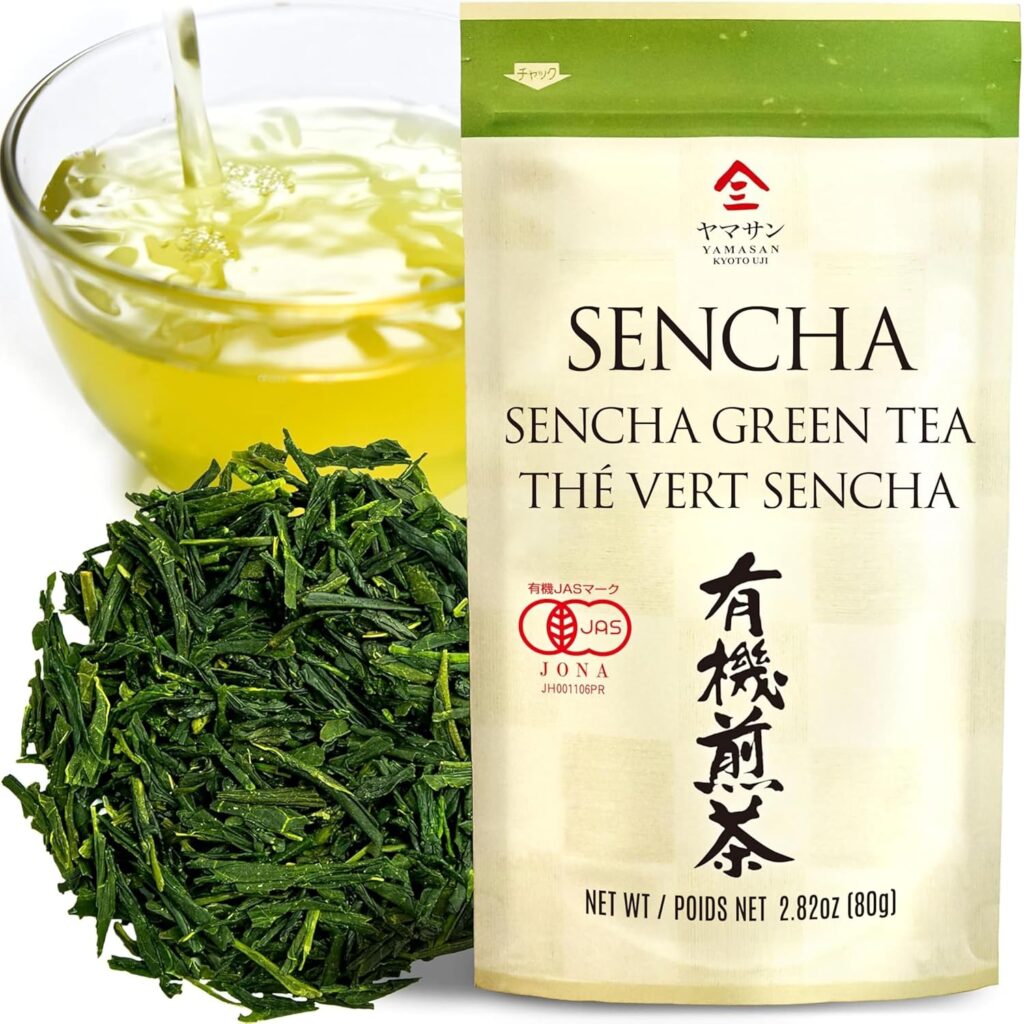
1. Sencha
Sencha is one of the most familiar Japanese green teas and a natural place to begin. Its fresh, grassy character works especially well in the morning or early afternoon as part of an everyday tea habit.
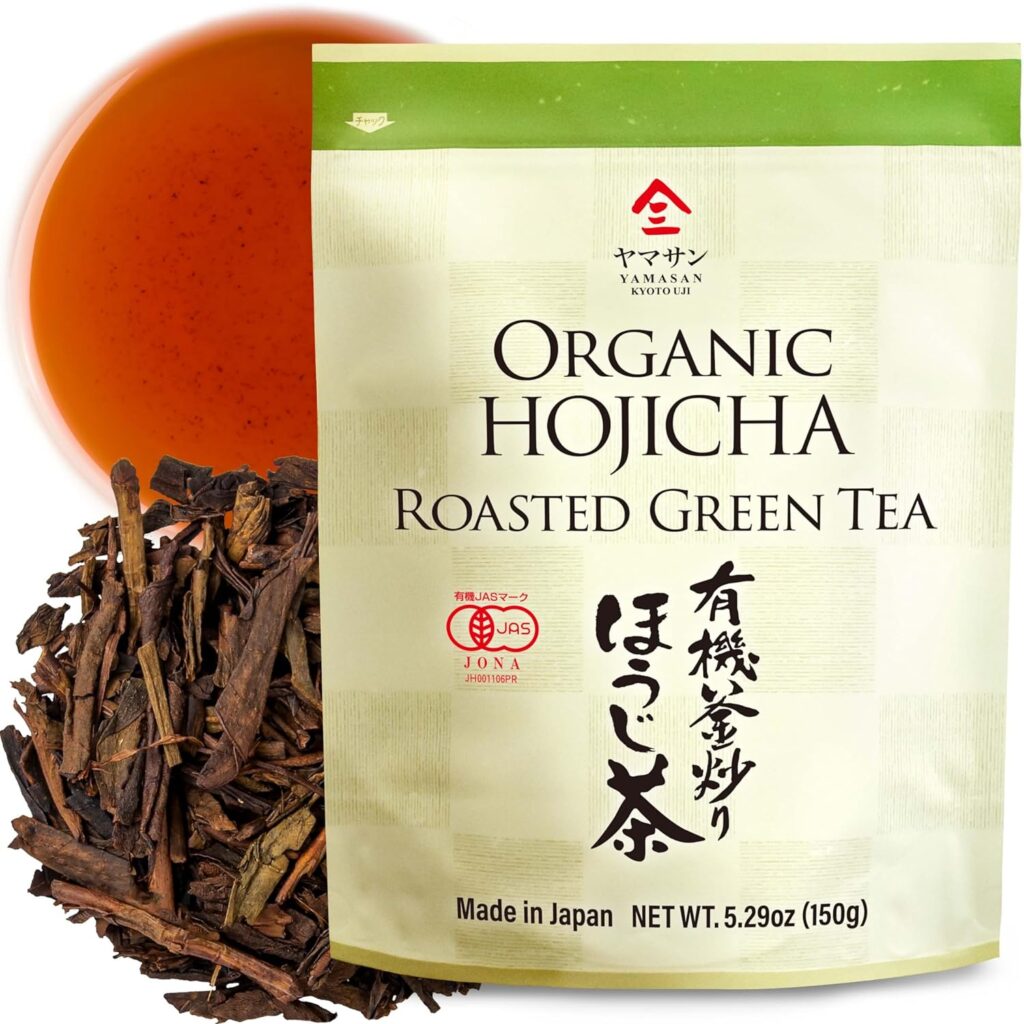
2. Hojicha
Hojicha is roasted, warm, and especially gentle in the evening. Its softer, toastier flavor makes it a lovely choice when you want tea to feel grounding rather than stimulating.
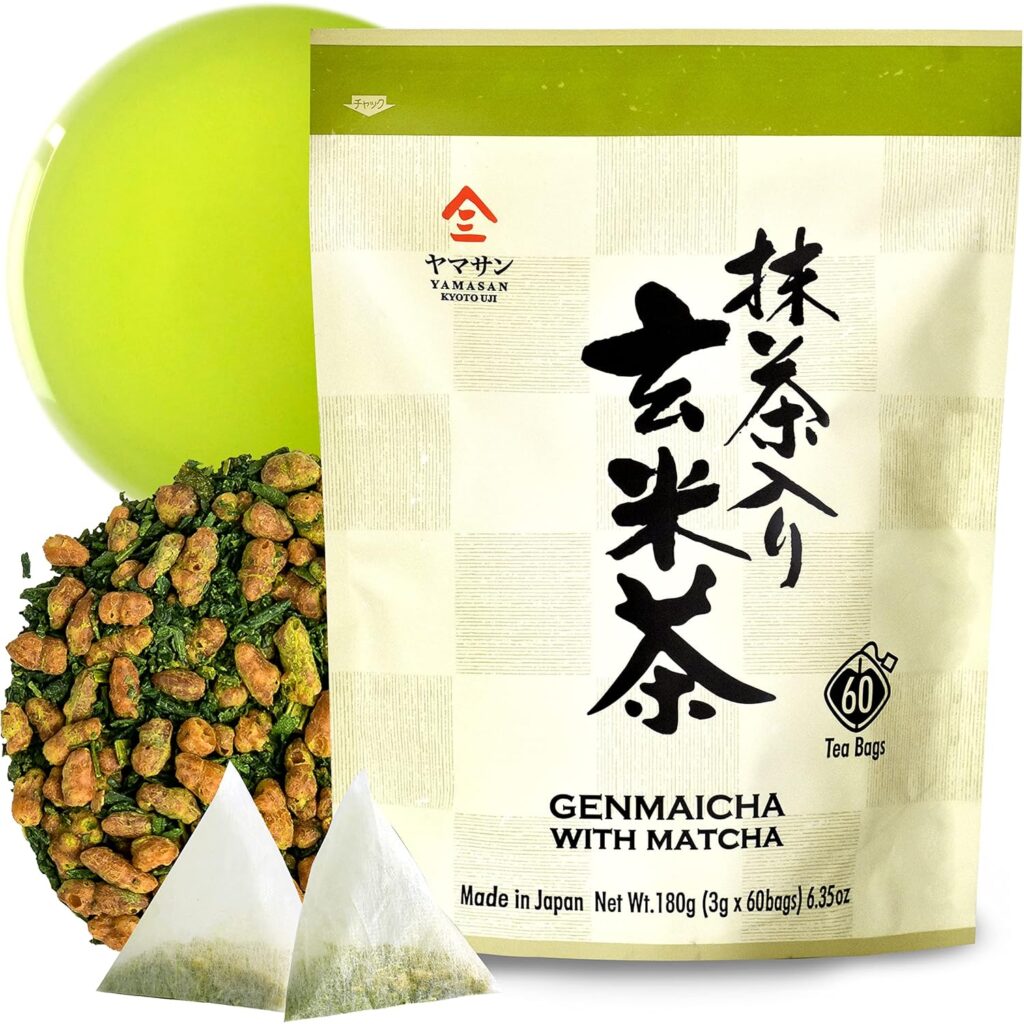
3. Genmaicha
Genmaicha combines green tea with roasted rice, giving it a mellow, approachable flavor. It pairs naturally with meals and is often one of the easiest Japanese teas for beginners to enjoy.
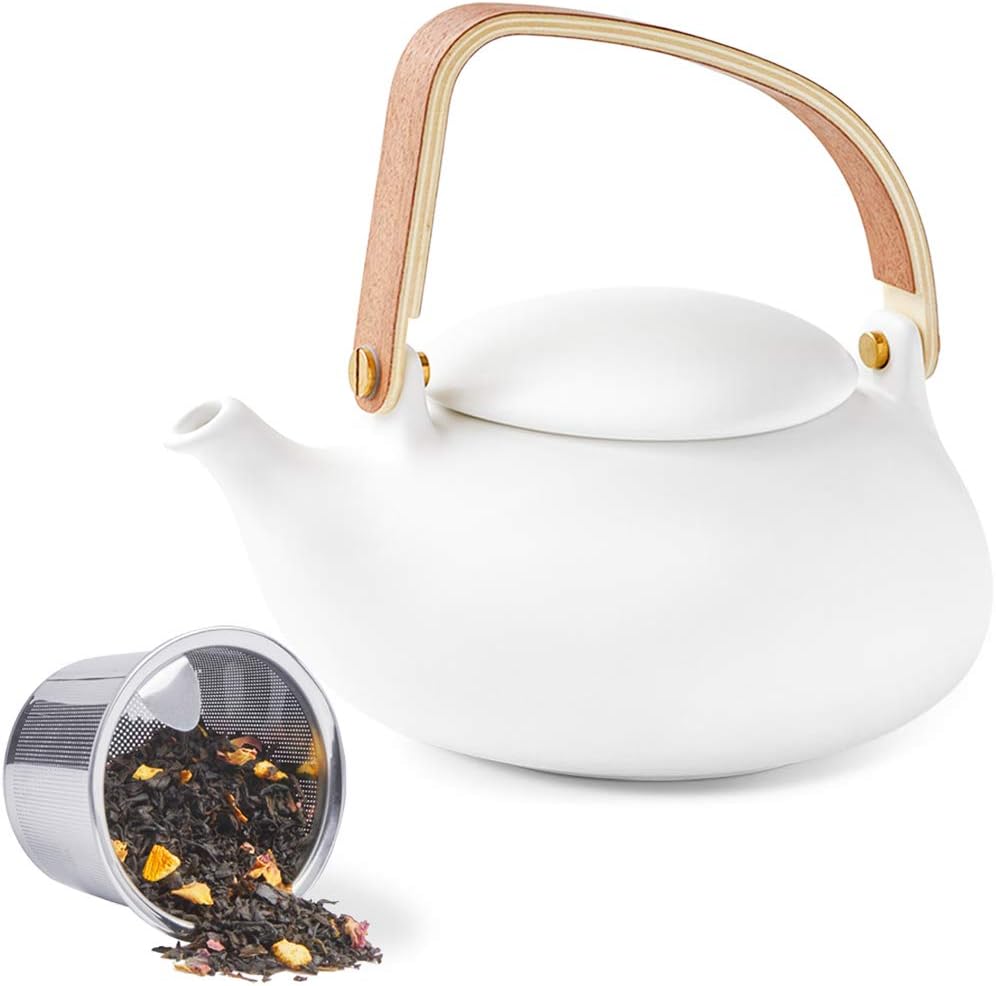
4. A Simple Japanese Teapot
A small teapot can make it easier to turn tea into a daily habit. A simple ceramic design with a built-in infuser feels practical, calm, and well suited to everyday Japanese tea.
A note on recommendations
We recommend Japanese teas that are easy to enjoy in everyday life. The goal is not to collect many teas at once, but to begin with a few that feel calm, practical, and sustainable in your own daily rhythm.


コメント