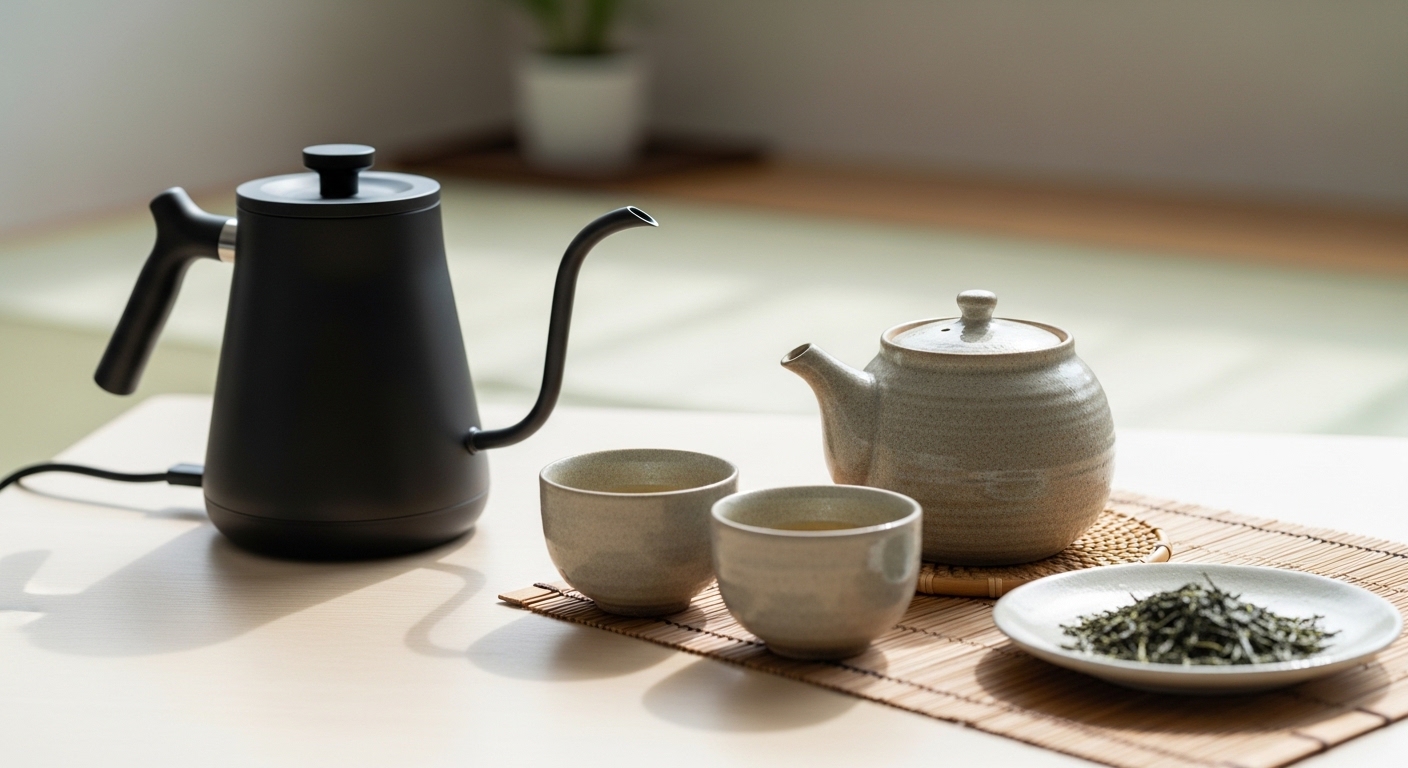
How Water Temperature Changes the Feeling of Tea at Home
One of the simplest ways to change tea at home is not to change the tea itself, but the water. The same leaves can feel softer, brighter, warmer, gentler, or more intense depending on temperature. Once you notice that, everyday tea becomes less about finding the one perfect tea and more about learning how to meet it a little differently.
That is one of the reasons I keep coming back to Japanese tea. Small changes matter. A cup of sencha can feel fresh and clean at one temperature, then sharper and less balanced at another. Hojicha can feel round and comforting almost effortlessly. Genmaicha can shift from gentle and easy to slightly more pronounced depending on how it is brewed.
None of this needs to become technical or obsessive. In fact, I think the value of water temperature is the opposite. It helps tea feel easier to live with, because you begin to understand how to make the cup suit the moment.
In this article
- Why water temperature changes the feeling of tea so much
- How greener and roasted Japanese teas respond differently
- Why lower temperatures often feel softer and more balanced
- When a temperature-controlled kettle actually makes sense
- A few simple tea basics that support a calmer brewing rhythm
- Why temperature matters more than many people expect
- Sencha often feels best with a gentler touch
- Hojicha is one of the easiest teas to brew
- Genmaicha often sits in the middle
- How the same tea can suit different moments
- When a temperature-controlled kettle makes sense
- Why I think this matters for everyday tea habits
- My own perspective on brewing tea more gently
- Recommended Tea Temperature Basics
- Final Thoughts
Why temperature matters more than many people expect
When tea tastes slightly off at home, people often assume the leaves themselves are the problem. Sometimes that is true, but often the issue is simpler. Water that is too hot or too cool can change the whole impression of the tea.
With Japanese teas especially, temperature shapes more than flavor. It changes the emotional tone of the cup. A gentler brew can feel more settled and clear, while a harsher one can feel more pointed or restless. That difference may sound abstract, but it becomes very obvious once tea is part of your weekly rhythm.
This is why I think water temperature matters so much for a calm tea habit. It is one of the easiest ways to make the tea you already have feel more balanced.
Key point
Water temperature does not just change taste. It changes how tea feels in the body and in the atmosphere of the moment.
Sencha often feels best with a gentler touch
Of the teas I drink regularly, sencha is probably the one that changes most noticeably with temperature. When brewed a little more gently, it often feels cleaner, softer, and more balanced. The green character still comes through, but without feeling too sharp.
When the water is too hot, sencha can become more intense than I want for ordinary daily life. Instead of feeling fresh and clear, it may feel a little stricter or more aggressive. That does not mean hotter water is always wrong. It simply creates a different cup.
For me, one of the pleasures of sencha is that it can feel quietly bright. Lower water temperatures often protect that quality beautifully.
Hojicha is one of the easiest teas to brew
Hojicha is much more forgiving, which is part of why it fits so naturally into daily life. Because it is roasted, it tends to feel warm, rounded, and comforting even when you are not especially precise.
This is one reason hojicha works so well for slower afternoons or evenings. It asks less of you. It still responds to temperature, of course, but usually in a gentler way than greener teas do.
If sencha teaches you to pay attention, hojicha reminds you that tea can also simply be easy.
A gentler approach
Not every tea needs the same level of precision. Some teas reward attention more strongly, while others support a calmer, more forgiving rhythm.
Genmaicha often sits in the middle
Genmaicha is one of the reasons I like keeping more than one tea at home. It has a middle quality that can feel especially useful in everyday life. The green tea element still responds to temperature, but the toasted rice gives it warmth and familiarity.
That makes it a very easy tea to live with. It can work with meals, quiet afternoons, or an ordinary tea break when you do not want to think too much about the cup. Temperature still matters, but genmaicha often remains approachable across a wider range.
This middle ground is part of what makes it such a steady weekly tea.
How the same tea can suit different moments
What I find most helpful about understanding water temperature is that it gives one tea more than one possible role. The same sencha can feel more delicate and quiet one day, then a little brighter and more direct another day. That flexibility is useful.
It means you do not always need to buy more tea to create variety. Sometimes you simply need a slightly different approach. In that way, temperature becomes part of the rhythm of tea at home rather than a technical detail.
That kind of flexibility feels very aligned with a Japanese-inspired way of living. Small adjustments, repeated gently, can change the atmosphere of daily life in meaningful ways.
When a temperature-controlled kettle makes sense
A temperature-controlled kettle is not essential for everyone. If tea is only an occasional drink in your home, it may be more tool than you need. But if you regularly drink Japanese tea, especially greener teas, it can become one of those quiet upgrades that you appreciate over and over again.
You drink green tea several times a week
The more often you brew sencha or other green teas, the more likely you are to notice the difference a steadier temperature makes.
You want less guesswork
Instead of waiting, cooling, and estimating, you can simply choose a range that feels right and return to it more easily.
You care about how a tea feels, not only how it tastes
This may be the biggest reason. A better-controlled kettle supports softer, calmer cups without making the process feel complicated.
You prefer gentle consistency
A good kettle is not about perfection. It is about removing a little friction from a habit you already value.
Key point
A temperature-controlled kettle makes the most sense when tea is already part of your life. It is not there to create a ritual from nothing, but to support one that already matters.
Why I think this matters for everyday tea habits
Tea habits last when they feel easy, not when they feel idealized. That is why I think temperature matters so much. It does not turn tea into a luxury performance. It makes the tea you already have easier to enjoy well.
Once that happens, tea tends to appear more often in daily life. A small morning cup feels more inviting. An afternoon break feels more satisfying. You begin to trust the habit because it works more consistently.
That is the kind of change I find most valuable: not a more dramatic tea routine, but a steadier one.
My own perspective on brewing tea more gently
What I like most about paying attention to temperature is that it makes tea feel more responsive. The cup becomes something you can guide a little, rather than something fixed. That makes the experience feel more human and more relaxed.
I also appreciate that this kind of adjustment stays very small. It does not require a new identity or a complicated hobby. It is just a quieter way to meet the tea that is already in the kitchen.
For me, that is exactly what a good home habit should be: simple enough to repeat, but meaningful enough to change the tone of the day.
Recommended Tea Temperature Basics
If you want to make everyday tea feel softer and more balanced, these are the kinds of teas and simple tools that make the most sense to me. The goal is not to create a perfect setup, but to support a tea rhythm that feels easy to return to.
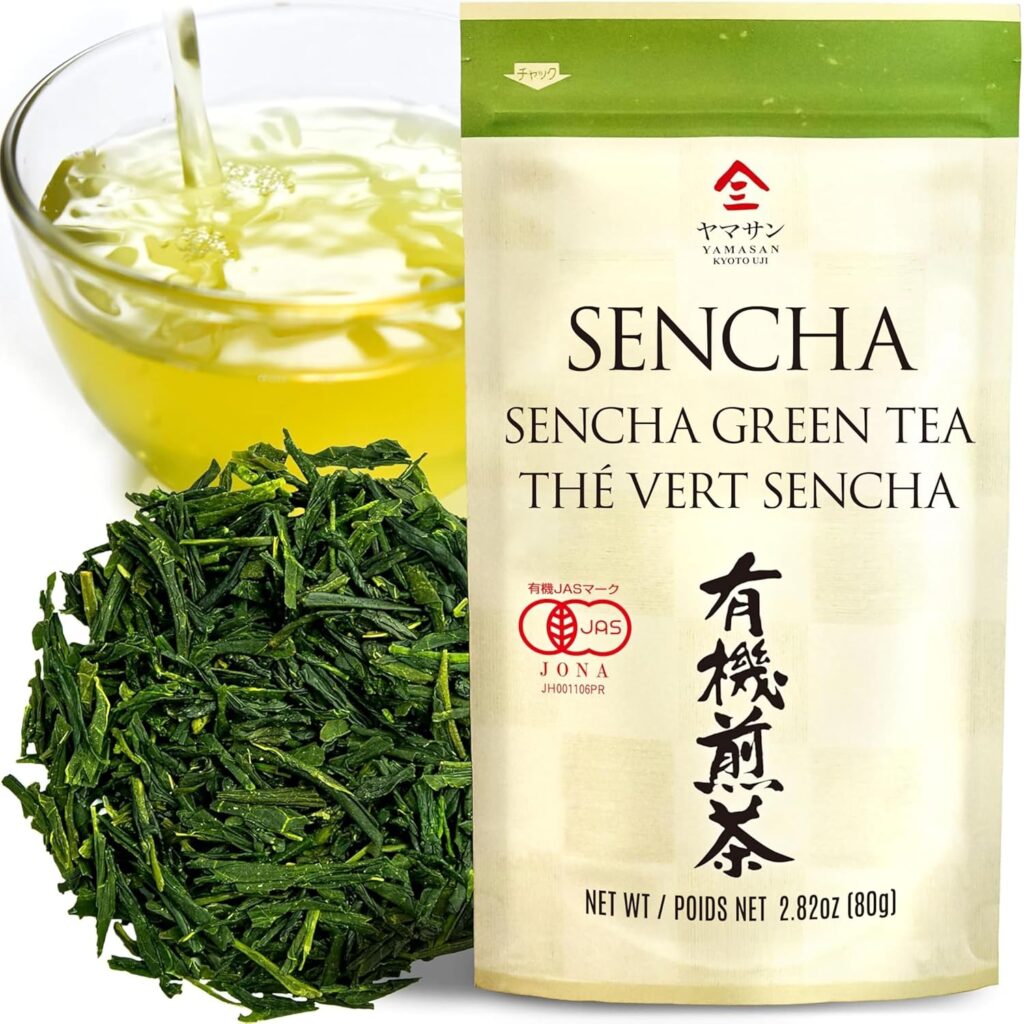
Sencha tea
A fresh green tea that shows very clearly how softer brewing temperatures can change the feeling of the cup.
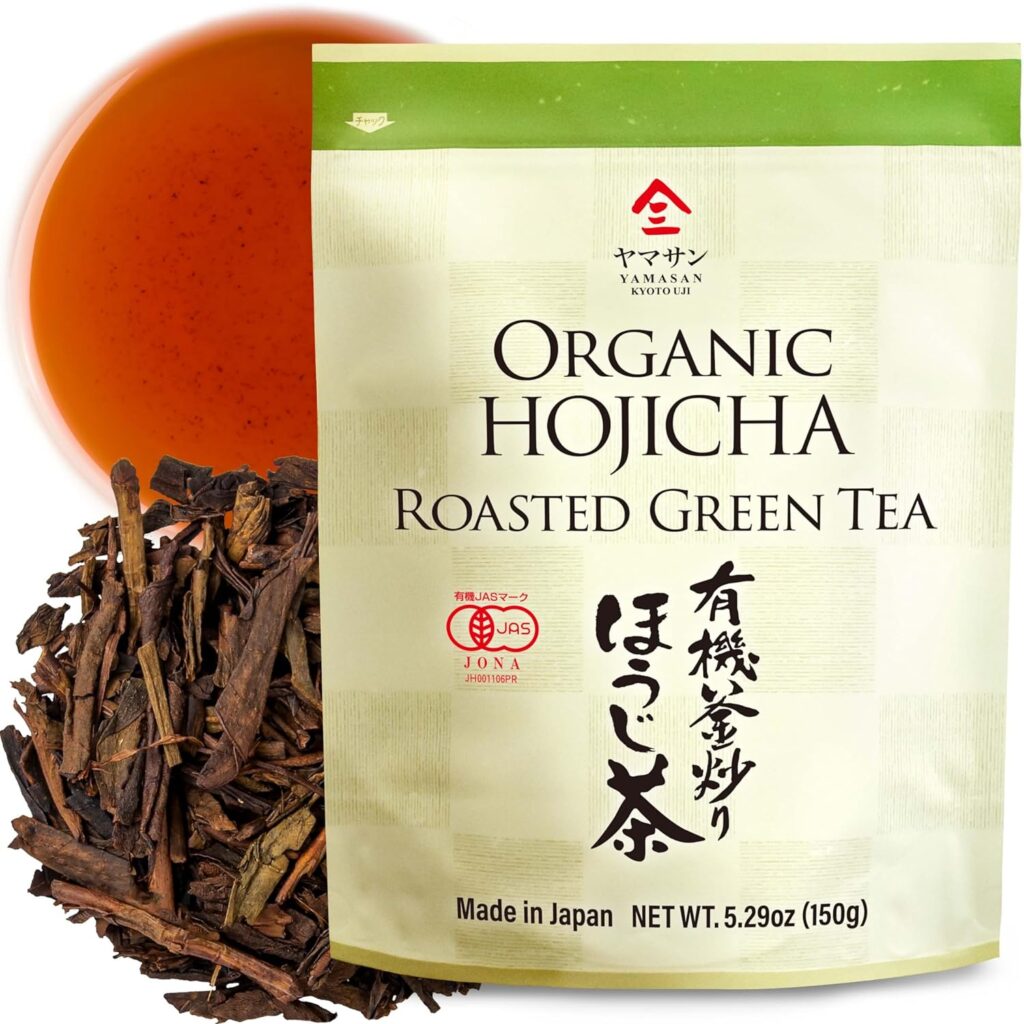
Hojicha tea
A more forgiving roasted tea that still feels warm and satisfying even when your brewing is simple and relaxed.
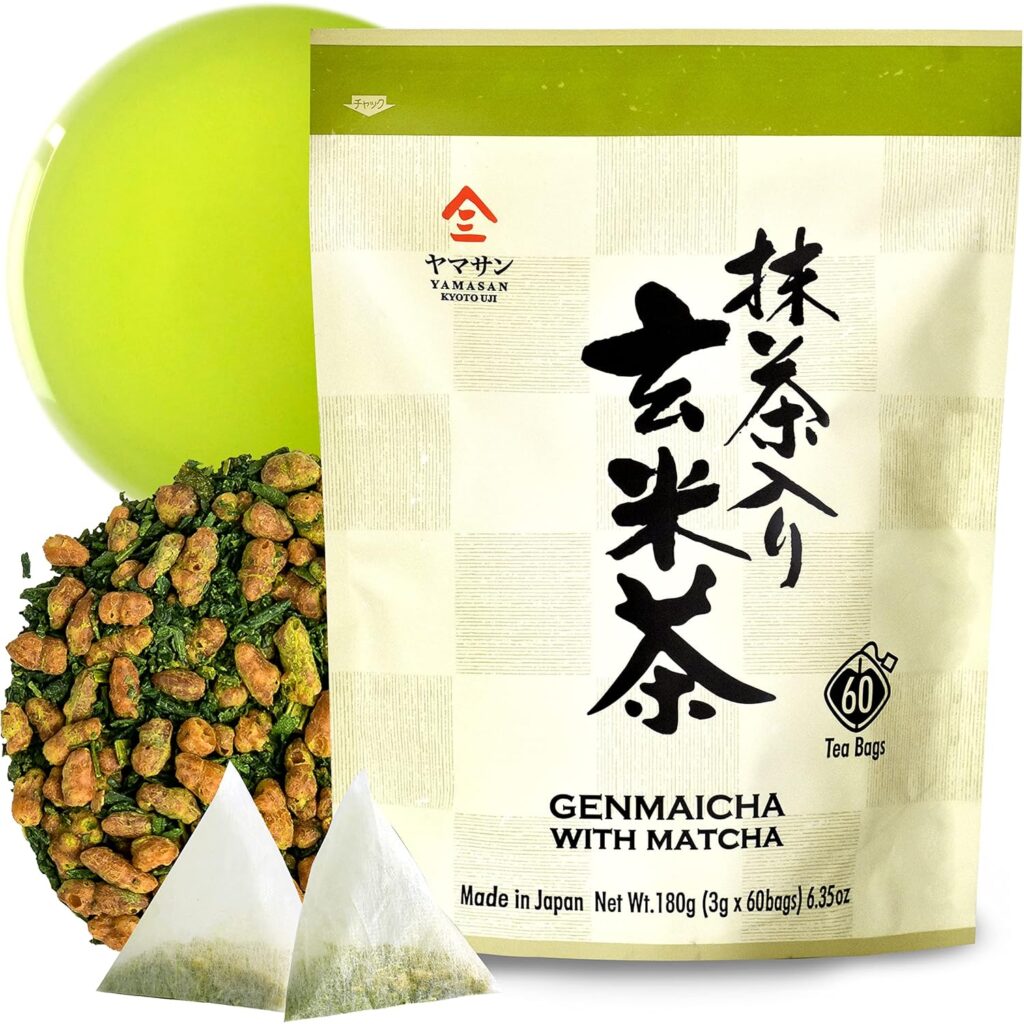
Genmaicha tea
An easy everyday tea that sits comfortably between green and roasted, making it a very natural part of ordinary meals and breaks.
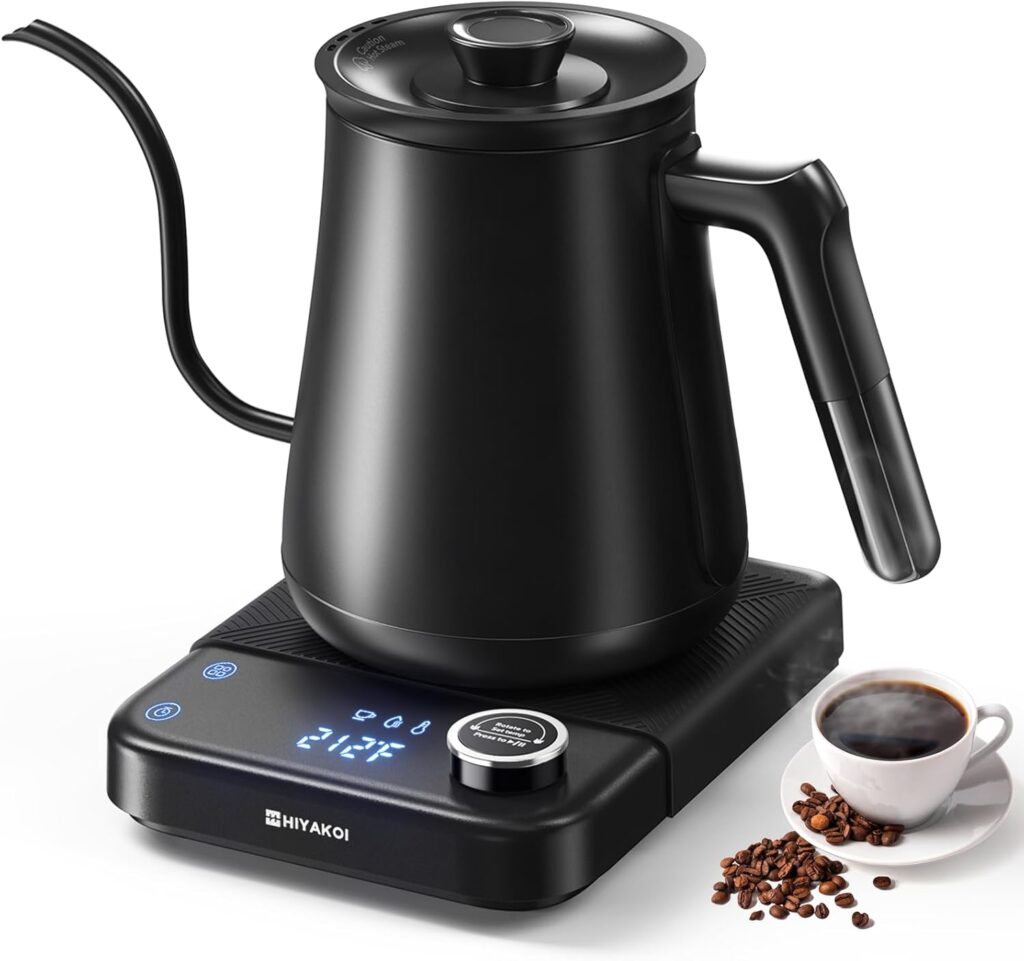
Temperature-controlled kettle
A quiet everyday upgrade if tea is already part of your routine and you want greener teas to feel more balanced with less guesswork.
A note on recommendations
I prefer to recommend only a small number of teas and tools that fit naturally into daily life. The goal is not to make tea feel technical, but to support a calmer brewing rhythm with a few thoughtful choices.
Final Thoughts
Water temperature may seem like a small detail, but small details are often what make a home habit feel easier and better. The same tea can feel clearer, softer, warmer, or more grounded depending on how you meet it.
That is why I think temperature matters. Not because tea needs to become complicated, but because a small adjustment can make the cup suit the moment more naturally. And that, in the end, is what makes a tea habit easier to keep.

コメント