Japanese Snacks That Feel More Balanced Than Ultra-Processed Treats
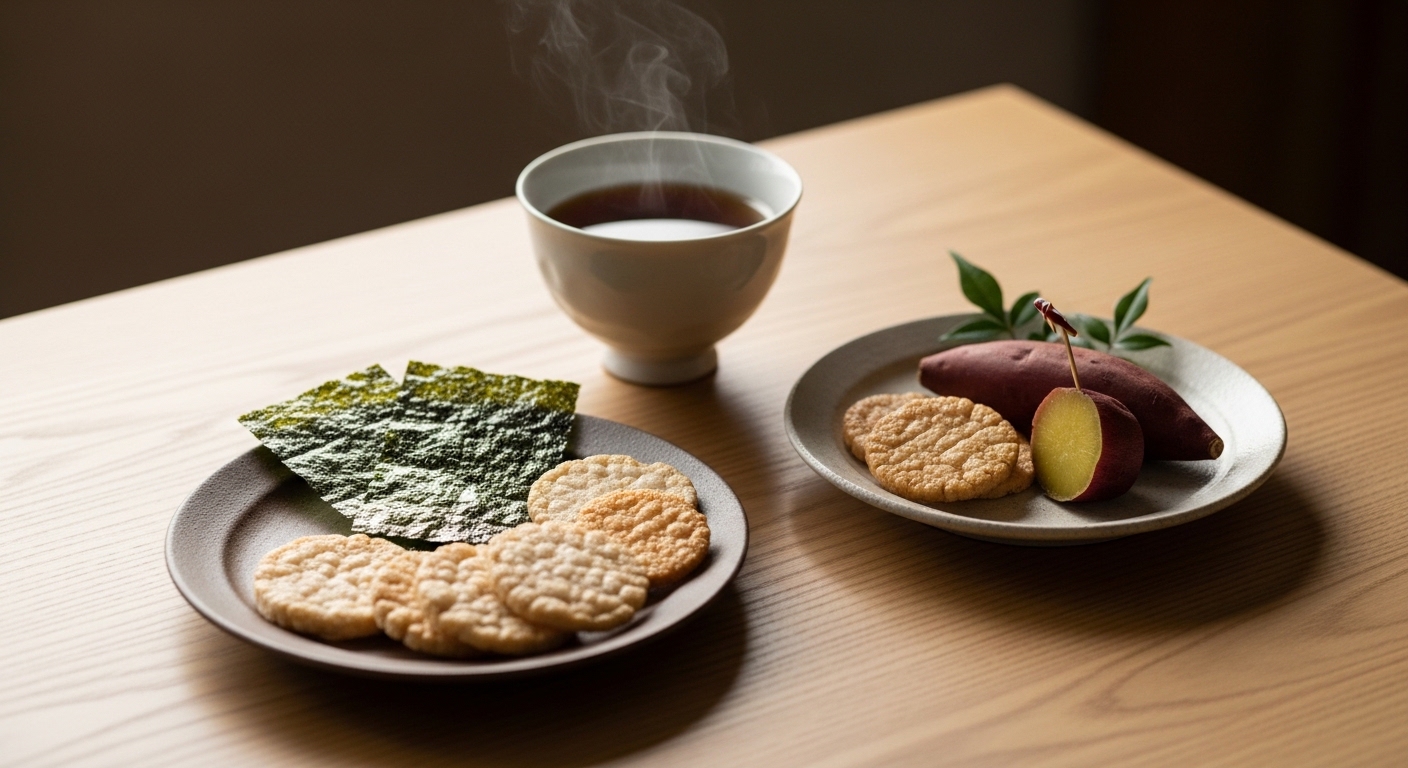
Not every sweet or savory snack needs to feel extreme, artificial, or overly stimulating. One of the quieter lessons in Japanese food culture is that small snacks can feel satisfying without becoming overwhelming. Roasted tea, rice crackers, seaweed, sweet potato, red bean, and lightly sweetened treats often create a gentler kind of pleasure.
Craving a snack in the afternoon does not mean you are doing something wrong. It often means you want a pause, a little comfort, or a small source of energy. The problem is not snacking itself, but the way many modern snacks are designed to feel hard to stop eating: intensely sweet, aggressively salty, highly processed, and disconnected from any real sense of nourishment.
A more balanced Japanese perspective does not ask you to eliminate snacks altogether. Instead, it suggests choosing snacks that feel calmer, more portion-friendly, and easier to enjoy without turning into a spiral. That may mean simpler ingredients, less extreme sweetness, more texture, or pairing a snack with tea so the experience slows down naturally.
In this article
- Why many modern snacks feel hard to stop eating
- What makes some Japanese-style snacks feel more balanced
- Examples of Japanese snacks that fit a calmer rhythm
- How to snack in a way that feels satisfying rather than chaotic
- A few gentle Japanese snack staples to begin with
- Why Some Snacks Feel So Difficult to Regulate
- What Makes a Japanese-Style Snack Feel Different?
- Japanese Snacks That Often Feel More Balanced
- Snacking for Comfort Without Chaos
- How to Build a More Balanced Snack Habit
- Do Japanese Snacks Need to Be “Healthy” to Be Useful?
- A Gentle Way to Begin
- Recommended Japanese Snacks to Explore
- Final Thoughts
Why Some Snacks Feel So Difficult to Regulate
Many ultra-processed snacks are designed for intensity. They combine refined starches, added sugars, oils, salt, and flavoring in ways that make them very easy to keep eating long after hunger has passed. They may deliver quick pleasure, but they often do so without much steadiness.
This can leave you feeling strangely unsatisfied. You may eat a lot, yet still want something more. Part of the issue is not only the ingredients themselves, but the speed of the experience. These snacks are often meant to be eaten mindlessly, quickly, and in large amounts.
A more balanced snack tends to work differently. It usually gives you a clearer sensory experience: the nuttiness of roasted grains, the plainness of rice, the savoriness of seaweed, the softness of sweet potato, or the gentle sweetness of red bean. These foods may not be engineered to feel addictive, but they can still feel deeply pleasant.
Key point
A snack feels more balanced when it is satisfying without being overwhelming, and when it can be enjoyed in a smaller, calmer portion.
What Makes a Japanese-Style Snack Feel Different?
Not every snack in Japan is healthy or minimal, of course. Convenience stores and packaged sweets exist everywhere. But many traditional or everyday Japanese snacks tend to feel a little less extreme in structure. They often rely on simpler ingredients, smaller portions, roasted or savory flavors, and a stronger connection to tea or mealtime rhythm.
For example, rice crackers can feel more grounded than heavily coated chips. Roasted seaweed offers salt and crunch without the same heaviness. Sweet potato snacks can satisfy a sweet craving while still feeling like food. Red bean-based sweets often feel gentler than desserts built on very high sweetness and heavy frosting.
This does not mean Japanese snacks are automatically superior. It simply means some of them offer a useful alternative: pleasure with a little more restraint built in.
Portion and pace matter
One reason these snacks may feel easier to handle is that they are often consumed in smaller amounts. A few crackers with tea, one small sweet potato treat, or a modest bean-based sweet can feel complete without pushing toward excess.
Tea changes the experience
Japanese snacks are often paired with tea, and this matters more than it seems. Tea slows the rhythm of eating. It turns a snack into a moment instead of an impulse. This can make even a small portion feel more satisfying.
Key point
Japanese-style snacking often feels calmer not because it is strict, but because portion, flavor, and rhythm are working together.
Japanese Snacks That Often Feel More Balanced
There is no single ideal snack, but some Japanese staples are easier to fit into a steadier daily rhythm than highly processed sweets or chips.
Rice crackers
Senbei and other rice crackers can offer crunch and savoriness in a simpler form. Some are seasoned with soy sauce, seaweed, or a little sesame. They can still be salty, so balance matters, but they often feel more defined and portion-friendly than large bags of ultra-processed snack foods.
Roasted seaweed
Seaweed snacks are light, savory, and easy to portion. They are not meant to replace a full meal, but they can be a useful answer when you want something crisp and salty without immediately turning to heavier processed snacks.
Sweet potato snacks
Japanese sweet potato has a gentle sweetness and a naturally comforting texture. Whether roasted, dried, or turned into a simple snack, it often feels more grounding than candy or heavily processed baked sweets.
Red bean sweets
Azuki-based treats can satisfy a sweet craving in a softer way. Their sweetness often feels more rounded and less aggressive, especially when the portion stays small and the sweet is enjoyed with tea.
Roasted tea and a small sweet
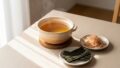
Sometimes the snack is not one packaged item, but a pairing. Hojicha or genmaicha with one small rice cracker or a modest sweet can create exactly the pause you needed, without turning the experience into an uncontrolled binge.
Snacking for Comfort Without Chaos
One of the most useful things about a Japanese perspective on snacking is that it does not treat comfort as the enemy. A snack can be there to comfort you. It can be warm, a little sweet, a little salty, or quietly nostalgic. The difference is that comfort does not have to mean losing all sense of balance.
If a snack is chosen more deliberately, portioned simply, and paired with tea or a small pause, it often feels different in the body and mind. It becomes a moment of care rather than a spiral of overstimulation.
This is especially helpful for people who notice stronger sugar cravings when stressed or tired. The goal is not to become perfect. It is to build a snack rhythm that feels calmer and easier to recover from.
Key point
A balanced snack is not about denial. It is about choosing something pleasant enough to satisfy you, but gentle enough not to pull you into excess.
How to Build a More Balanced Snack Habit
You do not need to replace everything in your kitchen at once. A few small shifts can already change the tone of snacking.
1. Keep one savory option and one gently sweet option
For example, seaweed or rice crackers on one side, and a simple sweet potato or red bean-based snack on the other. This makes it easier to respond to different cravings without relying on highly processed defaults.
2. Pair snacks with tea
This is one of the simplest and most effective changes. Tea slows things down, adds ritual, and can make a small portion feel more intentional.
3. Choose snacks with a clear identity
A snack based on rice, seaweed, beans, or sweet potato often feels more understandable than one built from dozens of processed components. Simpler structure does not guarantee perfect nutrition, but it often helps with satisfaction.
4. Let the snack be small
A calmer snack is often a smaller one. The point is not to impress yourself with restraint, but to notice that sometimes a modest portion is genuinely enough when the experience is more grounded.
Do Japanese Snacks Need to Be “Healthy” to Be Useful?
Not necessarily. A snack does not need to be a health food to fit into a better rhythm. The more useful question is whether it feels proportionate, satisfying, and easy to stop eating. Some Japanese snacks are clearly indulgent, and that is fine. But many sit in a helpful middle space: not austere, not extreme, simply calmer.
This middle space is often what people are really looking for. Not total restriction, and not chaotic grazing either. Just a way to enjoy food between meals that feels a little more stable.
A Gentle Way to Begin
If you want to experiment with a more balanced snack rhythm, start small. Keep roasted seaweed, a simple rice cracker, or one Japanese tea you enjoy. Try pairing one snack with a short tea break in the afternoon. Notice whether the experience feels different from grabbing something highly processed and eating it quickly.
You do not need to turn snacks into a project. The point is simply to make them a little less noisy and a little more satisfying.
Recommended Japanese Snacks to Explore
These are a few gentle snack staples that can help you build a calmer, more balanced snack rhythm at home.
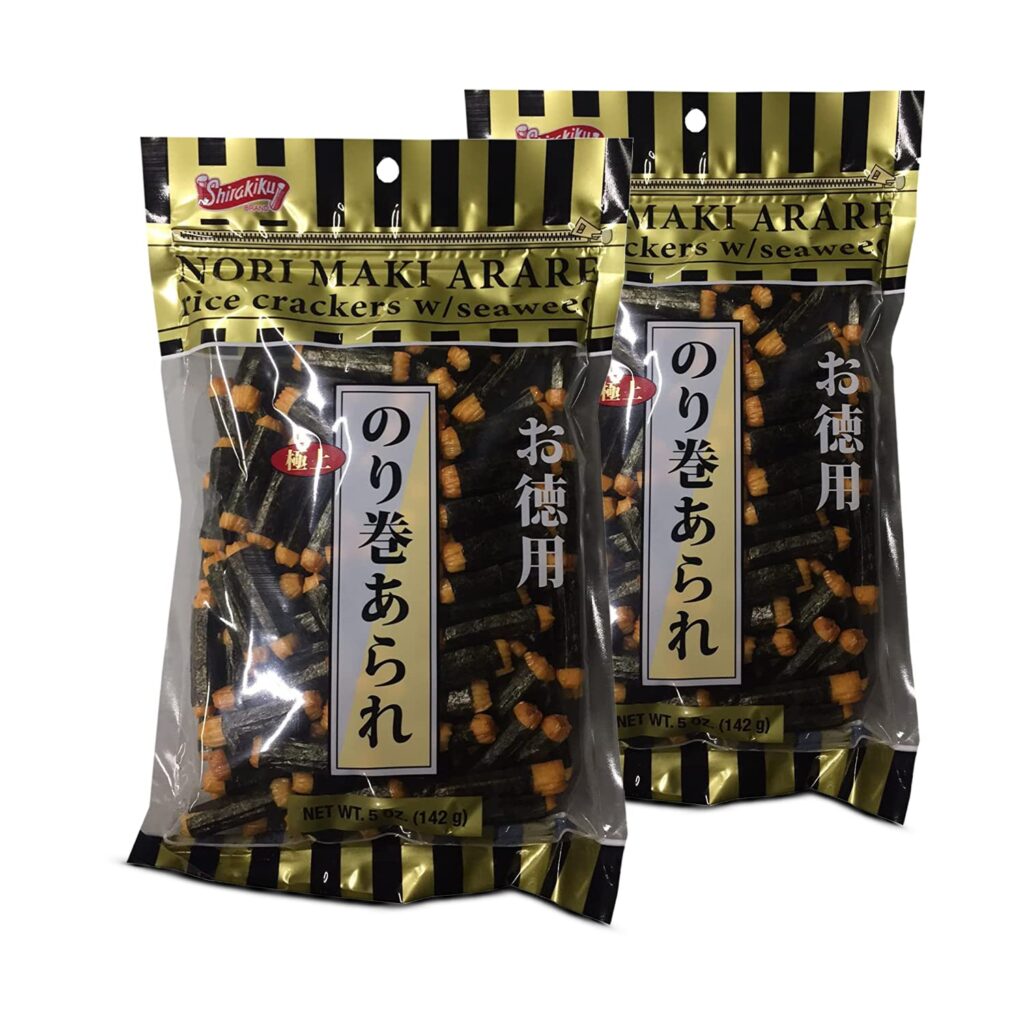
Japanese Rice Crackers
A savory, portion-friendly snack that can feel calmer and more structured than heavily processed chips.

Roasted Seaweed Snacks
A light savory option for moments when you want crunch and salt without a heavier processed snack.
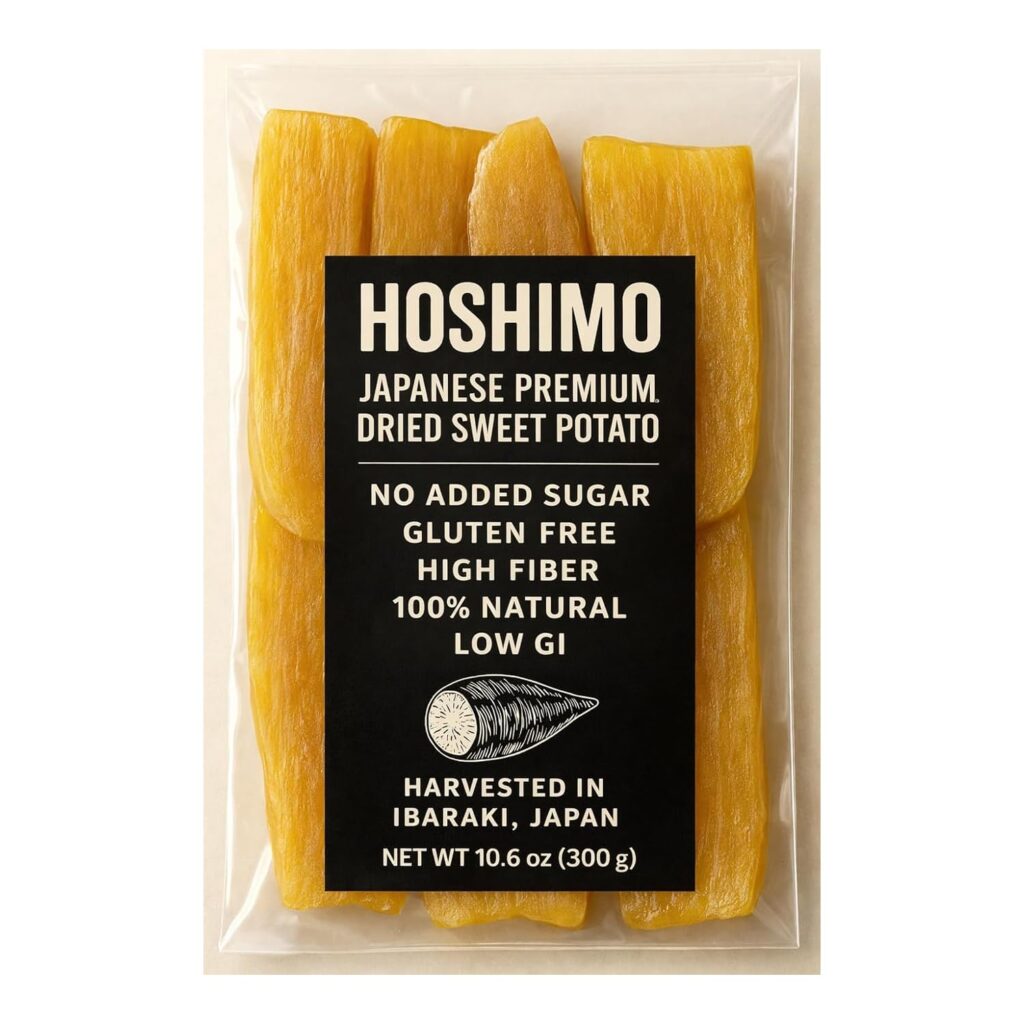
Japanese Sweet Potato Snacks
A gently sweet option that feels more grounding than candy and fits naturally into a slower tea break.
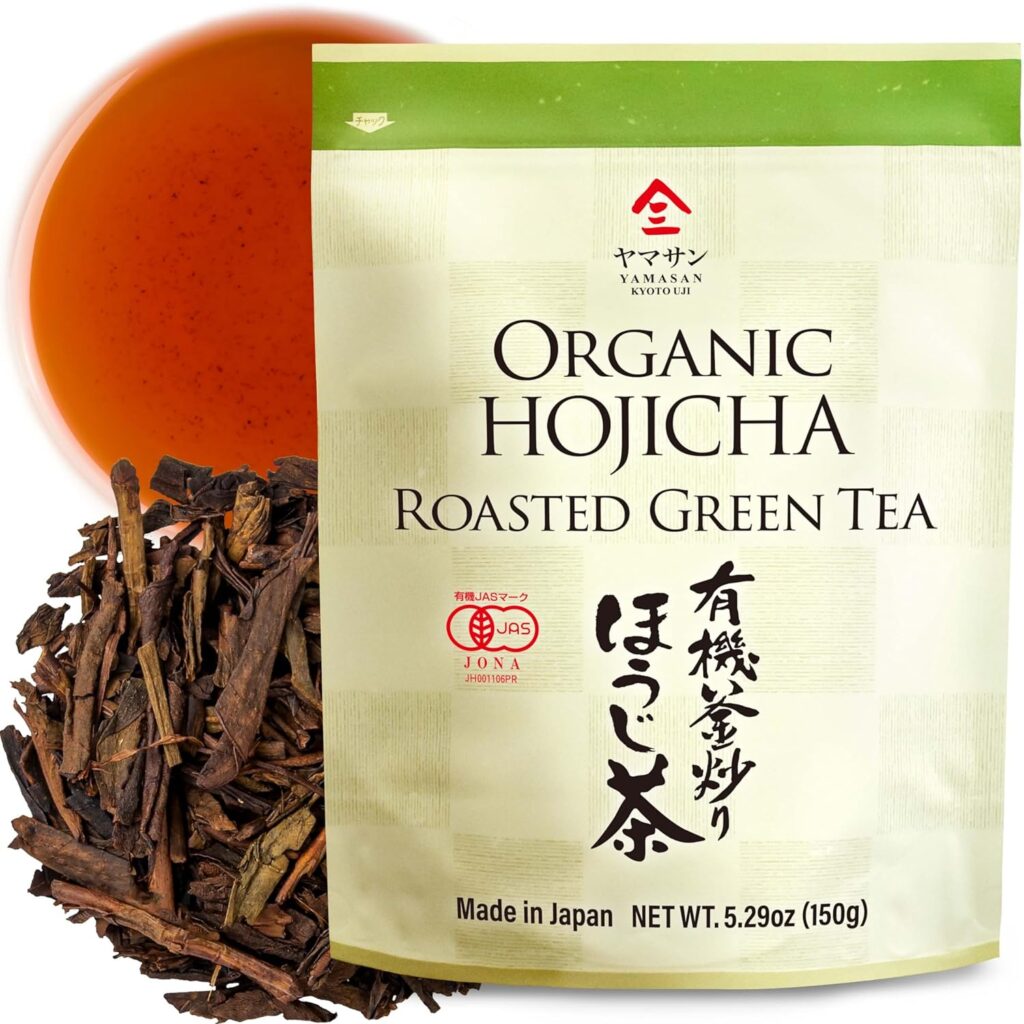
Hojicha or Genmaicha Tea
A warm tea pairing that helps turn a snack into a calmer, more intentional pause.
A note on recommendations
These suggestions are not meant to turn snacking into a set of rules. They are simply a few gentle alternatives that may feel more balanced than ultra-processed defaults.
Final Thoughts
A Japanese-style snack is not automatically healthier, and it does not need to be ideal to be useful. What matters is the feeling it creates. When a snack is smaller, calmer, and easier to pair with tea and pause, it often becomes more satisfying in a deeper way.
This is one of the quieter lessons in Japanese food culture: balance does not always come from restriction. Sometimes it comes from choosing foods that are simply less extreme and more grounded in ordinary ingredients and everyday rhythm.
If you want a more stable relationship with snacks, this is a gentle place to begin.
Related reading on The Zen Longevity
- Sugar Cravings and Aging: A More Balanced Japanese Perspective
- Japanese Pantry Essentials for a Calm, Healthy Kitchen
- Is Green Tea Good for Longevity? A Gentle Guide to Everyday Japanese Tea Habits
- Japanese Fermented Foods for Gut Health and Healthy Aging
- The Japanese Longevity Diet: Principles Behind Everyday Healthy Aging

コメント