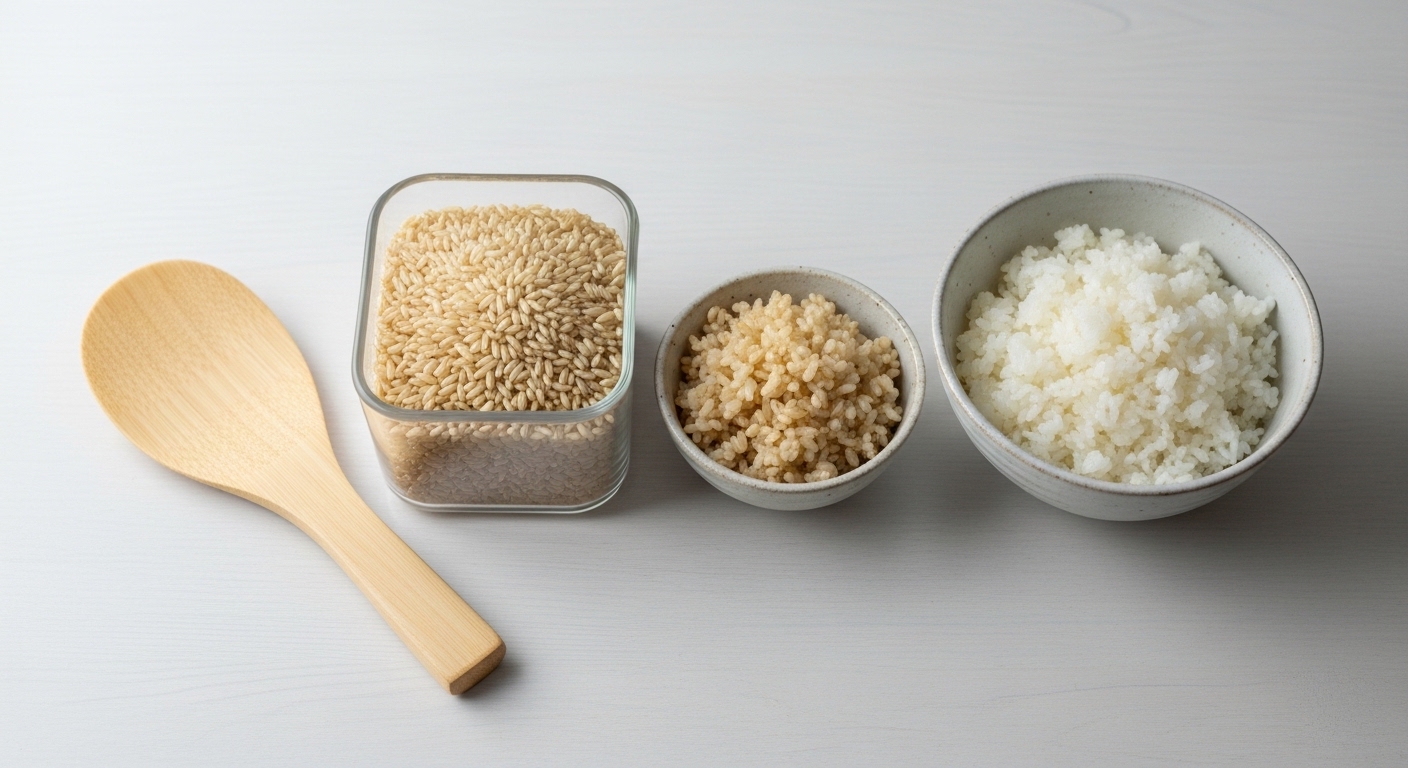
A Japanese Perspective on Better Rice at Home: Fresh Milling, Simplicity, and Everyday Meals
Rice is such an ordinary part of daily life in Japan that it is easy to overlook how much it shapes the feeling of a meal. But better rice at home is not usually about perfection, expensive restaurant techniques, or turning dinner into a project. More often, it comes from a few quiet choices: fresher rice, simpler preparation, and tools that make everyday cooking feel calmer and more natural.
In many Japanese homes, rice is not just a side dish. It is the steady center of the table. It supports miso soup, small vegetable dishes, grilled fish, pickles, and simple proteins without needing to dominate the meal. When the rice itself feels clean, fragrant, and satisfying, the whole meal often feels more grounded.
That is why I keep coming back to rice as one of the simplest places to improve everyday eating. Not in a dramatic way, and not in a “health hack” way. Just as a calmer standard for home life.
In this article
- Why rice holds such an important place in Japanese everyday meals
- What makes rice feel better at home, beyond brand names or trends
- How fresh milling changes flavor, texture, and the feeling of the meal
- The gentle role of tools like a rice mill, rice pot, and storage container
- Simple ways to build a more thoughtful rice habit at home
- Why rice matters so much in a Japanese home meal
- Better rice is often about freshness, not complexity
- The quiet appeal of fresh milling at home
- White rice, brown rice, and lightly milled rice each have a place
- Why simple rice tools can change the feeling of a kitchen
- Rice and longevity: a calmer way to think about it
- How I think about better rice at home
- Simple ways to build a better rice habit
- Recommended Better Rice at Home Basics
- Final Thoughts
Why rice matters so much in a Japanese home meal
One of the quiet strengths of Japanese home cooking is that the meal does not always depend on a single dramatic centerpiece. Instead, many meals are built around balance. Rice offers that balance. It brings softness, steadiness, and a kind of emotional familiarity that is hard to replace with bread, cereal, or heavily processed convenience foods.
When people talk about the Japanese diet, they often mention vegetables, fish, fermented foods, or green tea. Those things matter, of course. But the texture of everyday eating is also shaped by rice: warm, plain, dependable rice that helps simpler dishes feel complete.
At home, good rice can make modest meals feel abundant. A bowl of rice with miso soup, pickles, and one or two side dishes may look minimal, but it can still feel deeply satisfying. That sense of enoughness is part of what makes Japanese-style eating feel sustainable over time.
Key point
Better rice does not make a meal more impressive. It makes a meal feel more settled, complete, and quietly satisfying.
Better rice is often about freshness, not complexity
Many people assume that “better rice” means searching for a rare variety or buying the most expensive bag available. But in practice, the feeling of good rice at home often comes from something simpler: freshness.
Rice changes over time. Even when stored carefully, aroma and flavor gradually soften. This is one reason freshly milled rice can feel surprisingly alive compared with rice that has been sitting on a shelf for a long time after polishing. The difference is not flashy. It is subtle, but very easy to notice once it becomes part of your routine.
Freshness also changes the relationship you have with the ingredient. Instead of buying rice as a fully finished product and forgetting about it, you begin to treat it a little more like coffee beans, tea leaves, or fresh produce. You start paying attention to timing, storage, and small preparation choices. That attention itself often changes the atmosphere of cooking.
The quiet appeal of fresh milling at home
In my own kitchen, one of the choices that has changed the everyday meal most is starting with brown rice and milling it at home. Not every day has to be elaborate, and I do not think everyone needs to turn rice into a ritual. But home milling adds a useful middle ground between convenience and care.
Freshly milled rice tends to have a clearer fragrance and a cleaner, more vivid taste. It can also make it easier to choose the degree of polishing that suits your own table. Some days, fully white rice feels right. Other times, lightly milled rice or a seven-bu style rice feels like a gentle compromise between softness and substance.
This flexibility is part of the appeal. It lets rice become something adjustable rather than fixed. And because rice is such a frequent part of the meal, even a small improvement there can quietly shape the whole week.
Why fresh milling feels different
The difference is not only nutritional or technical. It is sensory. Fresh milling changes smell, texture, and the way steam rises from the bowl. It also changes the feeling of preparation. You become more aware that rice is a whole grain that has been handled with care, not just a generic white staple.
For people who want a gentler, more intentional way of eating at home, this can be surprisingly meaningful. It is a small act, but it shifts the standard of the kitchen.
A gentler approach
Fresh milling is not about making rice fussy. It is about bringing one everyday staple a little closer to its natural state and timing.
White rice, brown rice, and lightly milled rice each have a place
I do not think there is one “correct” kind of rice for every person or every meal. In a calm kitchen, it is often more useful to think in terms of what fits daily life best.
White rice is soft, easy to pair with many dishes, and deeply familiar in Japanese meals. Brown rice can feel fuller and more robust, though some people find it heavier or more demanding in texture. Lightly milled rice sits somewhere in between, which is one reason it appeals to many people who want a middle path.
This kind of flexibility matters more than food ideology. A sustainable home rhythm usually comes from choosing what you can return to comfortably. Rice should support the meal, not turn into a source of pressure.
Why simple rice tools can change the feeling of a kitchen
When I think about kitchen tools worth keeping, I am less interested in gadget culture and more interested in objects that make ordinary habits feel easier and better. Rice is a good example of that.
A few tools can genuinely improve the rhythm around rice at home:
1. A home rice mill
A compact home rice mill makes it possible to buy brown rice and mill only what you need. This supports freshness and gives you more control over how polished you want the rice to be. It is one of the rare appliances that can quietly change a staple you eat again and again.
2. A donabe or rice pot
A clay pot or dedicated rice pot does not need to be an everyday requirement, but it can change the mood of a meal. Rice cooked this way often feels softer, more aromatic, and more present. Even when the difference is subtle, the meal itself can feel more cared for.
3. A good rice storage container
This is less glamorous, but arguably just as important. Rice keeps better when it is stored in a clean, well-sealed container away from heat and humidity. If rice is central to the home kitchen, storage is part of respecting the ingredient.
Key point
The best kitchen tools are not the ones that impress people. They are the ones that quietly improve something you already do all the time.
Rice and longevity: a calmer way to think about it
Because this site is about longevity, it makes sense to ask where rice fits into that conversation. I think the healthiest way to answer is gently.
Rice on its own is not a miracle food. But in a Japanese-style meal pattern, it often supports something that matters: regularity, simplicity, and less dependence on ultra-processed foods. A bowl of rice beside soup, vegetables, beans, fish, tofu, or pickles can make a meal feel structured without becoming complicated.
That structure is part of healthy aging for many people. Not because one ingredient solves everything, but because calm repetition is easier to live with than constant dietary reinvention.
In other words, rice can be part of a steadier eating rhythm. And that rhythm may matter more in daily life than chasing intense nutritional perfection.
How I think about better rice at home
In my own kitchen, I tend to prefer lighter, cleaner-tasting rice and a meal structure that does not feel too heavy. I like the idea of starting with good brown rice, milling it at home, and choosing the finish depending on the season, the side dishes, and how I want the meal to feel that day.
I do not see this as optimization for its own sake. I see it as a way of giving one of the most ordinary parts of the meal a little more care. That care tends to ripple outward. Soup feels more intentional. Pickles make more sense. A simple protein feels enough. Even a modest meal can feel complete.
That is why rice is such an important starting point for a Japanese-inspired kitchen. It is not dramatic. It is foundational.
Simple ways to build a better rice habit
If you want to bring this into your own kitchen, it does not need to happen all at once. Start small.
Buy rice more intentionally
Instead of treating rice as an afterthought, choose a rice you would genuinely want to eat often. That may be white rice, brown rice, or something in between.
Pay attention to storage
Even a basic upgrade in storage can improve the everyday experience of using rice at home.
Try home milling if rice is already central to your meals
If you eat rice frequently, a home rice mill may be more meaningful than many trend-driven kitchen gadgets.
Use a quieter cooking method once in a while
A donabe or rice pot can be a lovely way to reconnect with the ingredient, even if you still use a rice cooker most of the time.
Let rice support the meal, not dominate it
The Japanese approach is often less about intensifying one food and more about creating balance around it.
Recommended Better Rice at Home Basics
If you want to explore this way of eating a little more deeply, these are the kinds of tools and staples that make sense to me. Not because you need all of them, but because each one can quietly improve the everyday meal.
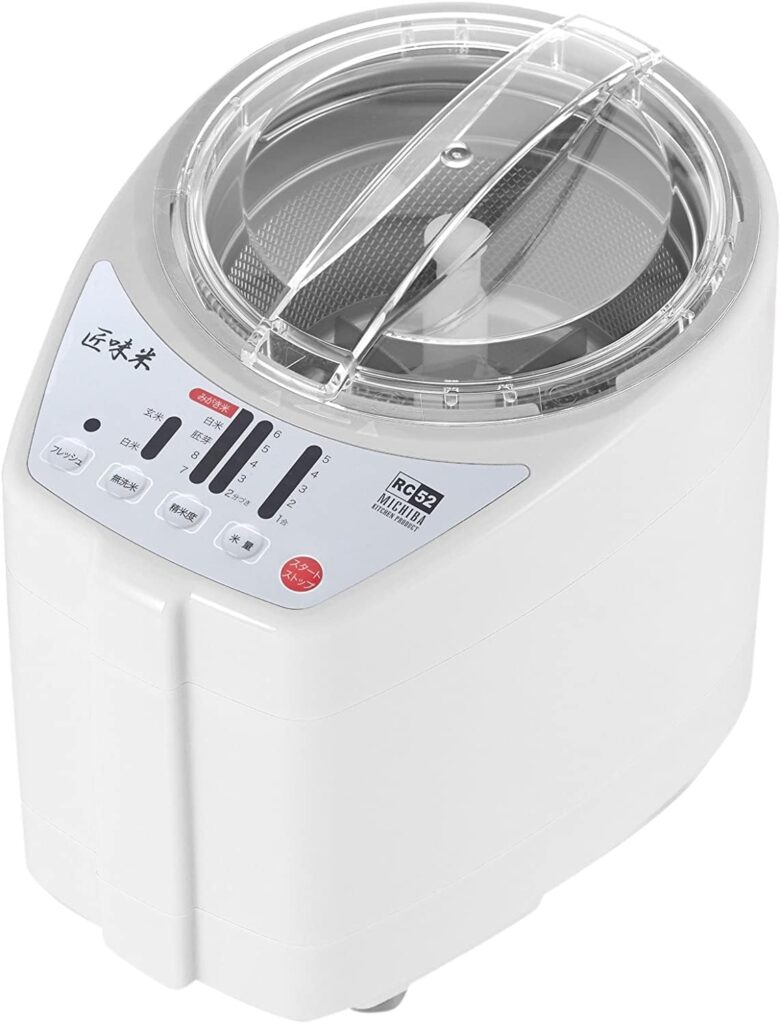
Compact home rice mill
A practical way to start with brown rice and mill only what you need. Especially useful if rice is already part of your weekly routine.
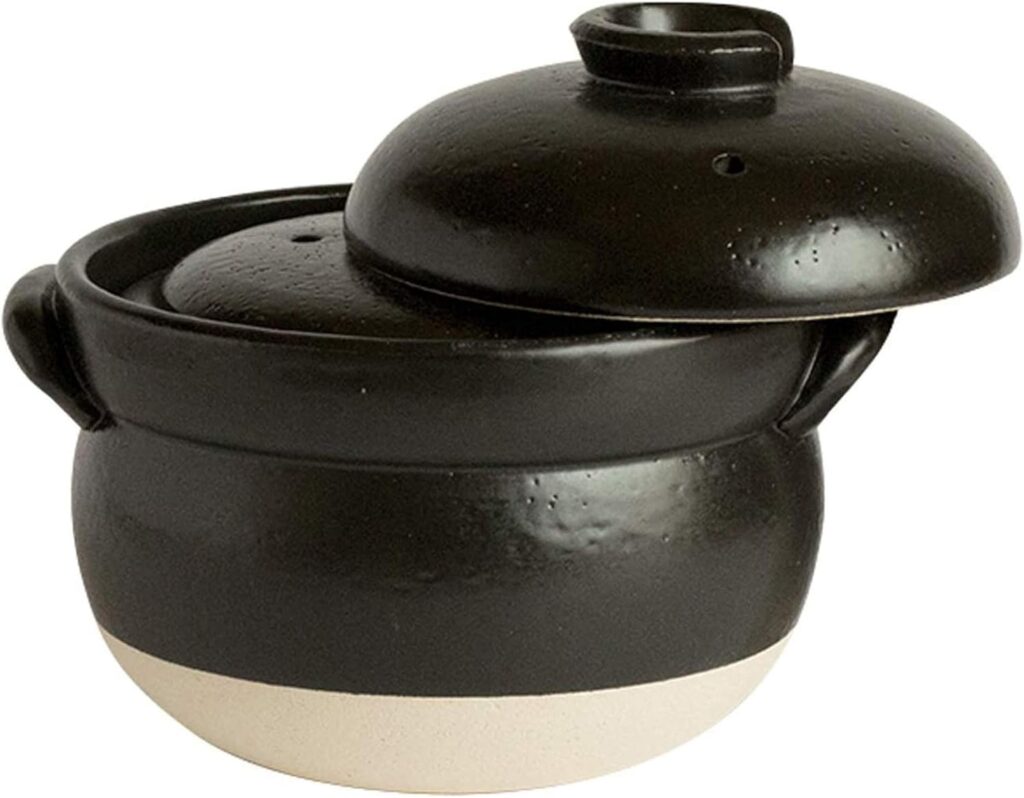
Japanese donabe or rice pot
A beautiful option for slower evenings or weekend meals, when you want rice to feel a little more fragrant and intentional.
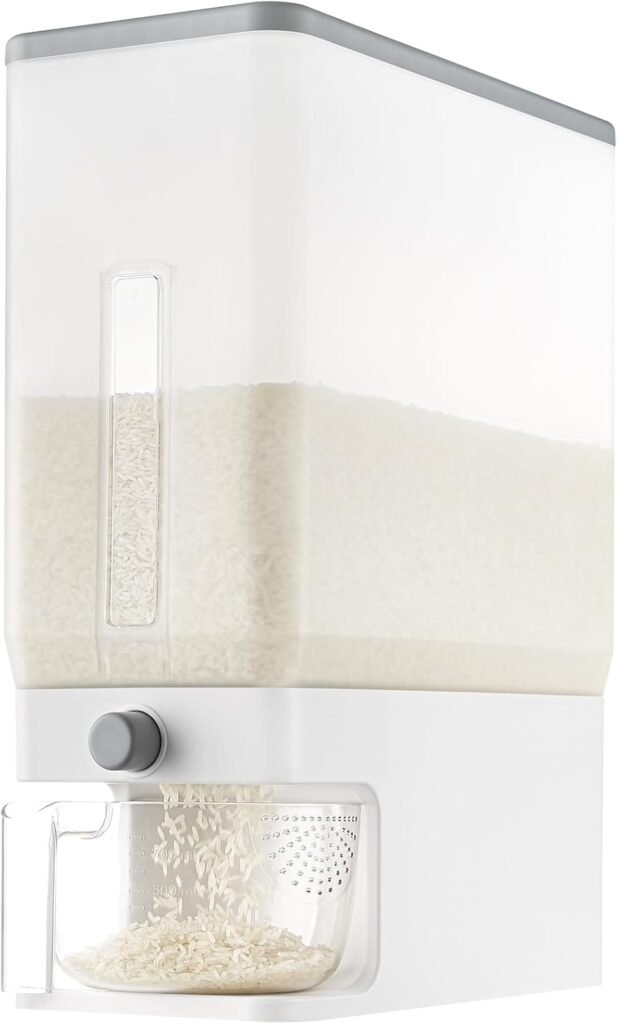
Rice storage container
Not dramatic, but very worth it. Good storage supports freshness and makes everyday cooking feel more orderly.
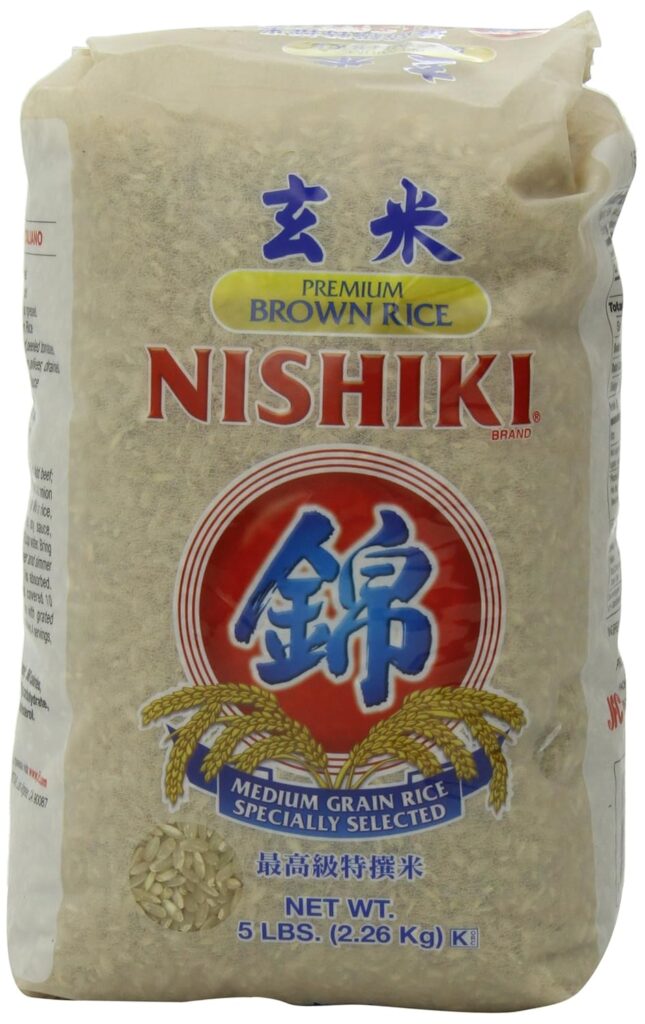
Japanese brown rice
A good starting point if you want to try home milling or keep more flexibility in how polished your everyday rice will be.
A note on recommendations
I prefer to recommend only a small number of tools and staples that fit naturally into a calm home kitchen. The goal is not to buy more for the sake of it, but to choose a few things that quietly support better everyday habits.
Final Thoughts
Better rice at home is not really about turning an ordinary ingredient into a performance. It is about giving daily life a steadier center. Fresh milling, thoughtful storage, and a good cooking vessel may seem like small things, but they can gently change the quality of the meal again and again.
That is part of what I find so compelling in Japanese food culture. The most meaningful improvements are often not dramatic. They are quiet, repeatable, and deeply woven into ordinary life.
Related reading on The Zen Longevity
- The Japanese Breakfast for Longevity: What a Balanced Morning Meal Looks Like
- What Is Dashi? A Gentle Introduction to Japan’s Most Important Kitchen Staple
- Japanese Pantry Essentials for a Calm, Healthy Kitchen
- How Japanese Home Cooking Supports Healthy Aging
- Miso Soup Every Day? What This Japanese Habit Can Teach Us About Simple Nutrition
コメント