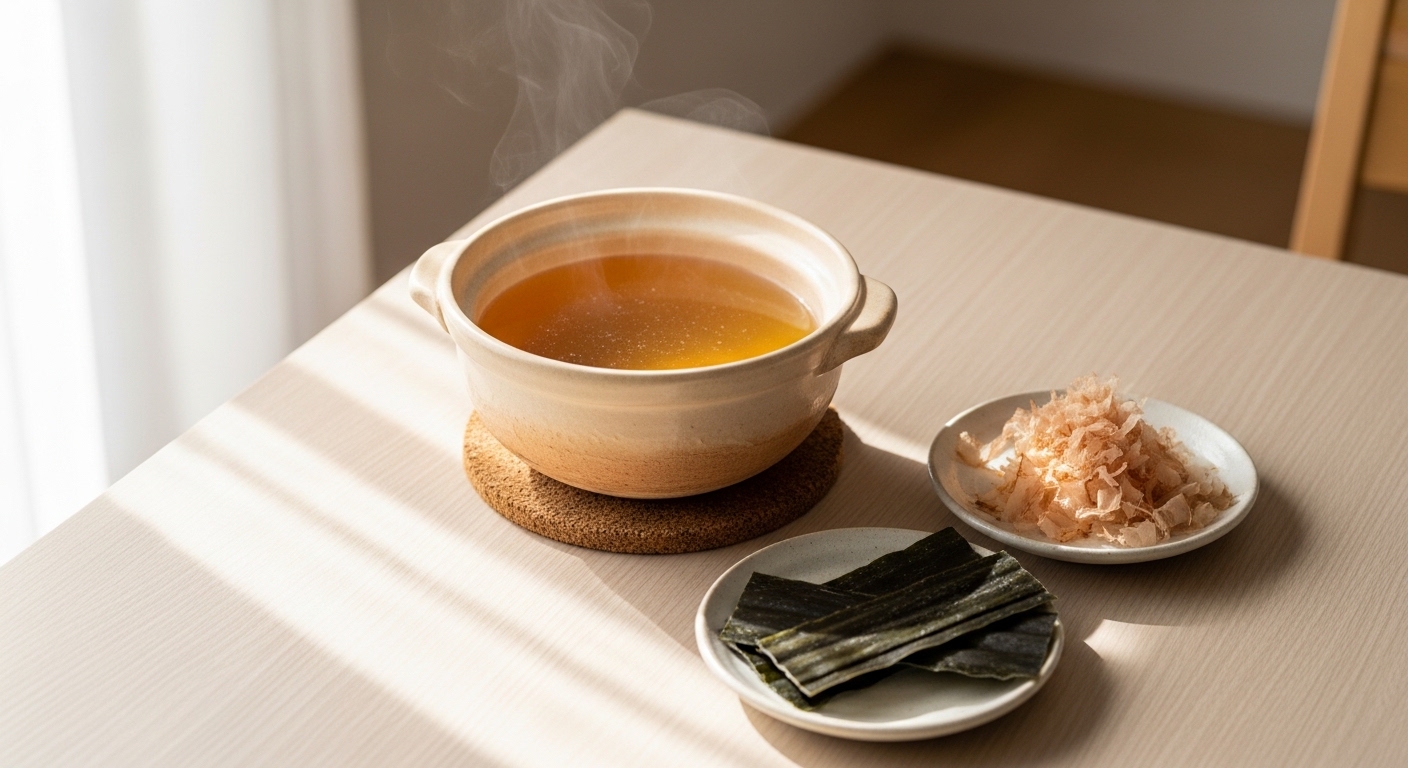
What Is Dashi? A Gentle Introduction to Japan’s Most Important Kitchen Staple
Dashi is one of the quiet foundations of Japanese cooking. It is not flashy, and it is rarely the star of a meal, yet it shapes the flavor of soups, broths, simmered dishes, and everyday home cooking in a way that feels subtle, clean, and deeply comforting.
If miso is one of the most familiar ingredients in Japanese food, dashi is often the hidden structure underneath it. A bowl of miso soup, a simple noodle broth, or a light simmered dish may seem very plain on the surface, but much of their depth comes from this gentle stock.
For people outside Japan, dashi can seem mysterious at first. But in practice, it is one of the most approachable kitchen staples to understand. It is less about complexity than about balance. Once you understand what dashi is and how it is used, Japanese home cooking begins to make much more sense.
In this article
- What dashi is and why it matters in Japanese cooking
- The most common kinds of dashi
- How dashi shapes the flavor of simple meals
- Why dashi fits so naturally into a longevity-friendly kitchen
- A few gentle dashi basics to begin with
What Is Dashi?
Dashi is a traditional Japanese stock made by gently extracting flavor from ingredients such as kombu, bonito flakes, dried shiitake mushrooms, or small dried fish. Unlike heavier stocks that are simmered for a long time, dashi is usually light, quick to prepare, and designed to support other ingredients rather than overwhelm them.
This is part of what makes dashi so distinctive. It adds depth without heaviness. It brings a savory, rounded quality to food, but in a way that still feels clear and calm. In Japanese cooking, that kind of balance matters. The goal is often not to create the richest possible flavor, but the most harmonious one.
Because dashi is so foundational, many Japanese dishes begin with it almost automatically. Miso soup is the most familiar example, but dashi also appears in noodle broth, chawanmushi, simmered vegetables, tamagoyaki, and many other simple meals.
Key point
Dashi is not meant to dominate a dish. Its role is to create quiet depth and balance, helping simple ingredients taste more complete.
Why Dashi Matters So Much in Japanese Home Cooking
One of the most useful things about dashi is that it makes modest ingredients feel satisfying. Tofu, daikon, wakame, mushrooms, and greens can all taste more nourishing when they are supported by a well-made broth. This is one reason Japanese home cooking often feels so calm and composed: even simple foods are given a foundation.
Dashi also supports restraint. Because it adds savory depth so efficiently, dishes do not need many competing seasonings. A soup can be made with just dashi, miso, tofu, and scallions and still feel complete. A simmered vegetable dish can remain gentle and clear instead of turning heavy or overly seasoned.
In that sense, dashi reflects an important Japanese kitchen value: letting ingredients remain recognizable while helping them come together in a balanced way.
The Most Common Types of Dashi
There is no single kind of dashi. Different ingredients create different moods and uses in the kitchen. Understanding a few of the basic types is enough to make dashi feel much more approachable.
Kombu dashi
Kombu dashi is made from dried kelp. It has a very clean, gentle savoriness and is often used in dishes where a softer flavor is preferred. It is also a useful option for people looking for a plant-based dashi.
Bonito dashi
Bonito dashi uses dried bonito flakes, often called katsuobushi. This creates a more aromatic, distinctly savory broth that many people associate with classic Japanese soup flavor. It is especially common in miso soup and noodle broth.
Kombu and bonito dashi
This is one of the most familiar everyday combinations. Kombu creates a calm base, and bonito adds depth and aroma. Together they form a balanced broth that feels both light and satisfying.
Shiitake dashi
Dried shiitake mushrooms can also be used to create dashi. The flavor is earthier and a little deeper in a different way. It is especially useful in plant-based cooking or in dishes where mushrooms already play a role.
Key point
The easiest way to begin is not to master every type of dashi. It is simply to understand that different dashi styles bring different kinds of depth to the kitchen.
Dashi and Miso Soup
If you want to understand dashi in the most practical way, start with miso soup. Dashi is what gives miso soup its structure. The miso adds seasoning and character, but the broth underneath creates the warmth, balance, and savory feeling that makes the soup so satisfying.
Without dashi, miso soup can feel flatter and less complete. With dashi, even a very simple bowl with tofu and wakame feels composed. This is why dashi matters so much: it supports the kind of everyday cooking that Japanese meals rely on.
For many home cooks, learning how to use dashi is really the moment when Japanese breakfast and simple Japanese meals begin to feel accessible.
Why Dashi Fits a Longevity-Friendly Kitchen
Dashi is closely connected to the kind of eating often associated with Japanese longevity, not because it is a miracle ingredient, but because it supports a certain style of cooking. It works well with vegetables, tofu, seaweed, fish, and simple soups. It helps small meals feel nourishing without asking for rich sauces or overly processed flavoring.
It also encourages moderation. Dashi allows food to taste satisfying while remaining light. That makes it easier to enjoy meals that feel warm, savory, and complete without becoming overly heavy. In a daily kitchen rhythm, this can be very useful.
Just as importantly, dashi supports repeatability. It makes simple home cooking easier to return to. A pantry with dashi, miso, seaweed, rice, and tea is not dramatic, but it can support many steady, balanced meals over time.
Key point
Dashi fits naturally into a longevity-friendly kitchen because it helps simple foods feel satisfying, balanced, and easy to repeat.
Do You Need to Make Dashi from Scratch?
Not necessarily. While traditional homemade dashi has its own beauty, many people begin with dashi packets or simple dashi powder. These can still be a very good entry point, especially if they help turn dashi into a regular part of home cooking rather than an occasional project.
The most important thing is not perfection. It is familiarity. Once you become used to the taste of dashi in soups and broths, you start to understand why it matters. That understanding often comes more from repetition than from technical knowledge.
If you eventually want to make dashi from kombu and bonito flakes, you can. But you do not need to begin there. For many people, a calm, practical version is the best place to start.
Simple Ways to Use Dashi Every Day
Dashi becomes easiest to understand when it is tied to meals you can actually repeat. The goal is not to produce elaborate restaurant-style dishes, but to support a gentler everyday kitchen rhythm.
1. Use it for miso soup
This is still the simplest and most natural use. Even a very basic bowl becomes more balanced with dashi underneath.
2. Add it to noodle broth
A light dashi base can make udon or soba feel much more complete without becoming heavy.
3. Use it in simmered vegetables
Daikon, mushrooms, tofu, greens, and other simple ingredients all benefit from the quiet depth of dashi.
4. Build a calmer breakfast
Because dashi supports miso soup so well, it naturally fits into a Japanese-style breakfast with rice, tea, and a few small savory dishes.
A Gentle Way to Begin
If you are curious about dashi, the easiest place to begin is with a simple stock packet and a pot of miso soup. That is enough to make the concept feel real. Once you see how much depth it adds to such a small meal, the role of dashi becomes much easier to understand.
From there, you can experiment slowly. Try kombu-based dashi if you want something softer. Try a bonito-based dashi if you want a more traditional everyday flavor. Notice how the broth changes the feeling of the meal. That kind of quiet learning is very much in the spirit of Japanese home cooking.
Recommended Dashi Basics
These are a few gentle starting points for bringing dashi into everyday life without overcomplicating the kitchen.
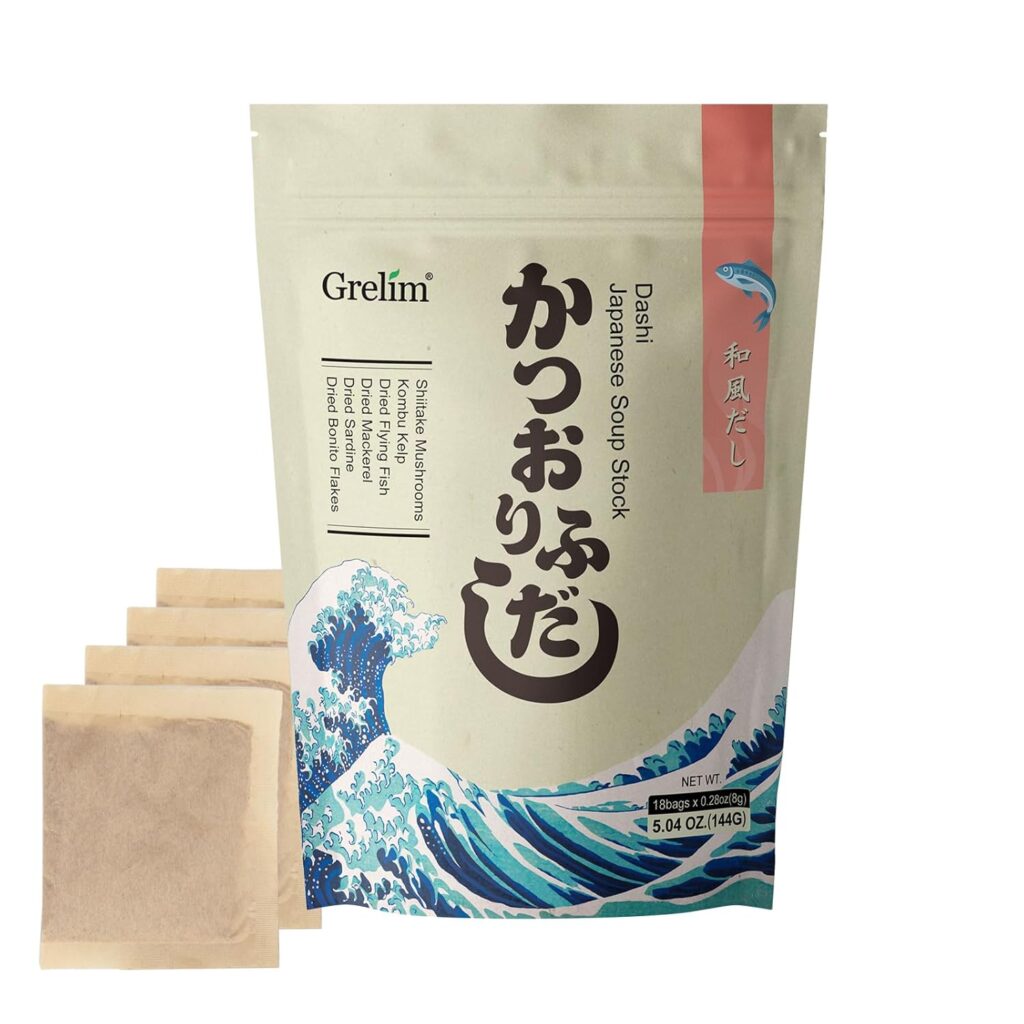
Simple Dashi Packets
An easy starting point for making miso soup and light Japanese broths without turning the process into a project.
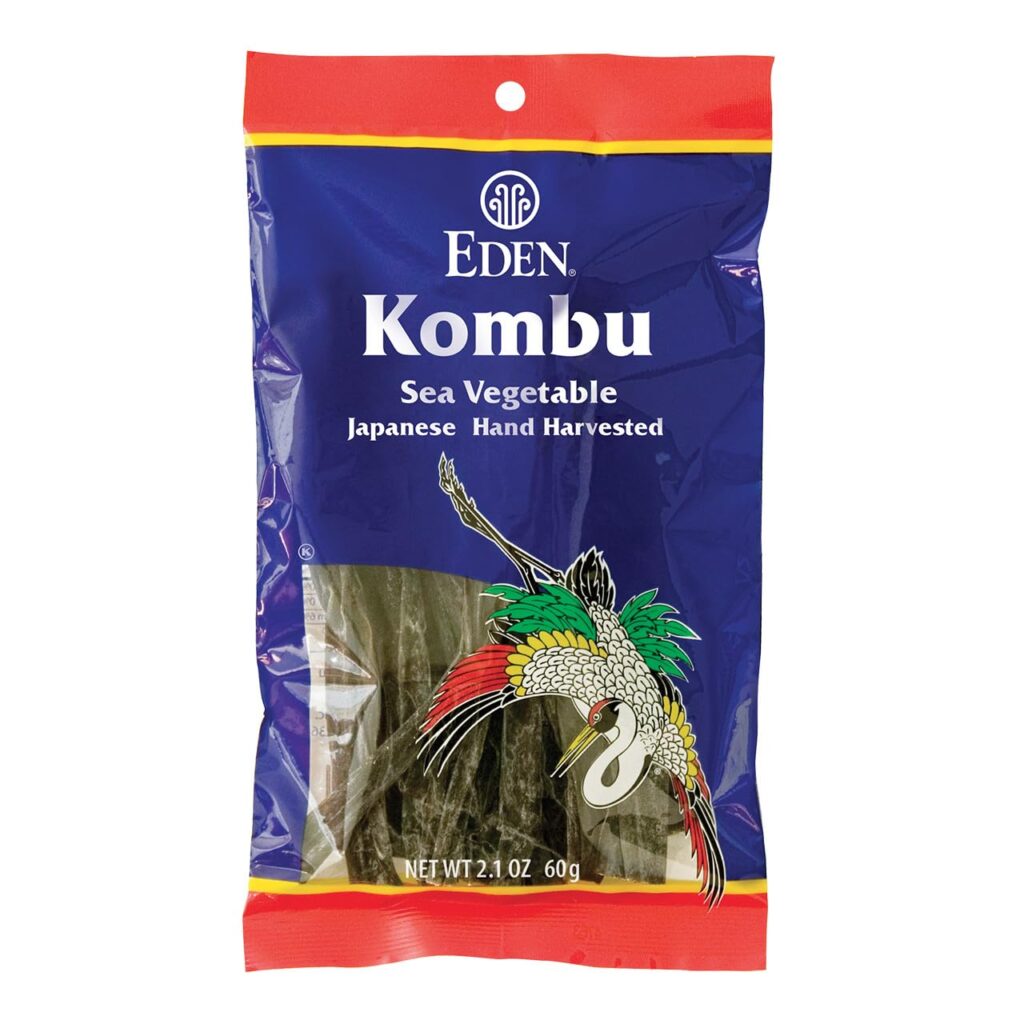
Dried Kombu
A gentle pantry staple for making clean, calm dashi at home and understanding the base of many Japanese dishes.
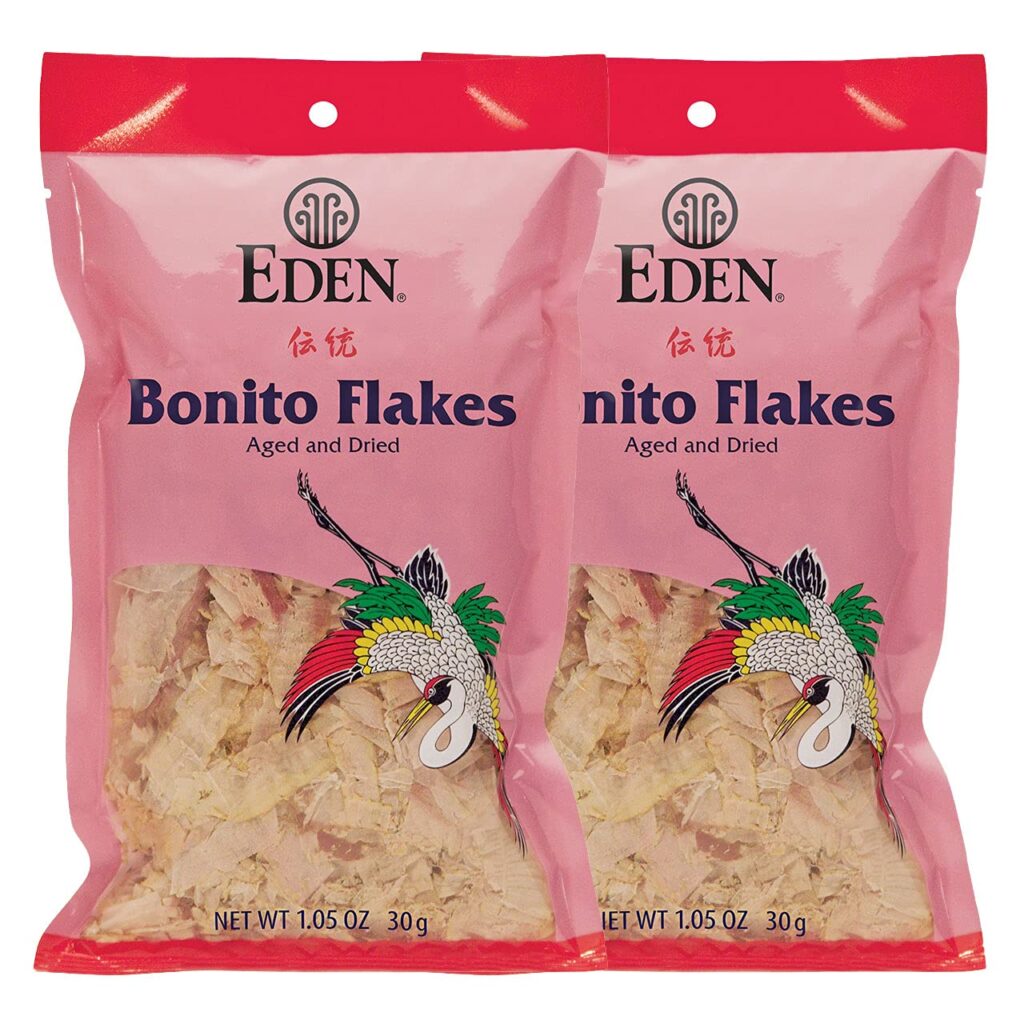
Bonito Flakes
A classic ingredient for a more traditional Japanese broth with deeper aroma and everyday savory balance.
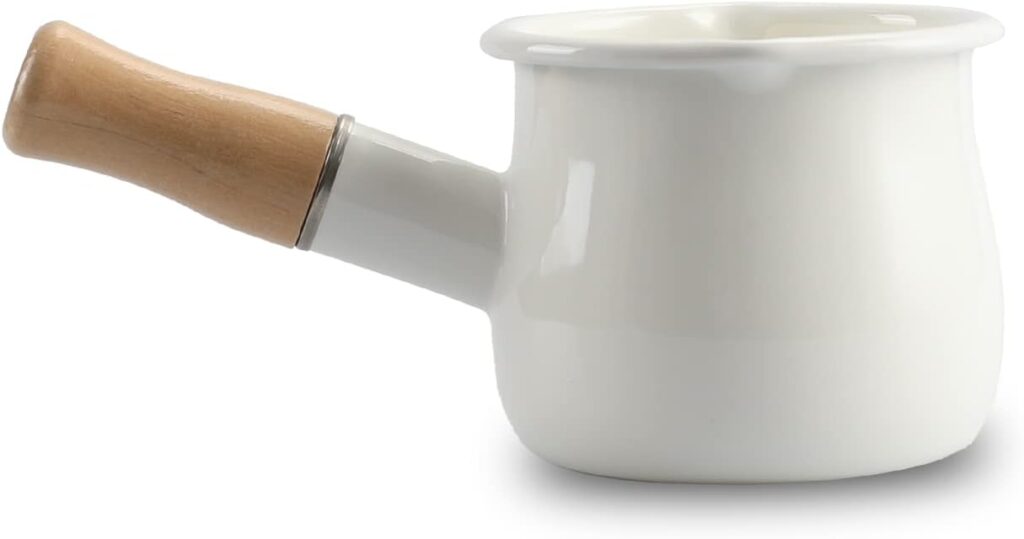
Simple Soup Pot
A small everyday pot that makes it easier to turn dashi into a calm, repeatable kitchen habit.
A note on recommendations
These suggestions are not meant to make dashi feel intimidating or technical. They are simply a few gentle basics for understanding one of the most important rhythms in Japanese cooking.
Final Thoughts
Dashi is easy to overlook because it is so subtle, but that is exactly what makes it important. It is one of the quiet structures that allows Japanese food to feel balanced, calm, and deeply satisfying without relying on excess.
Once you understand dashi, many simple Japanese meals begin to make more sense. Miso soup feels fuller, simmered vegetables feel gentler, and the whole kitchen seems to move with a different kind of rhythm. That is why dashi matters so much. It is not dramatic, but it changes everything around it.
If you are building a more grounded, longevity-friendly kitchen, dashi is one of the most useful places to begin.
Related reading on The Zen Longevity
- Miso Soup Every Day? What This Japanese Habit Can Teach Us About Simple Nutrition
- A Simple Guide to Japanese Miso: White, Red, and How to Use It Every Day
- The Japanese Breakfast for Longevity: What a Balanced Morning Meal Looks Like
- Japanese Pantry Essentials for a Calm, Healthy Kitchen
- Japanese Fermented Foods for Gut Health and Healthy Aging
コメント