The Japanese Longevity Diet: Principles Behind Everyday Healthy Aging
The Japanese longevity diet is often discussed as if it were built around one special food. In reality, its strength comes less from any single ingredient than from a broader pattern of eating: simple meals, moderate portions, seasonal variety, fermented foods, tea, and a daily rhythm that supports steadier health over time. In this article, we explore the principles behind the Japanese approach to healthy aging and why it continues to feel relevant in modern life.
When people talk about long life in Japan, they often search for one secret.
Is it green tea? Fish? Miso soup? Fermented soy foods? Smaller portions? The answer, in most cases, is not one thing. What makes the Japanese approach to food so compelling is that it is built on patterns rather than shortcuts.
That distinction matters.
Many modern health conversations focus on isolated superfoods, supplements, or dramatic dietary rules. But longevity is rarely built that way. More often, it is supported by modest habits repeated over many years: eating enough but not too much, choosing foods that are simple and varied, staying close to traditional staples, and allowing meals to fit naturally into a steady daily rhythm.
This is part of why the Japanese longevity diet remains so interesting.
It is not extreme. It is not performative. And it does not depend on constant self-optimization. Instead, it offers a calmer model of nourishment — one that feels both practical and sustainable.
In this article
- What people mean by the Japanese longevity diet
- The core principles behind healthy aging in Japanese food culture
- Why rhythm matters as much as ingredients
- The role of tea, fermentation, and modest portions
- How to apply these ideas in everyday life
- What Is the Japanese Longevity Diet?
- Principle 1: Simplicity Over Excess
- Principle 2: Variety in Small, Manageable Forms
- Principle 3: Fermented Foods as Everyday Staples
- Principle 4: Tea Instead of Constant Sweetness
- Principle 5: Moderation Without Obsession
- Principle 6: Rhythm Matters as Much as Ingredients
- What Foods Commonly Appear in a Japanese Longevity Pattern?
- How This Differs from Modern Wellness Trends
- How to Apply These Principles in Your Own Life
- A Few Japanese Staples for a Longevity-Friendly Kitchen
- Final Thoughts
What Is the Japanese Longevity Diet?
The Japanese longevity diet is not a formal diet plan.
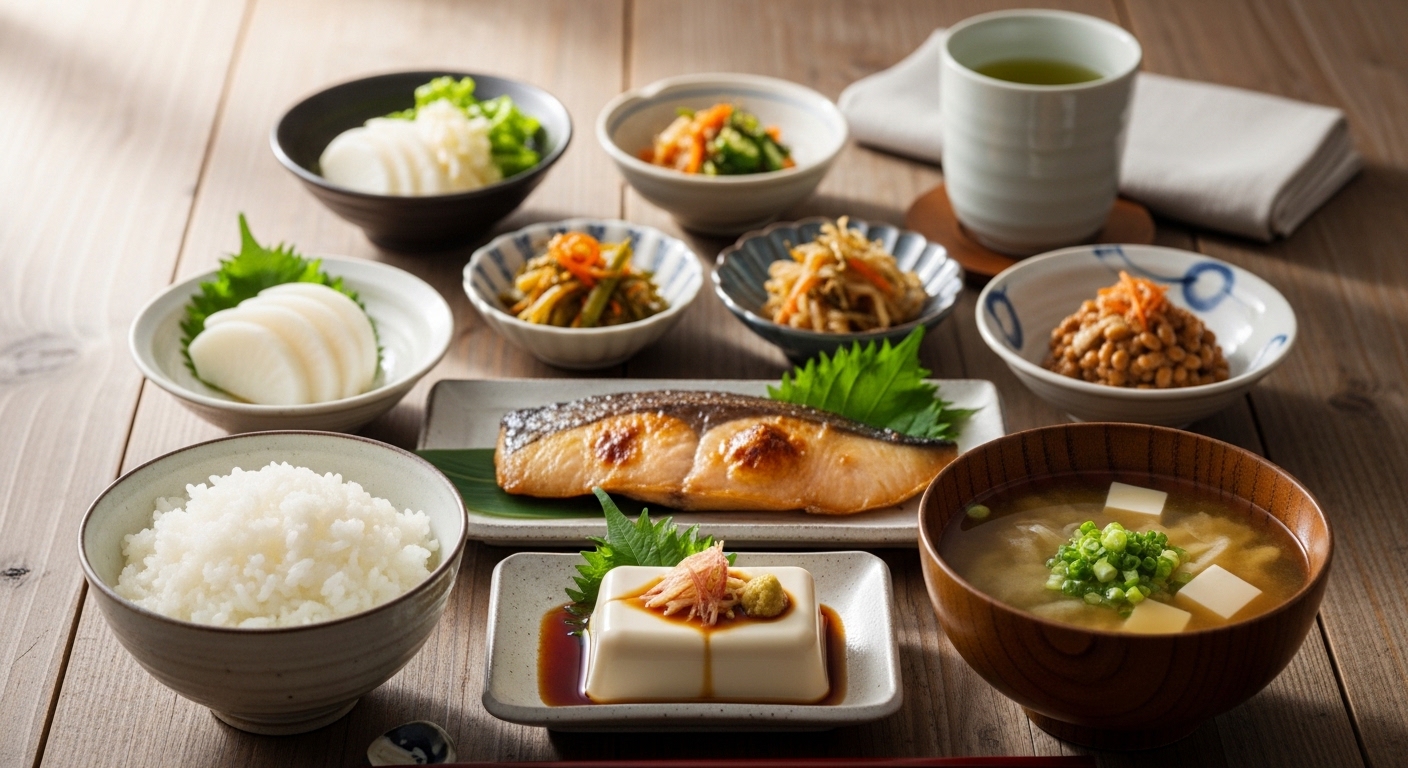
It is better understood as a set of tendencies that appear across traditional Japanese eating patterns: meals built around rice, vegetables, fish, soy foods, tea, soups, fermented foods, and simple side dishes; an emphasis on variety without excess; and a cultural preference for balance rather than intensity.
This approach does not look identical in every region or every household.
Japan contains many local food traditions, and modern eating habits have also changed over time. But even with that variation, certain common principles remain recognizable. Meals are often structured rather than chaotic. Ingredients are usually allowed to retain their own character. Portions are often moderate. Tea is integrated naturally. Fermented foods appear regularly. And meals often feel lighter and more balanced than highly processed convenience-based diets.
This does not mean every Japanese meal is automatically healthy or that all Japanese people eat in the same way.
But it does help explain why Japanese food culture is so often associated with healthy aging. The pattern itself tends to support moderation, variety, and repeatability.
A better way to understand the Japanese longevity diet
It is not one strict plan or one miracle food. It is a broader pattern of moderate, simple, repeatable eating that supports healthier aging over time.
Principle 1: Simplicity Over Excess
One of the most striking qualities of traditional Japanese meals is their simplicity.
This does not mean they are plain or joyless. It means they are usually built around a few recognizable foods prepared in ways that do not overwhelm the ingredients themselves. Rice, soup, fish, tofu, vegetables, seaweed, tea, and small side dishes can form a meal that feels complete without being heavy.
This matters because excess often creates instability.
Meals built around ultra-processed foods, intense sweetness, oversized portions, or constant snacking can make the body feel burdened rather than nourished. By contrast, simpler meals are often easier to digest, easier to repeat, and easier to fit into a stable daily rhythm.
Simplicity also supports consistency.
And consistency matters far more for healthy aging than occasional perfection.
Principle 2: Variety in Small, Manageable Forms
The Japanese longevity diet is not based on eating one “perfect” food every day.
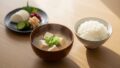
Instead, many traditional meals include small amounts of multiple foods: a bowl of rice, miso soup, one protein, one or two vegetable sides, pickles, tea, perhaps seaweed or tofu. This creates diversity without excess.
That structure is quietly powerful.
It makes meals more nutritionally varied while keeping portions modest. It also changes the emotional experience of eating. Instead of chasing stimulation from one dominant food, the meal becomes an arrangement of smaller elements that work together.
This kind of balance may be one reason Japanese meals often feel satisfying without needing to be oversized.
Common features of a Japanese-style longevity meal
- A staple such as rice
- A warm soup
- A simple protein such as fish or tofu
- Vegetable side dishes
- Fermented elements such as miso or pickles
- Tea instead of heavily sweetened drinks
Principle 3: Fermented Foods as Everyday Staples
Fermented foods are one of the most recognizable features of Japanese food culture.
Miso, natto, soy sauce, pickles, rice koji, amazake, and other fermented ingredients appear not as niche wellness products, but as ordinary parts of daily eating. This is important because their value comes not only from what they contain, but from how naturally they are woven into repeatable meals.
Fermentation adds depth without requiring excess.
It can bring complexity to soups, dressings, marinades, rice dishes, vegetables, and simple side meals. It also reflects a broader philosophy of transformation, patience, and practical nourishment.
When fermentation is part of ordinary food culture, it does not need to feel like a special intervention.
It simply becomes part of how a kitchen supports long-term health.
Principle 4: Tea Instead of Constant Sweetness
Another important aspect of the Japanese longevity diet is what people drink.
Green tea, hojicha, genmaicha, and other unsweetened teas often appear naturally throughout the day. This is not a minor detail. Beverages shape energy, habits, and blood sugar patterns more than many people realize.
When tea replaces soda, sweetened coffee drinks, or heavily processed bottled beverages, the change can be meaningful.
Tea also supports rhythm. It creates pauses. It accompanies meals without overwhelming them. It can feel stimulating in a gentler way, or comforting in the evening when a roasted tea such as hojicha is used.
This is one reason tea belongs so naturally in a longevity conversation.
It is not only about antioxidants. It is also about what tea replaces, and the calmer habits it supports.
Tea as a longevity habit
Tea matters not only because of what it contains, but because it often replaces sweeter, more stimulating drinks and supports calmer daily rhythms.
Principle 5: Moderation Without Obsession
One of the most valuable lessons in Japanese approaches to food is moderation.
This is not the same as constant restriction. It is closer to balance. Meals are often designed to satisfy without overwhelming. Rich foods may still be enjoyed, but they are less likely to dominate everyday eating. Sweetness is often gentler. Portions are more measured. Excess is less central.
This matters because healthy aging is rarely helped by extremes.
Very rigid diets can be difficult to sustain, and cycles of overindulgence followed by harsh correction often create stress rather than stability. Moderation offers another path. It allows food to remain pleasurable while keeping the overall pattern supportive.
In this sense, the Japanese longevity diet is not impressive because it is strict.
It is impressive because it is livable.
Principle 6: Rhythm Matters as Much as Ingredients
Food does not exist in isolation from the rest of life.
This may be one of the deepest lessons behind Japanese longevity. Meals are often tied to rhythm: breakfast, lunch, dinner, tea, a quieter evening, home cooking, seasonal ingredients, repeated routines. The body responds not only to what we eat, but to the steadiness with which we eat it.
Chaotic eating often creates chaotic energy.
Skipping meals, relying on highly processed snacks, eating late and heavily, or using sugar and caffeine to push through fatigue can make the body feel ungrounded. By contrast, regular meals built around simple foods often support more stable energy and calmer appetite regulation.
This is why rhythm belongs at the center of any real discussion of longevity.
What Foods Commonly Appear in a Japanese Longevity Pattern?
While no single food defines the Japanese longevity diet, certain foods appear often enough to be worth noting.
- Rice and other simple staple grains
- Miso soup and other light soups
- Fish in modest portions
- Tofu and soy-based foods
- Natto and other fermented staples
- Vegetables in cooked and pickled forms
- Seaweed
- Green tea, hojicha, and genmaicha
- Simple fruits and modest desserts rather than constant sugary snacks
What matters most is not memorizing this list.
It is recognizing the pattern behind it: modestly varied meals built around real foods that are easy to repeat and unlikely to overwhelm the body.
How This Differs from Modern Wellness Trends
Modern wellness culture often rewards novelty.
There is always a new supplement, a new powder, a new fasting rule, a new breakfast formula, a new ingredient presented as the missing answer. The Japanese longevity diet offers something different.
It is quieter.
It asks less about optimization and more about steadiness. Less about intensity and more about continuity. Less about chasing dramatic results and more about living in a way the body can tolerate for years.
This may be why it remains appealing.
It feels less like a project and more like a life.
Why this approach still feels relevant
The Japanese longevity diet stands out because it is sustainable. It is based on repeatable habits, not constant novelty or dietary extremes.
How to Apply These Principles in Your Own Life
You do not need to recreate a traditional Japanese household to learn from this way of eating.
A more realistic approach is to borrow its principles gently. You might begin by simplifying one daily meal. You might replace one sweet drink with tea. You might add miso soup once or twice a week. You might use more fermented ingredients in ordinary cooking. You might aim for variety in smaller portions rather than one oversized plate.
The point is not imitation for its own sake.
It is to notice which parts of this pattern make your own life feel steadier, calmer, and easier to sustain.
Simple ways to begin
- Build one meal each day around rice, soup, vegetables, and a simple protein
- Use tea more often in place of sugary drinks
- Add one fermented staple such as miso or natto to your week
- Keep portions moderate without becoming rigid
- Focus on rhythm and repeatability rather than perfection
A Few Japanese Staples for a Longevity-Friendly Kitchen
If you would like to bring some of these Japanese longevity principles into your own life, it helps to begin with just a few simple staples rather than trying to change everything at once.
The goal is not to recreate a perfect traditional kitchen. It is to choose a few foods that make balanced meals, gentler habits, and repeatable routines easier in everyday life.
A gentle place to begin
- Choose one fermented staple such as miso
- Keep one everyday tea at home
- Use simple seasonings that support home cooking
- Build meals around a few repeatable essentials
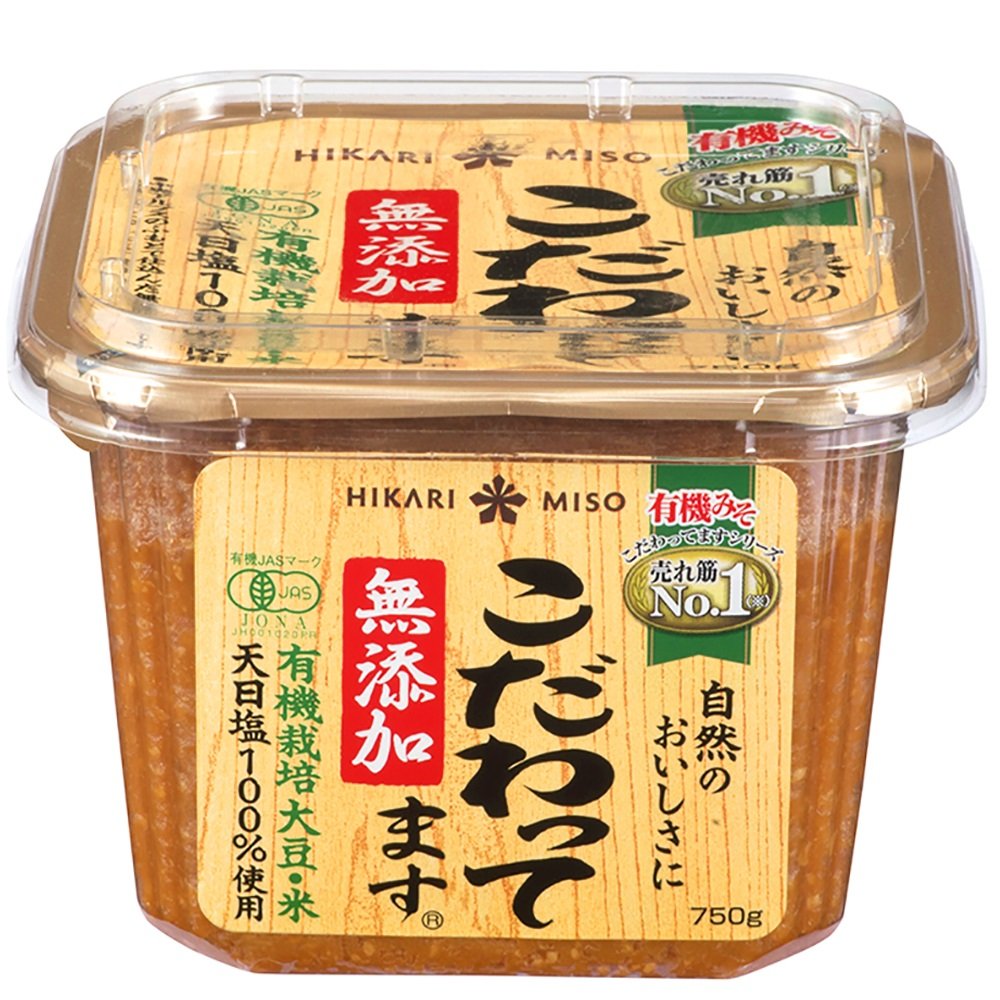
1. Traditionally Brewed Miso
Miso is one of the easiest ways to bring fermented food into everyday meals. It works naturally in soups, broths, and simple home cooking while supporting the warmth and practicality of a longevity-friendly kitchen.
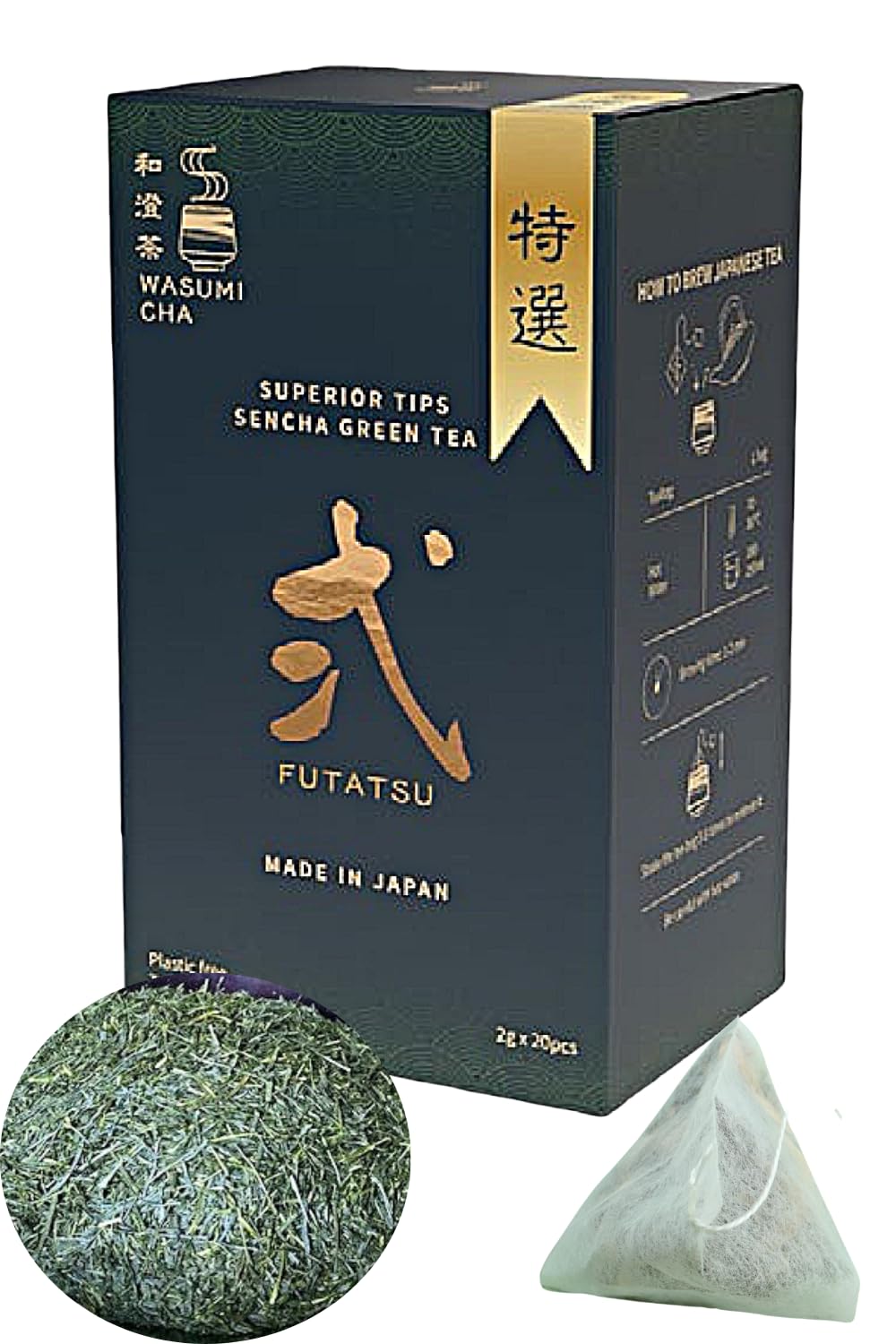
2. Japanese Green Tea
Green tea is one of the simplest daily habits associated with Japanese longevity. It can gently replace sweeter drinks, pair naturally with meals, and help create a steadier rhythm throughout the day.
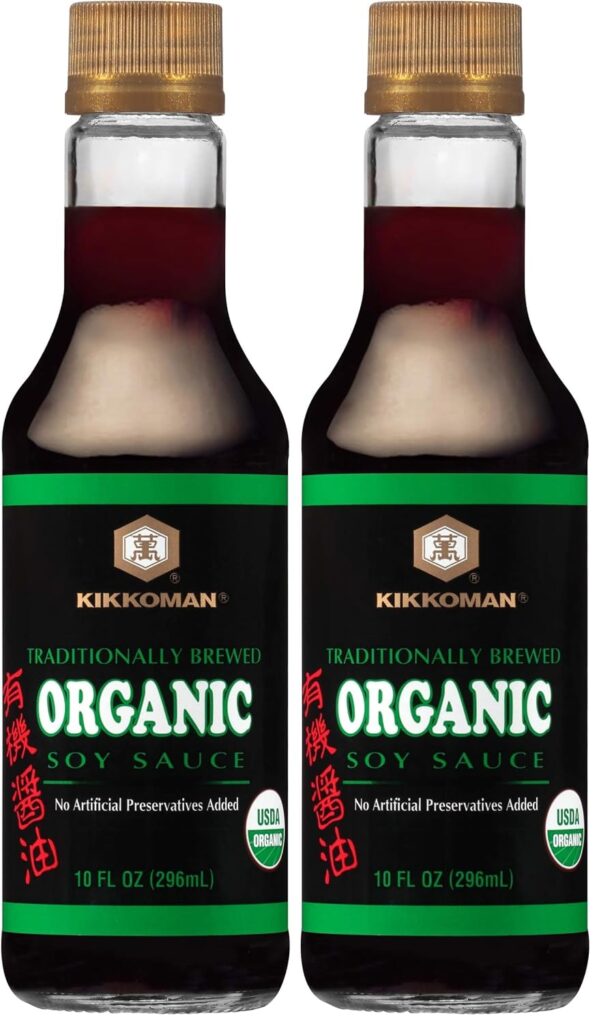
3. Naturally Brewed Soy Sauce
Traditionally brewed soy sauce adds depth and balance to vegetables, tofu, fish, rice dishes, and simple dressings. Even in small amounts, it helps support a calmer, less processed style of eating.

4. Dried Seaweed
Seaweed is one of the quiet strengths of Japanese home cooking. It adds depth, variety, and mineral richness to soups, rice bowls, and side dishes while fitting easily into repeatable everyday meals.
A note on recommendations
We recommend simple staples that support a more balanced and sustainable way of eating. The goal is not to buy many products at once, but to begin with a few ingredients that make everyday meals feel calmer, steadier, and easier to repeat.
Final Thoughts
The Japanese longevity diet is compelling not because it promises dramatic transformation, but because it offers a believable model of everyday healthy aging.
It is built on simple meals, modest portions, fermentation, tea, variety, and rhythm. It respects food without turning it into a performance. And it reminds us that long-term well-being is often shaped less by what is extraordinary than by what is ordinary and repeated.
That may be the most important lesson of all.
Healthy aging does not always begin with a breakthrough. Sometimes it begins with rice, soup, tea, vegetables, and the quiet decision to eat in a steadier way.

コメント