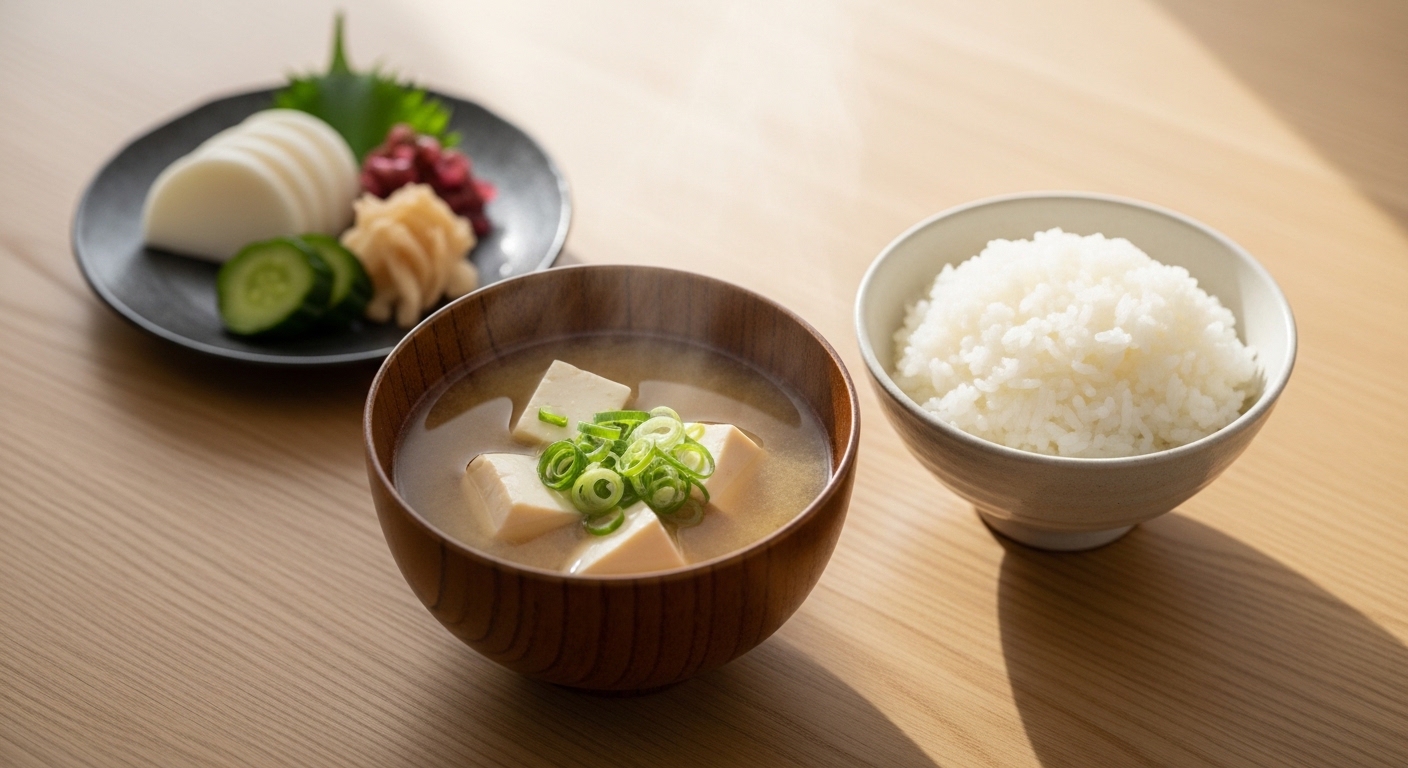
Miso Soup Every Day? What This Japanese Habit Can Teach Us About Simple Nutrition
Miso soup is one of the simplest everyday habits in Japanese home cooking. More than a traditional side dish, it offers a quiet lesson in balance: warm broth, fermented ingredients, vegetables, tofu, seaweed, and a rhythm of eating that supports nourishment without excess.
In many Japanese households, miso soup is not treated as a health trend or a miracle food. It is simply part of daily life. A small bowl of soup may appear at breakfast, lunch, or dinner, alongside rice, fish, tofu, or vegetables. The appeal is not only in its flavor, but in the way it gently supports a more grounded style of eating.
If you are curious about Japanese longevity habits, miso soup is one of the best places to begin. It is modest, comforting, affordable, and easy to adapt. Most importantly, it reflects a broader idea of nutrition: that simple meals, repeated over time, may matter more than perfection.
In this article
- Why miso soup is such a lasting part of Japanese daily life
- What makes a bowl of miso soup nutritionally interesting
- How miso soup fits into a balanced, longevity-friendly meal
- What this habit teaches us about simple nutrition
- A few gentle pantry staples to begin with
- Why Miso Soup Appears So Often in Japanese Daily Life
- What Makes Miso Soup Nutritionally Interesting?
- Miso Soup and the Japanese Breakfast Pattern
- What This Habit Teaches Us About Simple Nutrition
- Do You Need to Eat Miso Soup Every Day?
- A Few Gentle Ways to Begin
- Recommended Miso Soup Basics
- Final Thoughts
Why Miso Soup Appears So Often in Japanese Daily Life
Miso soup is deeply woven into Japanese home cooking because it is practical as much as it is comforting. It can be made quickly, adjusted to the season, and paired with many different meals. A simple bowl may include tofu and wakame one day, daikon and aburaage another, or mushrooms and scallions in cooler months.
This flexibility is part of the reason it lasts as a daily habit. Miso soup does not demand a complicated recipe. It uses a small number of ingredients and leaves room for variation. In that sense, it supports a calmer approach to eating: familiar, repeatable, and easy to return to.
Key point
Miso soup is not valued in Japan because it is fashionable. It remains a daily staple because it is simple, adaptable, and easy to build into ordinary meals.
What Makes Miso Soup Nutritionally Interesting?
Miso soup may look modest, but it often brings together several elements that make a meal feel more complete. The base begins with miso, a fermented soybean paste that adds depth and savory flavor. Depending on the type of miso used, the soup may taste lighter, sweeter, richer, or more robust.
Then come the additions. Tofu offers gentle protein. Seaweed adds minerals and texture. Mushrooms, root vegetables, leafy greens, or scallions can contribute variety and seasonal balance. The broth itself is warm and satisfying, which can help slow down a meal and make simple foods feel more nourishing.
This does not mean miso soup should be viewed as a perfect or complete food on its own. Rather, it works best as part of a broader pattern of eating. In Japanese meals, it is rarely isolated. It is usually served with rice, vegetables, and another small dish, which helps create balance naturally.
Fermented flavor without excess
One reason miso soup is so useful in simple cooking is that fermented miso adds character without requiring many ingredients. Even a very plain bowl can taste satisfying. This matters because flavorful meals are often easier to sustain than restrictive ones.
Warmth changes the pace of eating
A warm bowl of soup encourages a slower start to the meal. It adds comfort and presence. That may sound small, but habits that create ease and rhythm often become the ones we can maintain over time.
Small ingredients, layered nourishment
Miso soup is rarely about one “superfood.” Its value comes from layering modest ingredients together: broth, paste, tofu, seaweed, vegetables, and sometimes mushrooms or onions. This reflects a very Japanese kind of nutritional wisdom: quiet variety rather than intensity.
Key point
The value of miso soup is not that it does everything. It is that it combines warmth, flavor, fermentation, and small nourishing ingredients in a very sustainable way.
Miso Soup and the Japanese Breakfast Pattern
For many people outside Japan, breakfast is often imagined as something sweet, rushed, or heavily processed. A Japanese-style breakfast can feel very different. Instead of relying on sugary cereals, pastries, or oversized portions, it often centers on smaller savory foods that work together: rice, miso soup, fish, pickles, tea, and perhaps a little egg or tofu.
In this context, miso soup helps anchor the meal. It adds warmth, moisture, and savory depth. It can also make breakfast feel more composed without becoming heavy. Even when the rest of the meal is simple, a bowl of soup creates a sense of structure.
This is one reason miso soup often appears in conversations about Japanese longevity. It is not only about nutrients. It is also about eating patterns. A balanced morning meal may support steadier energy, less reliance on overly sweet foods, and a more grounded start to the day.
What This Habit Teaches Us About Simple Nutrition
The deeper lesson of miso soup is not that everyone should force themselves to drink it every day. The lesson is that nutrition becomes easier when it is attached to a familiar, repeatable practice.
Miso soup teaches that healthy eating does not always have to begin with strict rules. It can begin with one dependable ritual: a bowl of something warm, savory, and made from basic ingredients. When a habit is comforting and realistic, it is far more likely to last.
It also teaches that good nutrition can come from combinations rather than isolated targets. A Japanese meal often builds nourishment by placing a few simple foods together. Soup, rice, vegetables, and tea may not look dramatic, but over time, this style of eating can feel remarkably steady and supportive.
Simple does not mean nutritionally empty
One of the most useful ideas in Japanese home cooking is that a meal can be very simple and still feel complete. Miso soup demonstrates this beautifully. A few ingredients, thoughtfully combined, often do more than a complicated plan that is hard to repeat.
Daily rhythms matter
Because miso soup is easy to prepare and easy to vary, it fits naturally into everyday life. This makes it a good example of how long-term health habits are often built: not from extremes, but from ordinary repetition.
Key point
Miso soup points to a broader nutritional idea: sustainable meals are often warm, simple, balanced, and easy to return to again and again.
Do You Need to Eat Miso Soup Every Day?
Not necessarily. The real value is not in following a rigid rule. It is in learning from the pattern. If miso soup helps you eat more calmly, include more whole ingredients, or build a more balanced breakfast or lunch, then it is already doing something useful.
For some people, that may mean enjoying it a few times a week. For others, it may become a daily habit during colder months. What matters is not frequency for its own sake, but whether the habit supports a way of eating that feels steady and realistic.
It is also worth remembering that miso soup can be adapted. Some days it may be very simple, with only tofu and scallions. On other days it may include mushrooms, cabbage, wakame, or daikon. This flexibility is part of its strength.
A Few Gentle Ways to Begin
If you want to bring this habit into your own kitchen, start with the simplest version possible. A mild miso, a basic dashi, tofu, and dried wakame are enough to make a very approachable bowl. Once that becomes familiar, you can add vegetables or try different kinds of miso.
There is no need to imitate a perfect Japanese breakfast all at once. Even one small bowl alongside toast, eggs, rice, or fruit can begin to shift the tone of a meal. Over time, these small changes often matter more than dramatic reinventions.
Recommended Miso Soup Basics
These are a few gentle pantry staples that make it easier to bring miso soup into everyday life without turning the kitchen into a project.
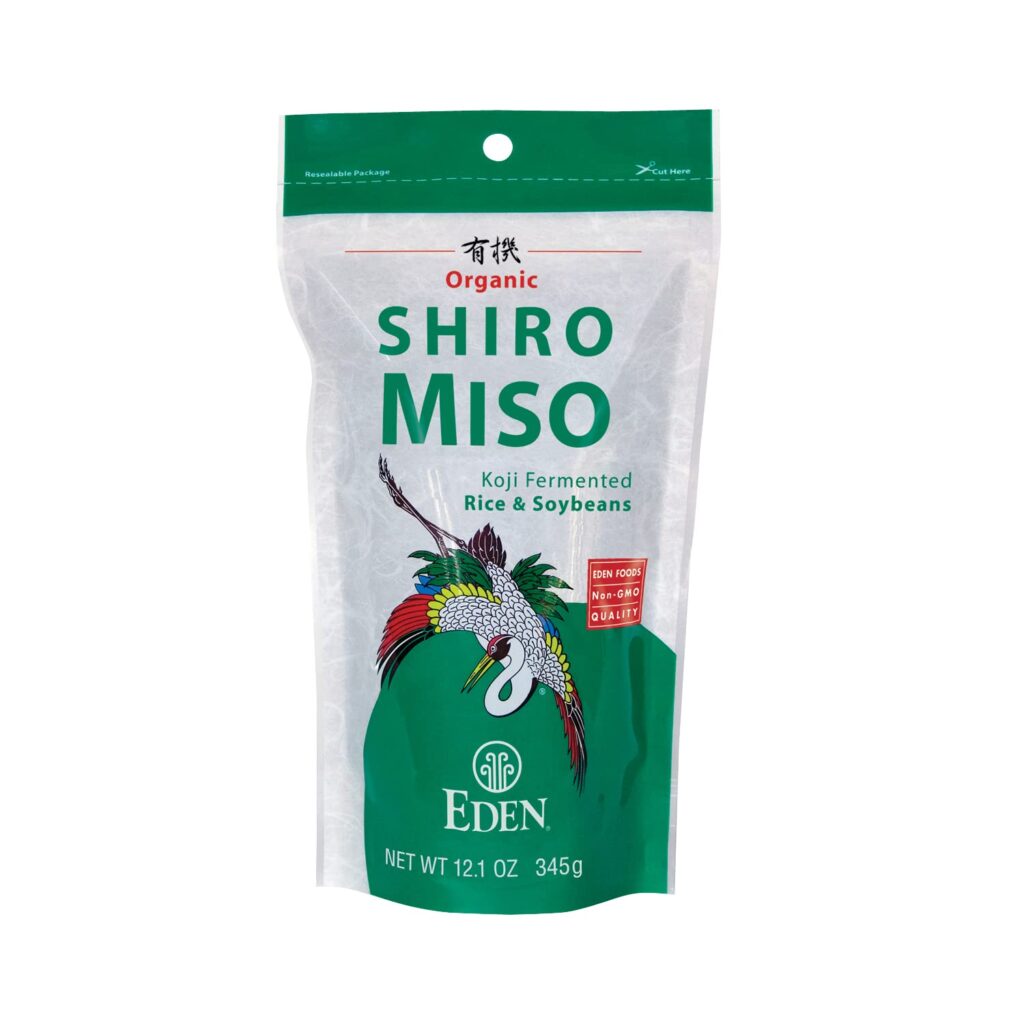
White Miso Paste
A mild, slightly sweet miso that is easy for beginners and works well in light everyday soups.
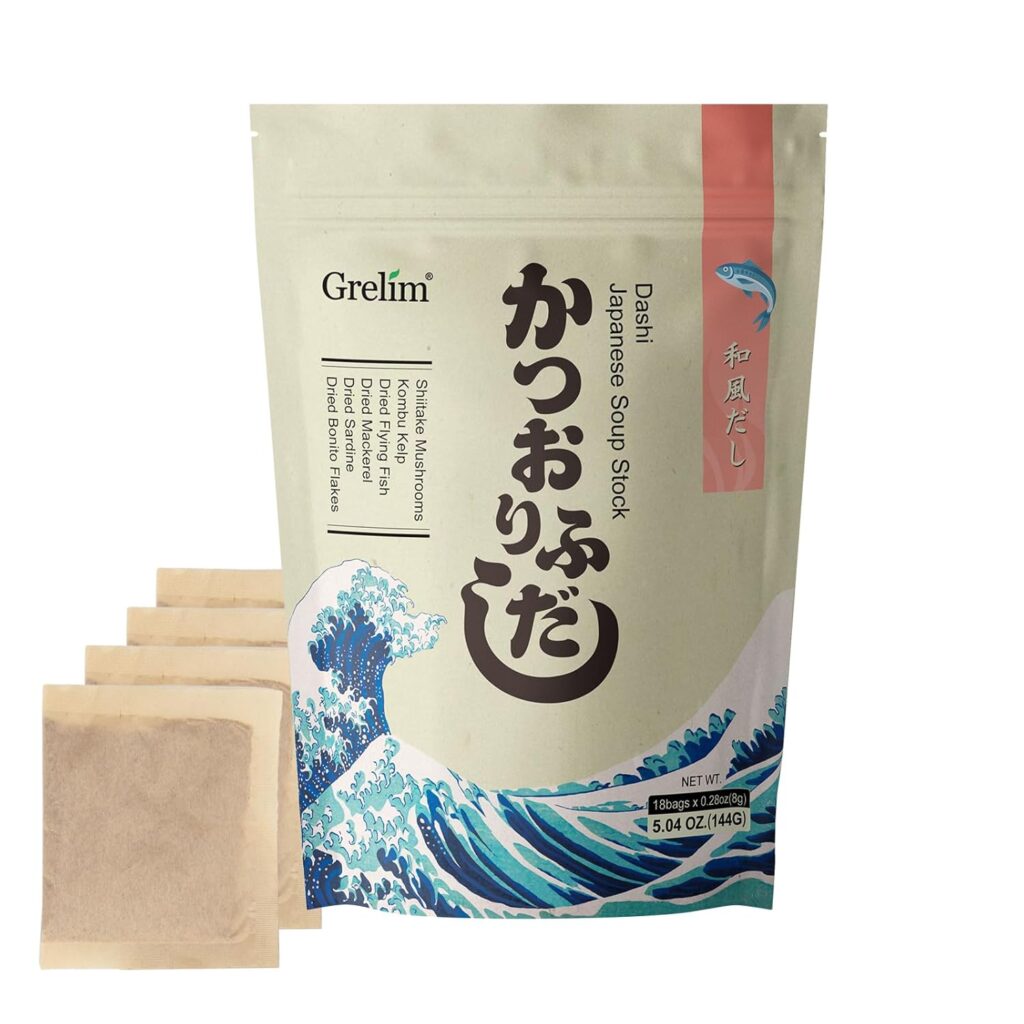
Simple Dashi Stock
A gentle starting point for making miso soup at home with more depth and a more traditional flavor.

Dried Wakame
An easy pantry ingredient that adds texture and a classic Japanese soup element in just a few minutes.
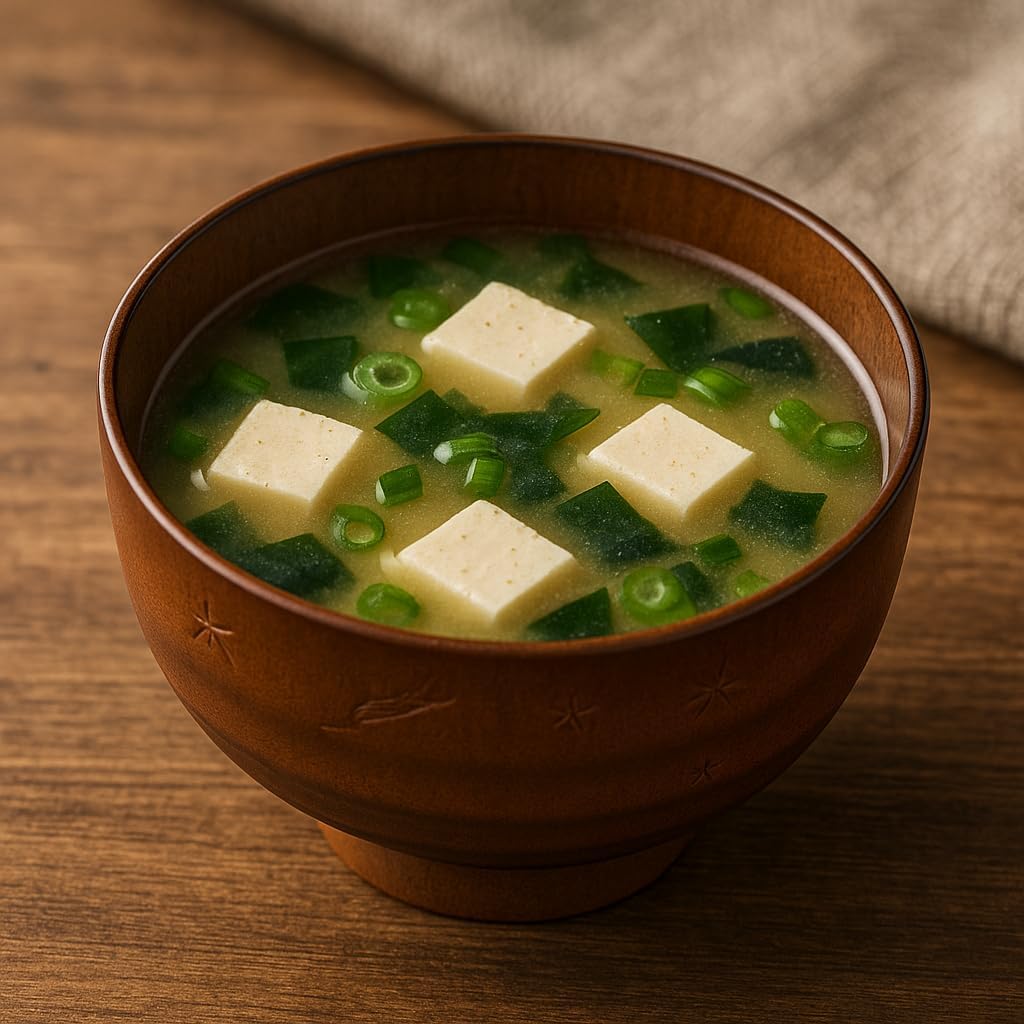
Simple Miso Soup Bowls
A small practical detail, but a good bowl can make a simple daily meal feel calmer and more intentional.
A note on recommendations
The items above are not meant to turn miso soup into a shopping project. They are simply a few gentle starting points for building a simple, repeatable kitchen habit.
Final Thoughts
Miso soup is a small habit, but that is exactly why it matters. It shows how simple nutrition often works best: not as an isolated “health food,” but as part of a daily rhythm that feels warm, balanced, and sustainable.
In Japanese home cooking, longevity is rarely presented as a dramatic secret. It is more often found in ordinary patterns repeated with care. A bowl of miso soup, served quietly alongside other simple foods, is one of the clearest examples.
If you are looking for a more grounded way to eat, miso soup may be less about copying Japan perfectly and more about learning one useful lesson from it: nourishment becomes easier when it is gentle enough to do again tomorrow.
Related reading on The Zen Longevity
- A Simple Guide to Japanese Miso: White, Red, and How to Use It Every Day
- Japanese Fermented Foods for Gut Health and Healthy Aging
- Japanese Pantry Essentials for a Calm, Healthy Kitchen
- What Japanese People Eat in a Typical Day: A Gentle Look at Everyday Meals in Japan
- The Japanese Longevity Diet: Principles Behind Everyday Healthy Aging
- Is Green Tea Good for Longevity? A Gentle Guide to Everyday Japanese Tea Habits


コメント