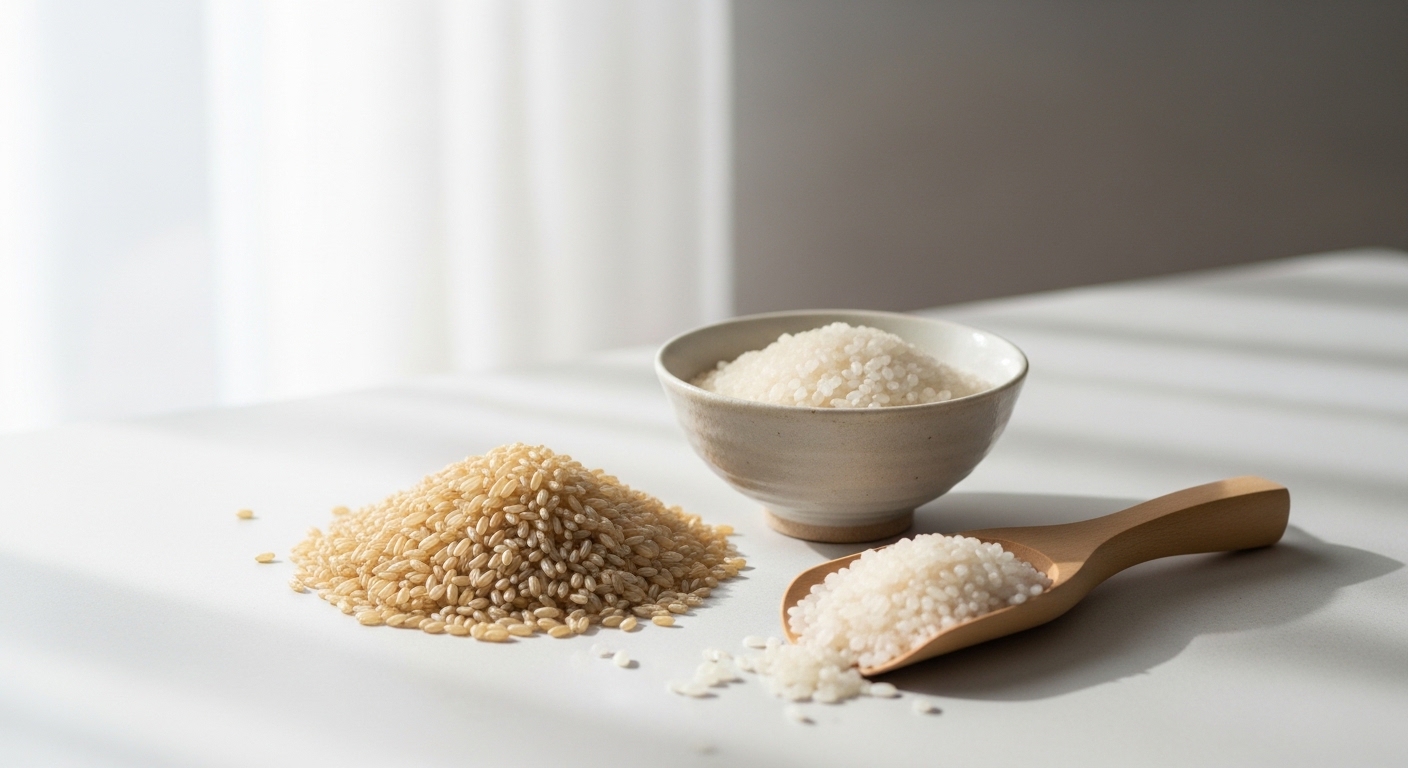
How Freshly Milled Rice Changes the Everyday Meal
Freshly milled rice does not transform a meal in a dramatic way. It changes it quietly. The aroma feels a little clearer, the texture feels a little more alive, and the whole meal can seem more grounded. For something as ordinary as rice, that small shift can matter more than it first appears.
In a Japanese-inspired kitchen, rice is not just another carbohydrate on the plate. It often shapes the rhythm of the meal itself. When the rice feels clean, fragrant, and satisfying, miso soup feels more complete, pickles make more sense, and even a very simple meal can feel settled.
That is why freshly milled rice can be so appealing. It is not about turning dinner into a performance. It is about bringing one everyday staple a little closer to freshness, simplicity, and care.
In this article
- What freshly milled rice actually means at home
- How milling changes aroma, texture, and meal atmosphere
- Why brown rice and home milling can work well together
- Who a home rice mill makes sense for
- A few simple staples that support a fresher rice habit
- What freshly milled rice means in everyday life
- Why the taste and texture feel different
- Brown rice is part of the story
- Why this matters in a Japanese-inspired kitchen
- Who a home rice mill makes sense for
- What changes in the everyday meal
- My own perspective on freshly milled rice
- Recommended Fresh Milling Basics
- Final Thoughts
What freshly milled rice means in everyday life
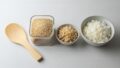
Freshly milled rice simply means rice that has been polished closer to the time you cook it. Instead of buying only fully milled white rice and storing it for long periods, you begin with brown rice and mill smaller amounts at home as needed.
This changes your relationship with the ingredient. Rice starts to feel less like a generic pantry staple and more like something living, seasonal, and worth paying attention to. That may sound subtle, but in a home kitchen, subtle things often have the longest staying power.
In the same way freshly ground coffee or properly stored tea can feel more vivid, freshly milled rice often feels more present. Not louder. Just more itself.
Key point
Fresh milling is not about making rice more complicated. It is about bringing rice a little closer to freshness and timing.
Why the taste and texture feel different
One of the first things many people notice is aroma. Freshly milled rice often smells softer but clearer, especially once steam rises from the bowl. The scent can feel cleaner and less flat than rice that has already been milled and stored for a long time.
The texture can shift too. Depending on the degree of milling, rice may feel more delicate, slightly sweeter, or more balanced in the mouth. Even when the difference is hard to describe exactly, it often changes how the whole meal comes together.
That is part of why rice matters so much in Japanese home cooking. Because rice sits quietly at the center of the meal, even a small change in its quality can affect everything around it.
Fresh rice changes the mood of the table
This is the part that is easiest to miss if you think only in technical terms. Freshly milled rice does not just improve rice. It often changes the feeling of the meal. A bowl of rice, soup, and a few simple side dishes can suddenly feel more intentional, even when nothing else is elaborate.
That quality matters if you are trying to build a calmer way of eating at home. Better meals are not always more complex meals. Sometimes they are simply meals where the basics feel more alive.
Brown rice is part of the story
Fresh milling begins with brown rice, which is one reason it can feel like a more thoughtful way to keep rice at home. You are not locked into one finish or one texture. You can choose what feels right for your meals and your routine.
Some days, fully milled white rice feels best. On other days, lightly milled rice may feel more satisfying. This flexibility makes home milling appealing for people who do not want food to become rigid.
It also means that brown rice becomes practical, not symbolic. Instead of treating it as an all-or-nothing health food, you keep it as the starting point. From there, you decide what kind of rice you want today.
A gentler approach
Brown rice does not have to be the final destination. It can simply be the starting place that gives you more choice at home.
Why this matters in a Japanese-inspired kitchen
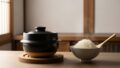
One of the quiet strengths of Japanese home meals is that they often rely on a few stable elements rather than constant novelty. Rice, soup, vegetables, small proteins, and fermented foods each play a role. When the rice is good, the entire structure feels steadier.
Freshly milled rice supports that structure in a very natural way. It does not ask you to reinvent your kitchen. It simply improves something you are already eating. That is one reason it fits so well with a longevity-minded way of living. Not because it is a miracle ingredient, but because it supports a pattern you can actually keep.
There is also something deeply satisfying about handling rice with a little more care. Milling smaller amounts, storing it well, and cooking it at the right moment makes the meal feel less automatic and more rooted.
Who a home rice mill makes sense for
A home rice mill is not necessary for everyone. If you eat rice only occasionally, it may be more tool than you need. But for people who already build many meals around rice, it can be one of those rare kitchen tools that changes daily life in a meaningful way.
It tends to make the most sense if:
You eat rice several times a week
The more regularly rice appears at your table, the more likely you are to notice and appreciate the difference.
You like the idea of flexibility
Being able to choose between whiter rice and more lightly milled rice can make the ingredient feel more adaptable and less fixed.
You care about ordinary meals
This may be the biggest one. A home rice mill is not really for spectacle. It is for people who want everyday food to feel a little better.
You prefer quiet upgrades over constant newness
Fresh milling is not a trendy trick. It is the kind of small improvement that quietly rewards repetition.
What changes in the everyday meal
Once fresh milling becomes part of your routine, the difference is rarely dramatic from one day to the next. But over time, a few things tend to change.
The meal feels more centered
Rice begins to feel less like filler and more like the gentle anchor of the meal.
Simple dishes feel more complete
Miso soup, grilled fish, tofu, pickles, greens, or tamagoyaki can all feel more satisfying beside rice that tastes fresh and well cared for.
You may become less interested in overcomplicating meals
When the staples themselves feel good, you often need less stimulation from sauces, snacks, or extra processed convenience foods.
The kitchen rhythm becomes calmer
Buying brown rice, milling smaller portions, and cooking with more intention can make the kitchen feel more orderly and grounded.
Key point
Freshly milled rice changes more than flavor. It changes the role rice plays in the emotional texture of everyday eating.
My own perspective on freshly milled rice
What I like most about fresh milling is not that it makes meals feel more impressive. It makes them feel quieter and more complete. There is something very reassuring about beginning with brown rice, milling what you need, and letting the meal build from there.
I also like that it creates room for choice without turning food into a system of rules. Some meals want softer white rice. Some days feel better with a little more texture. Fresh milling lets rice stay flexible while still keeping the kitchen simple.
That is the kind of change I trust most in a home kitchen: not a dramatic transformation, but a better everyday standard.
Recommended Fresh Milling Basics
If you want to explore fresh milling at home, these are the kinds of tools and staples that make the most sense to me. The goal is not to buy everything at once, but to choose the few things that support a steadier rice habit.
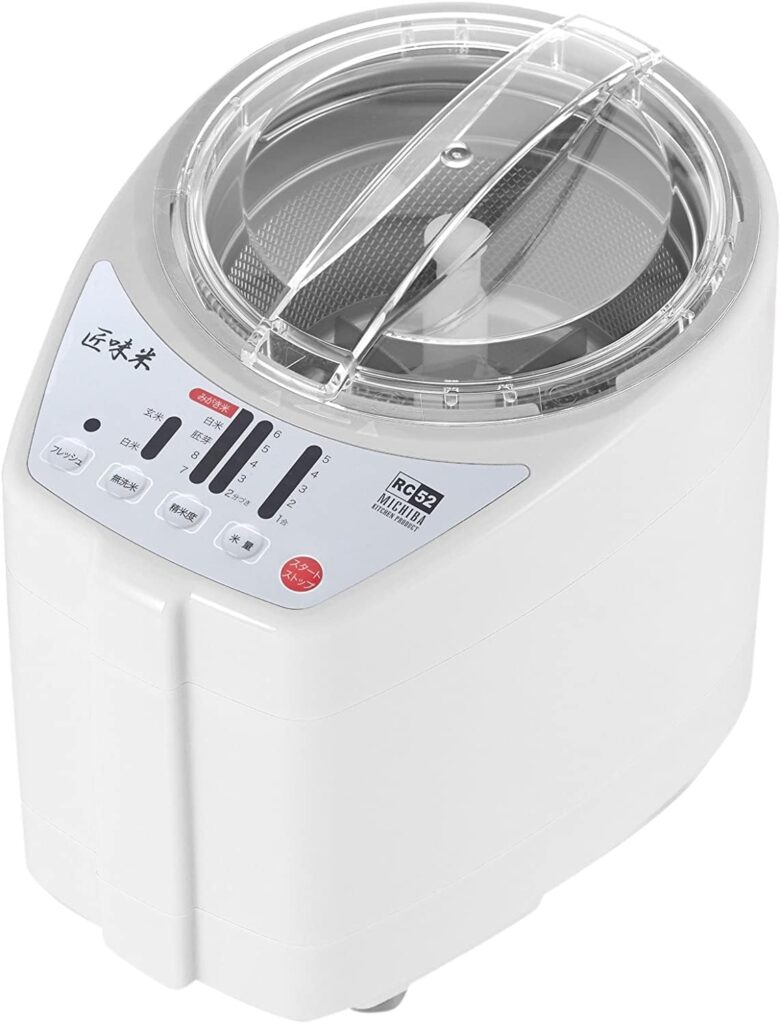
Compact home rice mill
A practical option if you want to start with brown rice and mill smaller amounts at home. Especially useful if rice is already part of your regular routine.
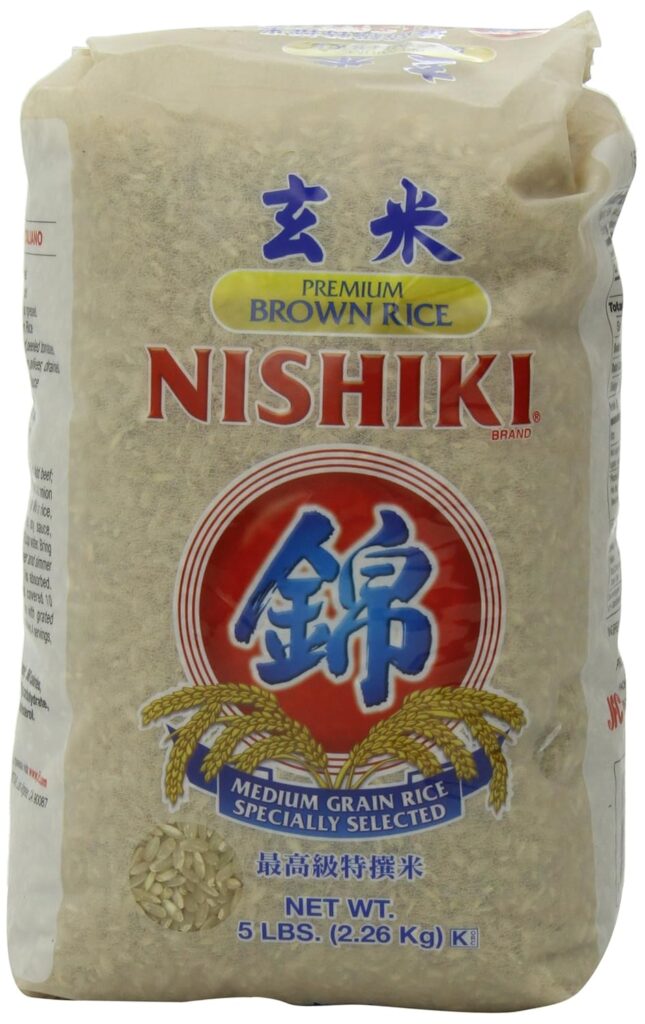
Japanese brown rice
A good starting point if you want to keep brown rice at home and mill only what you need for the week.
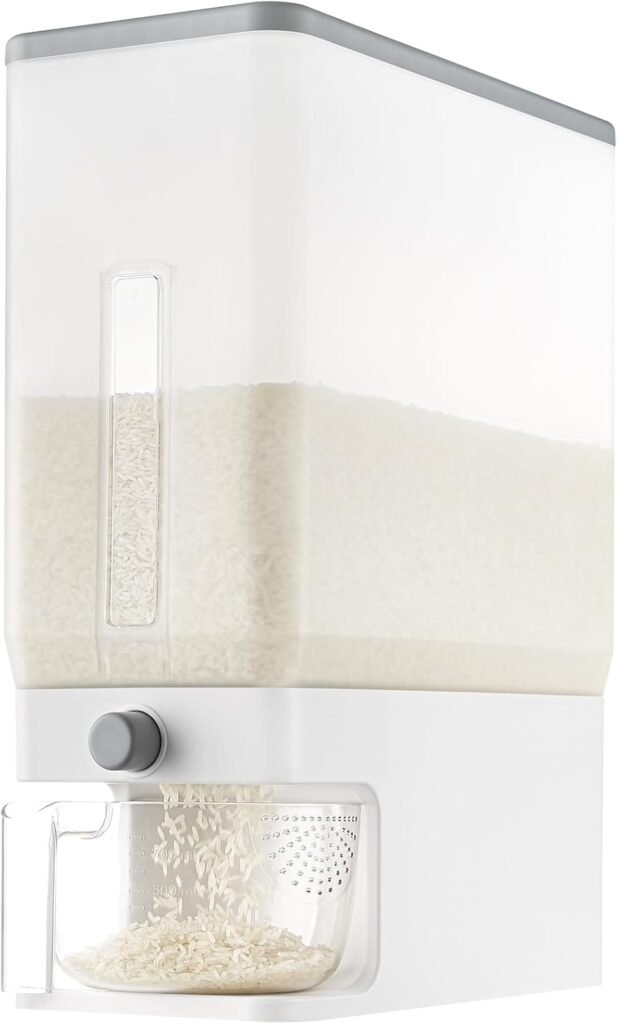
Rice storage container
A simple but useful support tool if rice is something you keep regularly at home. Good storage helps protect freshness.
A note on recommendations
I prefer to recommend only a small number of tools and staples that fit naturally into a calm home kitchen. The goal is not to buy more for the sake of it, but to support better everyday habits with a few thoughtful choices.
Final Thoughts
Freshly milled rice may seem like a small thing, but small things often shape daily life most deeply. When rice feels fresher, softer, and more alive, the whole meal can feel more rooted. And when the meal feels more rooted, it becomes easier to eat in a calmer, steadier way.
That is what draws me to fresh milling. It does not promise perfection. It simply makes one of the most ordinary parts of home cooking feel better, again and again.
Related reading on The Zen Longevity
- A Japanese Perspective on Better Rice at Home: Fresh Milling, Simplicity, and Everyday Meals
- The Japanese Breakfast for Longevity: What a Balanced Morning Meal Looks Like
- Japanese Pantry Essentials for a Calm, Healthy Kitchen
- Miso Soup Every Day? What This Japanese Habit Can Teach Us About Simple Nutrition
コメント