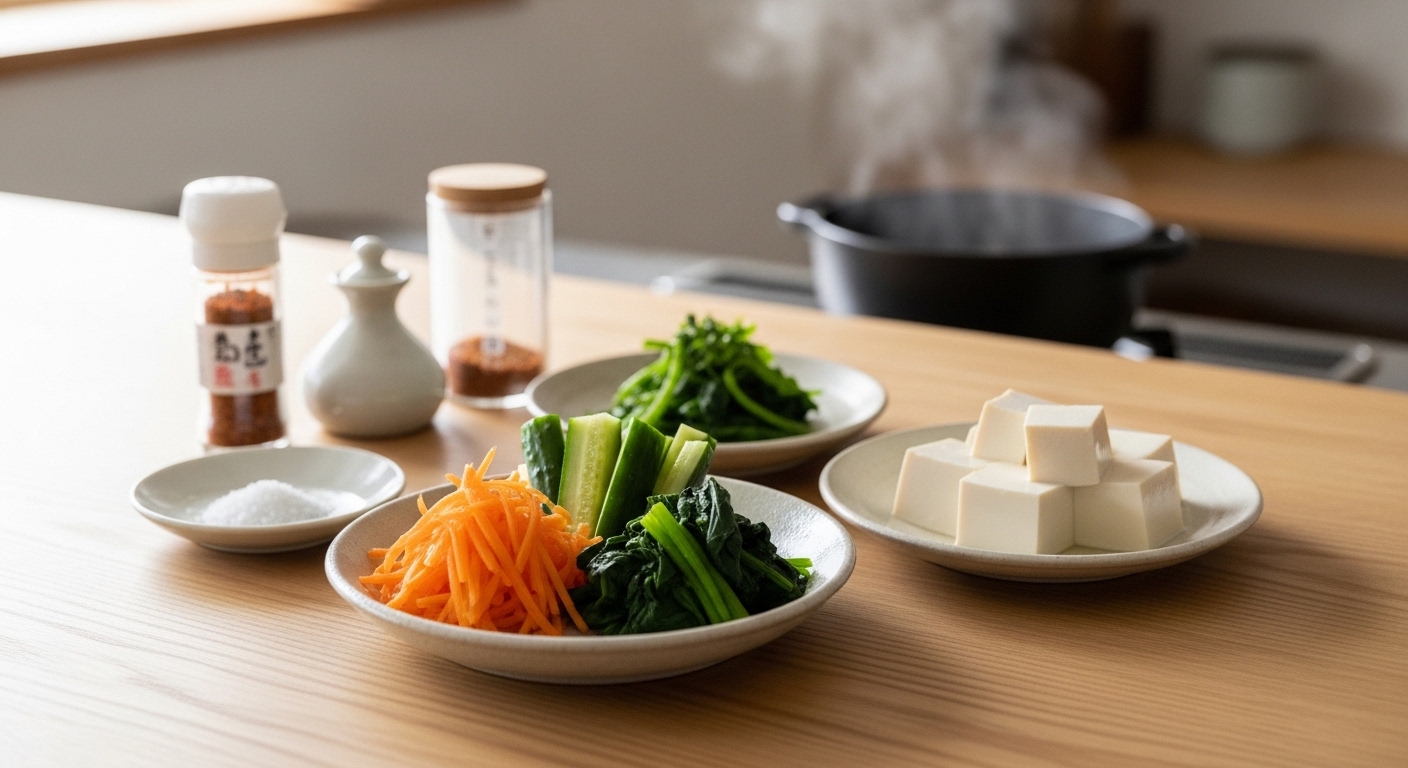
How Japanese Home Cooking Supports Healthy Aging
Japanese home cooking is often gentle, repetitive, and deeply practical. It is not built around perfection or dramatic nutrition claims. Instead, it relies on small meals, simple ingredients, broth-based dishes, seasonal vegetables, fermented foods, rice, tea, and a rhythm of eating that feels steady enough to continue over time.
When people talk about Japanese longevity, they often focus on individual foods such as green tea, miso, seaweed, or fish. Those foods matter, but the larger pattern may matter even more. In many Japanese kitchens, healthy aging is not approached as a special project. It is woven into ordinary meals that are modest, balanced, and easy to repeat.
This is one reason Japanese home cooking feels so useful as a model. It is not only about nutrients. It is also about rhythm, portion, flexibility, and the quiet skill of making simple food feel satisfying. A bowl of miso soup, a little rice, tofu, vegetables, tea, and a small side dish may not look dramatic, but over time, this kind of meal pattern can be remarkably supportive.
In this article
- What makes Japanese home cooking feel supportive rather than restrictive
- How soup, rice, vegetables, and fermented foods work together
- Why Japanese meals often feel balanced without being complicated
- What this style of cooking may teach us about healthy aging
- A few gentle kitchen staples to begin with
- Japanese Home Cooking Is Built for Repetition
- Small Balanced Meals Often Matter More Than Big Ideas
- Fermented Foods and Pantry Staples Make Everyday Cooking Easier
- Home Cooking Supports Moderation Without Feeling Strict
- What This Teaches Us About Healthy Aging
- Do You Need to Cook Japanese Food Every Day to Learn From It?
- A Gentle Way to Begin
- Recommended Japanese Home Cooking Basics
- Final Thoughts
Japanese Home Cooking Is Built for Repetition
One of the most useful things about Japanese home cooking is that it is designed for ordinary life. Meals do not need to be impressive every day. They need to be realistic, nourishing, and calm enough to make again tomorrow. This is a very different mindset from diets or health plans that depend on constant novelty or strict control.
In many homes, the same core ingredients appear again and again: rice, miso, tofu, eggs, seasonal vegetables, fish, seaweed, tea, and basic pantry seasonings. The combinations change, but the structure remains familiar. That familiarity lowers effort. It also makes it easier to maintain a steadier relationship with food over time.
Healthy aging often depends less on doing something intense for a short period and more on building a style of eating that feels sustainable. Japanese home cooking supports that kind of sustainability very well.
Key point
Japanese home cooking supports healthy aging partly because it is realistic. It is based on meals simple enough to repeat again and again.
Small Balanced Meals Often Matter More Than Big Ideas
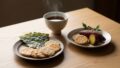
A typical Japanese home-cooked meal often includes a few modest components rather than one oversized dish. There may be rice, soup, a protein such as fish or tofu, and one or two small side dishes. This creates balance almost automatically. Warmth, moisture, savoriness, protein, and vegetables are spread across the meal instead of being forced into one “perfect” food.
This pattern can make meals feel both lighter and more satisfying. A bowl of soup may slow the pace of eating. Rice provides a neutral base. Pickles or vegetables add contrast. Tea extends the meal quietly. Nothing has to be huge to feel complete.
That structure may be one reason Japanese meals often feel grounding. The goal is not maximal stimulation. It is enoughness.
Soup helps create calm structure
Miso soup and other light broths are central to Japanese home cooking because they make simple meals feel more nourishing. A little broth can soften the whole tone of a meal and make modest ingredients feel more complete.
Rice works as a quiet base
Steamed rice is plain, but that plainness is useful. It creates balance around stronger flavors like miso, soy-based dishes, grilled fish, or pickled vegetables.
Small side dishes build variety gently
Japanese meals often include small additions rather than large extras. A little seaweed, tofu, spinach, mushrooms, or pickled vegetables can create variety without turning the meal into a project.
Key point
Japanese meals often feel balanced because nourishment is spread across several small, simple dishes rather than concentrated into one heavy plate.
Fermented Foods and Pantry Staples Make Everyday Cooking Easier
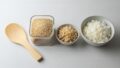
Another strength of Japanese home cooking is that many supportive ingredients are pantry-friendly. Miso, soy sauce, seaweed, tea, rice, dried mushrooms, kombu, and other basics can sit quietly in the kitchen and make ordinary meals easier to build.
Fermented foods are especially important here. Miso and pickled vegetables appear naturally in many meals, and they bring depth without much effort. These foods are not usually treated as special “functional foods.” They are just part of daily cooking.
This matters because the best healthy habits are often the ones that do not feel like separate habits at all. When useful ingredients are already part of the kitchen, balanced meals become easier to prepare without much decision-making.
Home Cooking Supports Moderation Without Feeling Strict
Japanese home cooking often encourages moderation, but it does so quietly. It does not usually depend on dramatic restriction. Instead, moderation comes from meal structure, portion size, cooking style, and the fact that flavors tend to be balanced rather than aggressively engineered.
A meal with rice, soup, vegetables, and fish may be deeply satisfying without the intense sweetness, heaviness, or overstimulation that can make it easy to overeat processed foods. This does not mean Japanese food is perfect, but it does show a useful principle: food can be comforting and flavorful without always needing to be excessive.
That principle can be especially helpful over time. Meals that feel stable and satisfying are often easier to live with than meals built around constant willpower.
Key point
Japanese home cooking often supports moderation not through harsh rules, but through meal structure, simpler flavors, and foods that feel satisfying without excess.
What This Teaches Us About Healthy Aging
Healthy aging is often discussed as though it depends on individual superfoods or highly optimized routines. Japanese home cooking suggests something gentler. It suggests that supportive eating may come more from pattern than from intensity.
That pattern includes a few recurring ideas: warm meals, small portions, simple ingredients, fermentation, vegetables, fish or soy-based protein, tea, and a kitchen rhythm that values repeatability. None of these things alone explains longevity. Together, however, they create a style of eating that is both modest and resilient.
This style may also support a healthier emotional relationship with food. Meals are not always treated as reward or punishment. They are just part of daily life. That ordinariness can be powerful.
Do You Need to Cook Japanese Food Every Day to Learn From It?
Not at all. The value is not in copying every detail. The value is in understanding the structure underneath the meals. You might begin by adding miso soup to your lunch, keeping tea in place of a sweeter drink, using rice and vegetables more often, or building one small side dish into dinner.
Even small changes can shift the feel of the kitchen. A calmer pantry, a reliable broth, and a few repeatable ingredients often do more than a long list of health rules that never become real habits.
Japanese home cooking is useful because it is adaptable. You do not need a perfect traditional meal. You only need a few principles you can actually live with.
A Gentle Way to Begin
If you want to borrow from Japanese home cooking, start with the easiest pattern possible. Build one meal around soup, rice or another steady base, a simple protein, and one vegetable or fermented side. Keep a few supportive staples on hand so the meal does not require too much effort.
You might begin with white miso, dashi packets, seaweed, green tea, and simple bowls. Or you might start with just miso soup and rice a few times a week. The point is not authenticity for its own sake. It is to learn how a calmer style of eating feels in your own life.
Recommended Japanese Home Cooking Basics
These are a few gentle staples that make it easier to build a more balanced, Japanese-inspired kitchen rhythm at home.
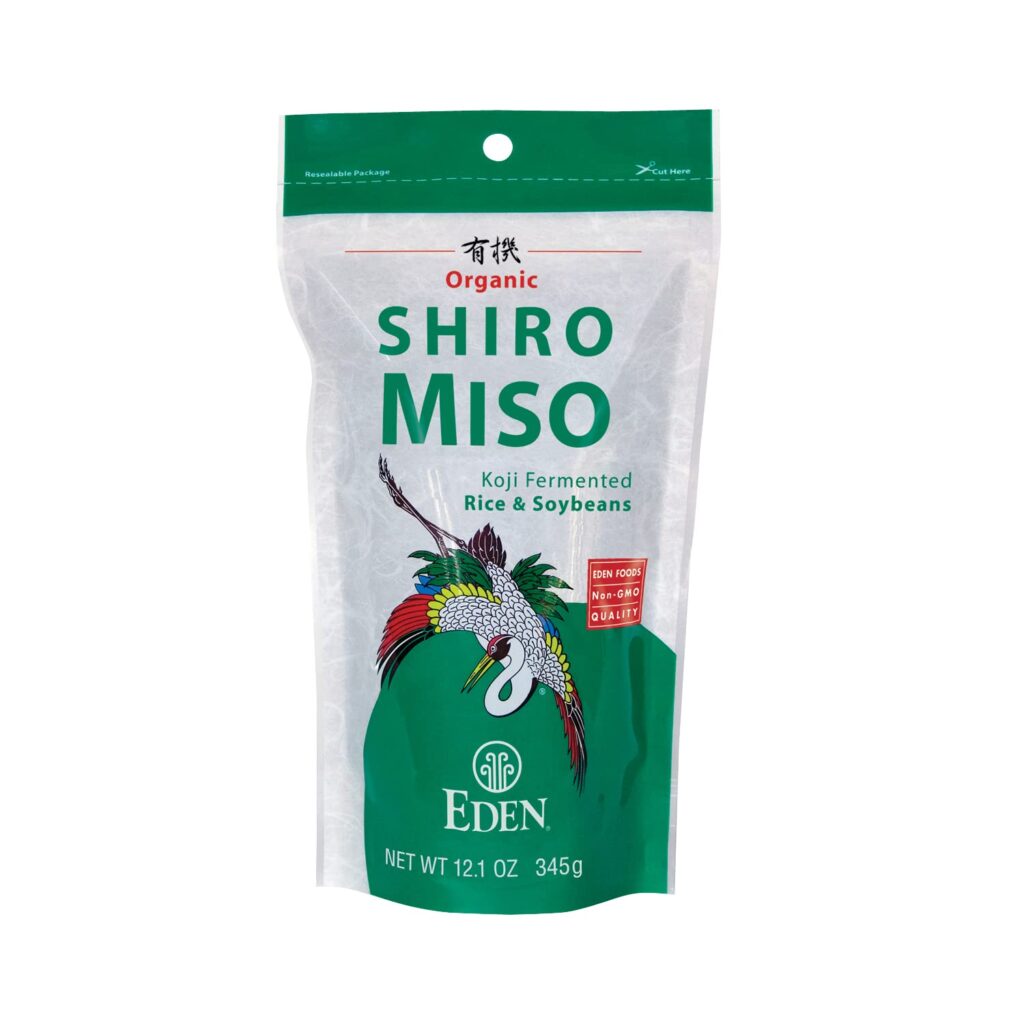
White Miso Paste
A gentle everyday staple for soups, dressings, and simple home-cooked meals with more warmth and depth.

Shio Koji
A quiet Japanese seasoning that adds softness and savory depth to vegetables, fish, tofu, and simple everyday cooking.
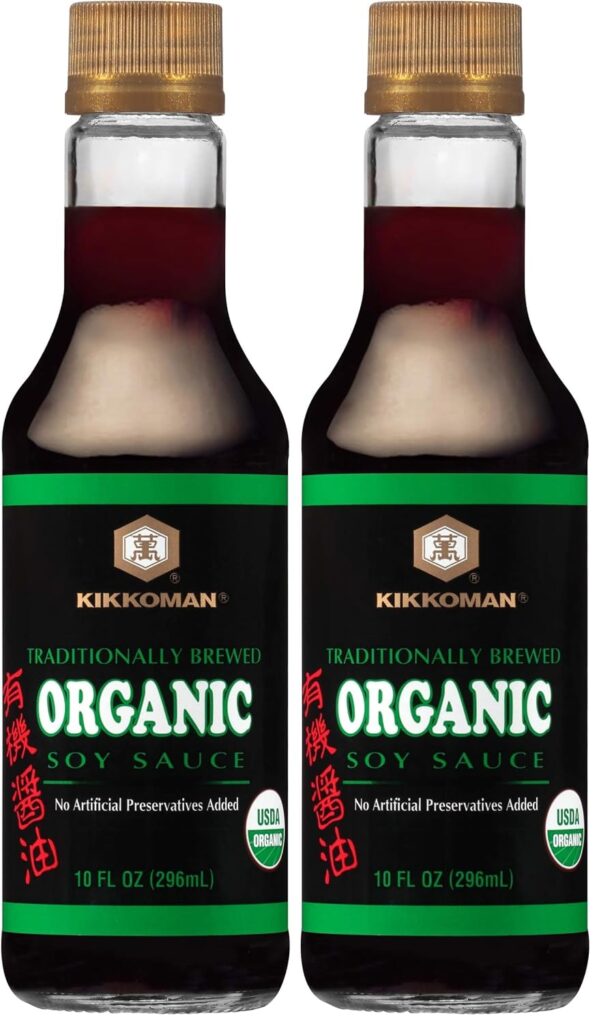
Naturally Brewed Soy Sauce
A foundational pantry staple that helps simple vegetables, rice dishes, and home-cooked meals feel more complete.
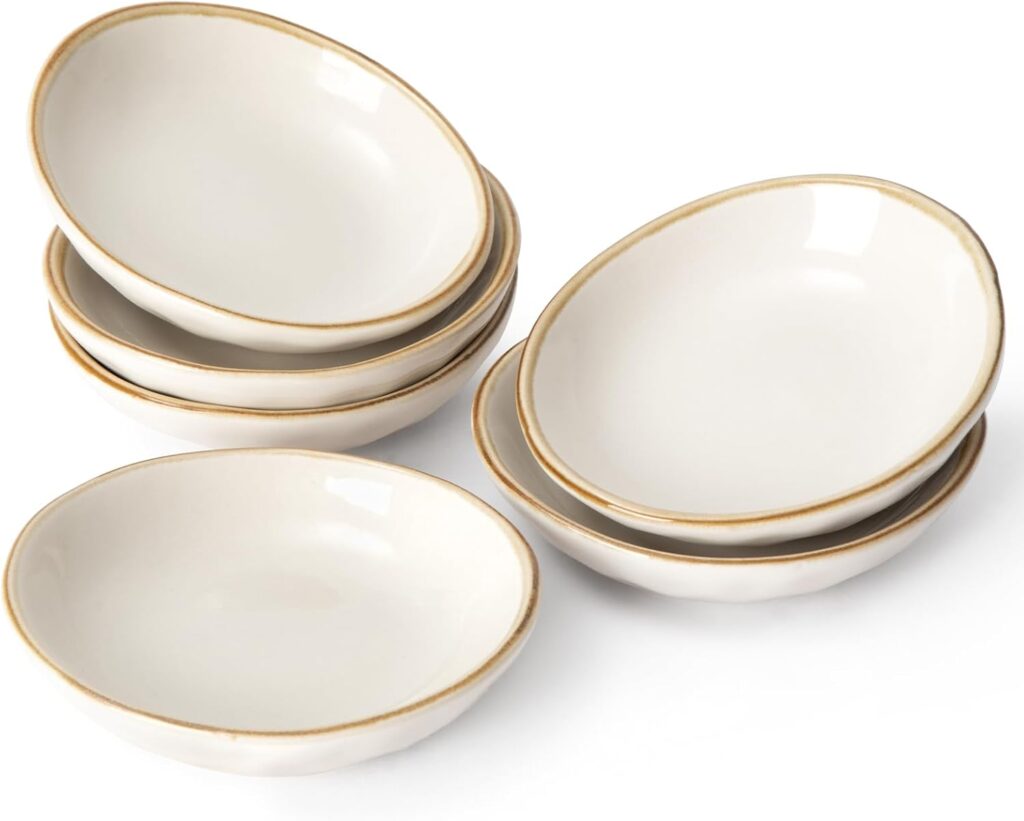
Simple Japanese Side Dish Plates
A small everyday detail, but simple side plates can make home cooking feel calmer, more balanced, and easier to repeat.
A note on recommendations
These suggestions are not meant to turn home cooking into a shopping project. They are simply a few gentle basics that make it easier to build a more balanced and repeatable kitchen rhythm.
Final Thoughts
Japanese home cooking supports healthy aging not because it promises perfection, but because it offers a realistic pattern: warm meals, simple ingredients, small portions, and a kitchen built for repetition. It is not dramatic, but it is deeply practical.
That practicality may be one of its greatest strengths. When food is gentle enough to prepare regularly, varied enough to stay satisfying, and balanced enough to support everyday life, it becomes easier to imagine continuing it for years.
If you are looking for a calmer way to eat, Japanese home cooking offers one of the clearest lessons in longevity: the meals that support us best are often the ones simple enough to become part of ordinary life.
Related reading on The Zen Longevity
- What Is Dashi? A Gentle Introduction to Japan’s Most Important Kitchen Staple
- The Japanese Breakfast for Longevity: What a Balanced Morning Meal Looks Like
- Miso Soup Every Day? What This Japanese Habit Can Teach Us About Simple Nutrition
- Japanese Pantry Essentials for a Calm, Healthy Kitchen
- The Japanese Longevity Diet: Principles Behind Everyday Healthy Aging
コメント