The Japanese Breakfast for Longevity: What a Balanced Morning Meal Looks Like
A traditional Japanese breakfast is not built around trends or strict nutrition rules. It is often a quiet combination of small, balanced foods: rice, miso soup, fish, tofu, pickles, vegetables, and tea. More than a perfect menu, it reflects a way of eating that feels steady, moderate, and easy to repeat.
For many people outside Japan, breakfast can easily become sweet, rushed, or overly processed. A Japanese-style breakfast offers a different rhythm. Instead of relying on one dominant food, it often brings together a few simple dishes that complement each other: something warm, something savory, something lightly fermented, and something gentle enough to start the day without heaviness.
This does not mean everyone in Japan eats a traditional breakfast every morning, nor does it mean there is a single ideal version. But the pattern itself is useful. It shows how a morning meal can support calm energy, variety, and satisfaction without needing to be elaborate. If you are interested in longevity, this kind of breakfast is one of the clearest examples of how everyday food habits may matter more than extremes.
In this article
- What a balanced Japanese breakfast often includes
- Why this morning pattern feels supportive rather than restrictive
- How miso soup, rice, protein, and small side dishes work together
- What this style of eating may teach us about healthy aging
- A few gentle breakfast staples to begin with
- What Does a Japanese Breakfast Usually Look Like?
- Why This Breakfast Pattern Feels So Balanced
- The Role of Miso Soup
- Rice, Protein, and Small Side Dishes
- What This Breakfast Teaches About Longevity
- Do You Need to Eat a Traditional Japanese Breakfast Every Day?
- A Gentle Way to Begin
- Recommended Japanese Breakfast Basics
- Final Thoughts
What Does a Japanese Breakfast Usually Look Like?
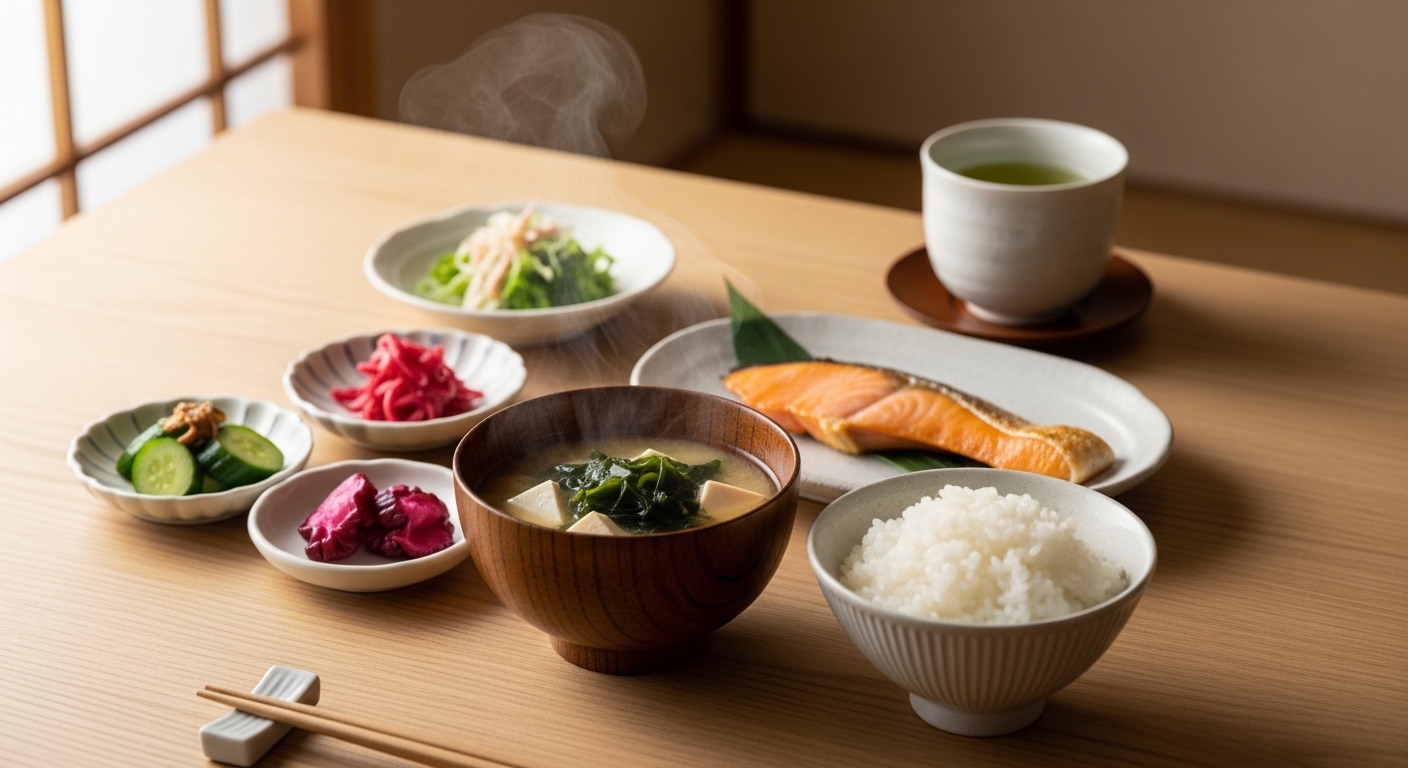
A traditional Japanese breakfast is often made up of several small parts rather than one large dish. A common pattern includes steamed rice, miso soup, a simple protein such as grilled fish or egg, and one or two small side dishes like pickles, tofu, seaweed, or lightly prepared vegetables. Tea may also appear alongside the meal or after it.
What stands out is not abundance, but balance. The meal usually includes warmth, moisture, saltiness, and texture. There is often something soft, something savory, and something fresh or fermented. Even when the portions are modest, the meal can feel complete because the components support one another.
This approach is part of why Japanese breakfasts are often associated with steadier energy. The meal is not designed to feel exciting in a dramatic way. It is designed to feel grounding and sufficient.
Key point
A Japanese breakfast is usually not one “perfect food.” It is a small balanced pattern: soup, rice, protein, and a few simple supporting dishes.
Why This Breakfast Pattern Feels So Balanced
One of the most helpful things about a Japanese breakfast is that it naturally spreads nourishment across different foods. Instead of asking one item to do everything, it creates balance through combination. Rice offers steady familiarity. Miso soup adds warmth and savoriness. Fish, tofu, or egg brings protein. Pickles, seaweed, or vegetables contribute contrast and variety.
This can make the meal feel more stable than breakfasts built mostly on sugar or refined flour. It is also easier to adjust. On busy days, the breakfast may be very simple: rice, miso soup, and tea. On other mornings, a little fish, tamagoyaki, or extra vegetables may be added. The pattern remains flexible without losing its structure.
Warm foods change the tone of the morning
Miso soup is especially important in this pattern because it makes the meal feel calm and settled. A warm bowl of soup encourages a slower start, and it can make even a modest breakfast feel more nourishing.
Small portions can still feel complete
Because several foods appear together, the meal does not need to be large to feel satisfying. This is one of the quieter lessons of Japanese eating: variety and rhythm can matter as much as volume.
The Role of Miso Soup
Miso soup is one of the most recognizable elements of a Japanese breakfast, and for good reason. It adds warmth, liquid, fermentation, and savory depth. Even a very simple version with tofu and wakame can transform a breakfast from something functional into something that feels composed.
It also pairs naturally with rice and side dishes. A bite of rice, a sip of soup, a little pickled vegetable, and a small piece of fish work together in a way that feels balanced without needing to be planned too heavily. This kind of meal flow is part of what makes Japanese breakfasts feel supportive over time.
If you want to understand the Japanese breakfast pattern, miso soup is often the easiest place to begin. It creates structure, and once it is there, the rest of the meal can remain very simple.
Key point
Miso soup often anchors the Japanese breakfast. It brings warmth, flavor, and rhythm to the meal, even when the rest is very simple.
Rice, Protein, and Small Side Dishes
Steamed rice is another quiet foundation of the Japanese breakfast. It is plain on its own, but that is part of its strength. It works as a neutral base for stronger flavors around it: miso soup, salty fish, pickles, seaweed, and soy-based side dishes. Rather than demanding attention, it helps create balance.
Protein may come from grilled fish, tofu, natto, or egg. These foods are usually prepared simply, which keeps the breakfast feeling light but steady. A small portion is often enough because it appears alongside other foods rather than acting as the only source of satisfaction.
The side dishes matter too. Pickled vegetables add brightness and contrast. Seaweed adds texture and minerals. A little tofu can make the breakfast feel softer and more nourishing. The result is a meal that feels layered without becoming heavy.
Why fermented foods fit naturally here
Japanese breakfasts often include lightly fermented elements, whether through miso, pickles, or natto. This does not have to be turned into a health claim to be meaningful. It is simply part of a food culture in which preserved and fermented foods have long been woven into daily meals.
What This Breakfast Teaches About Longevity
The idea of a “longevity breakfast” can sound overly ambitious, but the Japanese example is actually quite modest. It teaches that a morning meal does not have to be optimized in a dramatic way to be supportive. It can be small, warm, repetitive, and still deeply useful.
This breakfast pattern reflects a few themes that appear again and again in Japanese longevity discussions: moderation, variety, and repeatability. There is no single miracle ingredient. Instead, the meal works because it gently combines several foods that can be returned to day after day.
It also suggests that feeling satisfied matters. When breakfast includes warmth, savoriness, and a little variety, it may be easier to avoid the sharp hunger or restlessness that sometimes follows a more sugary or less balanced start.
Key point
The Japanese breakfast is useful not because it is perfect, but because it is balanced, repeatable, and grounded in everyday foods.
Do You Need to Eat a Traditional Japanese Breakfast Every Day?
Not at all. The goal is not to copy Japan rigidly. The real lesson is to understand the structure. Even one or two elements can shift the tone of your morning meal. Adding miso soup to breakfast once or twice a week, choosing tea over a sweeter drink, or including a small savory side alongside your usual breakfast can already make the meal feel more balanced.
Some people may enjoy building a fuller Japanese-style breakfast on weekends and keeping things simpler on weekdays. Others may use only the basic pattern: something warm, a steady carbohydrate, a little protein, and one small flavorful extra. That is enough.
Longevity-friendly habits tend to work best when they feel sustainable. A breakfast that is too elaborate for daily life quickly becomes an idea rather than a habit.
A Gentle Way to Begin
If you want to try this style of breakfast, begin with the easiest possible version. A bowl of miso soup, a small serving of rice, and tea is already a meaningful start. Once that feels natural, you might add tofu, a little grilled salmon, a sheet of nori, or a few pickles.
You do not need a perfect tray, a complete traditional meal, or many side dishes. The point is not performance. It is to learn what it feels like to begin the day with food that is warm, steady, and quietly satisfying.
Recommended Japanese Breakfast Basics
These are a few gentle staples that make it easier to build a Japanese-style breakfast at home without overcomplicating the process.
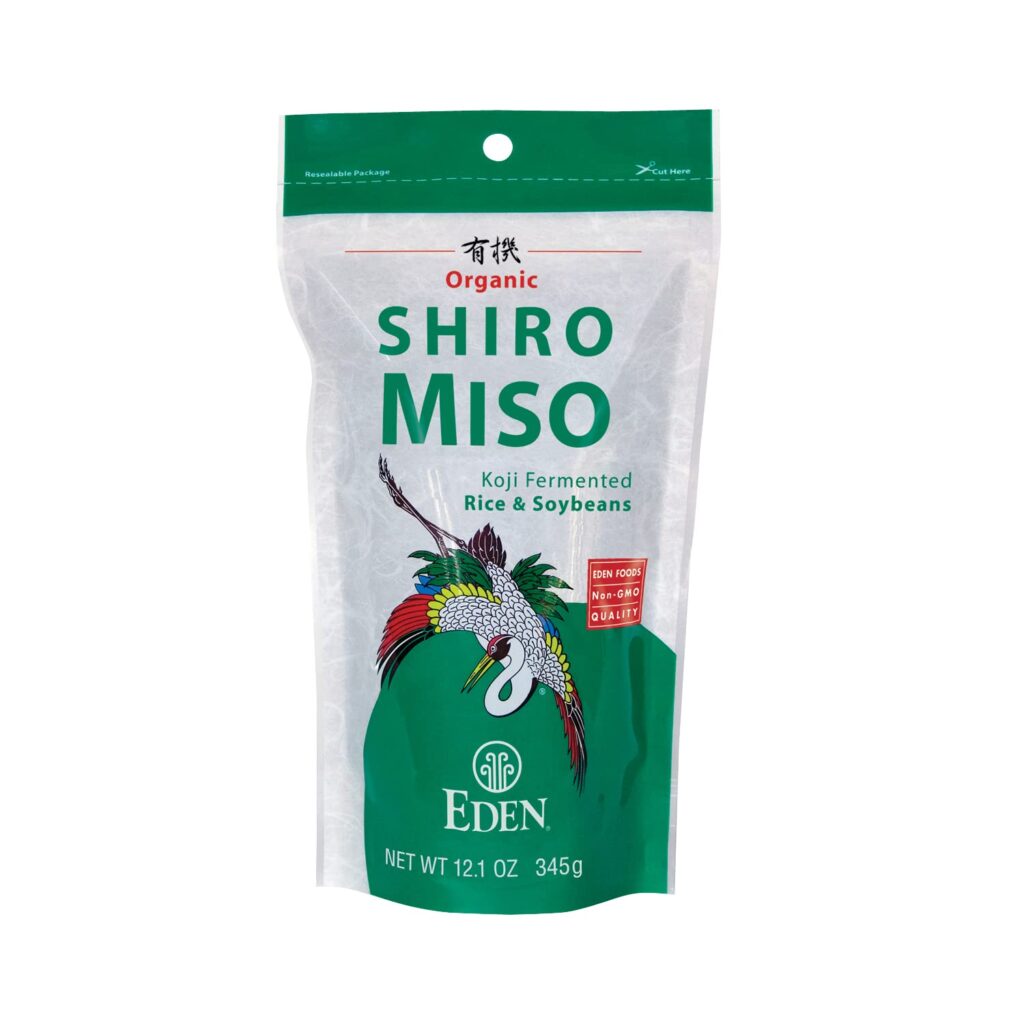
White Miso Paste
A mild, beginner-friendly miso that works beautifully in simple morning miso soup with tofu or wakame.
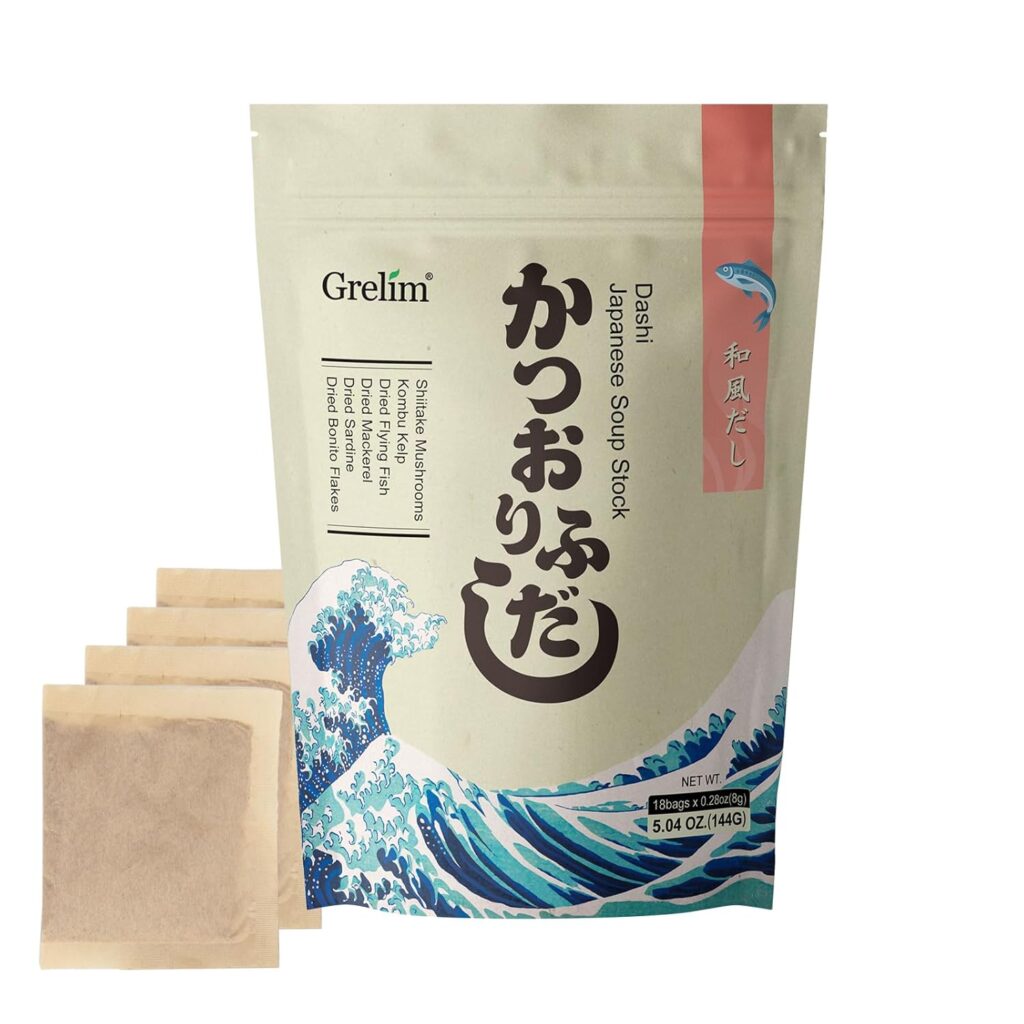
Simple Dashi Stock
An easy way to give breakfast miso soup more depth while keeping the process calm and approachable.
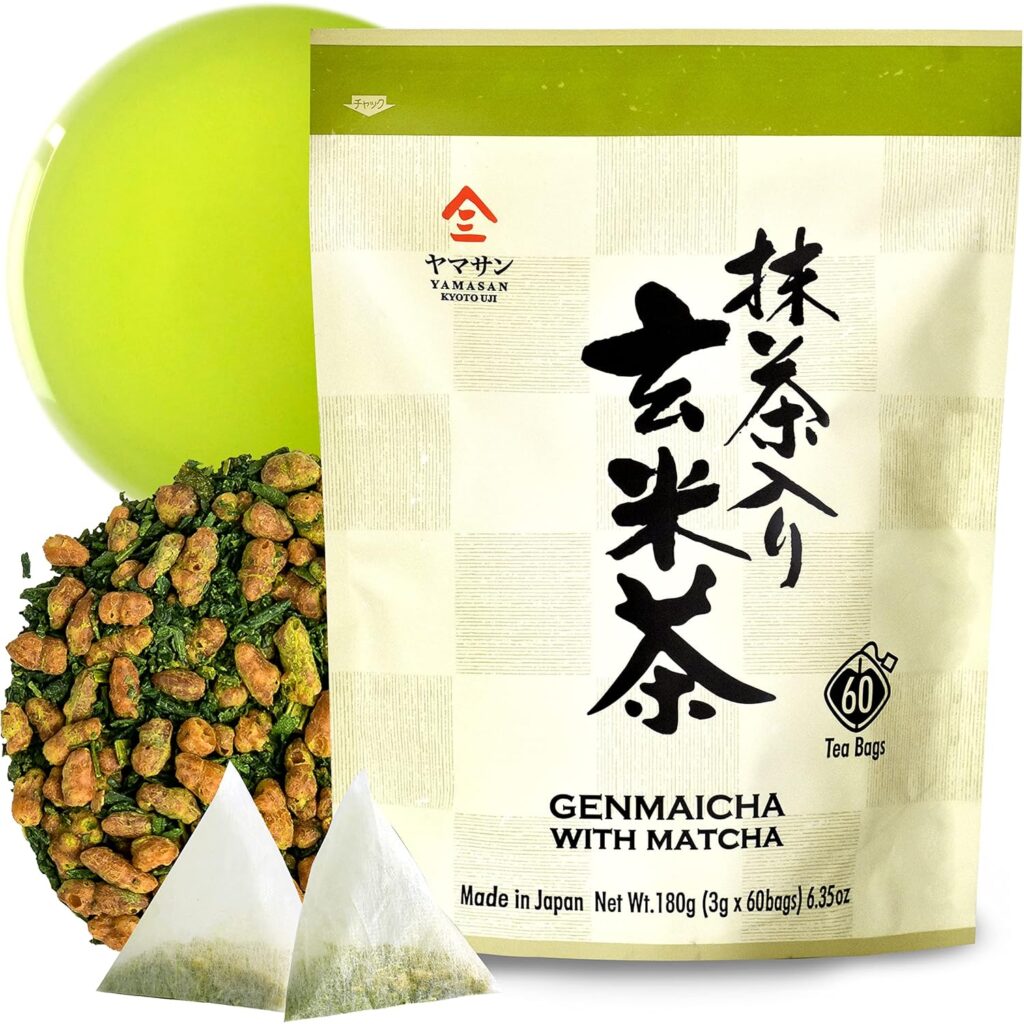
Genmaicha or Green Tea
A gentle tea option that pairs naturally with a savory breakfast and a calmer morning rhythm.
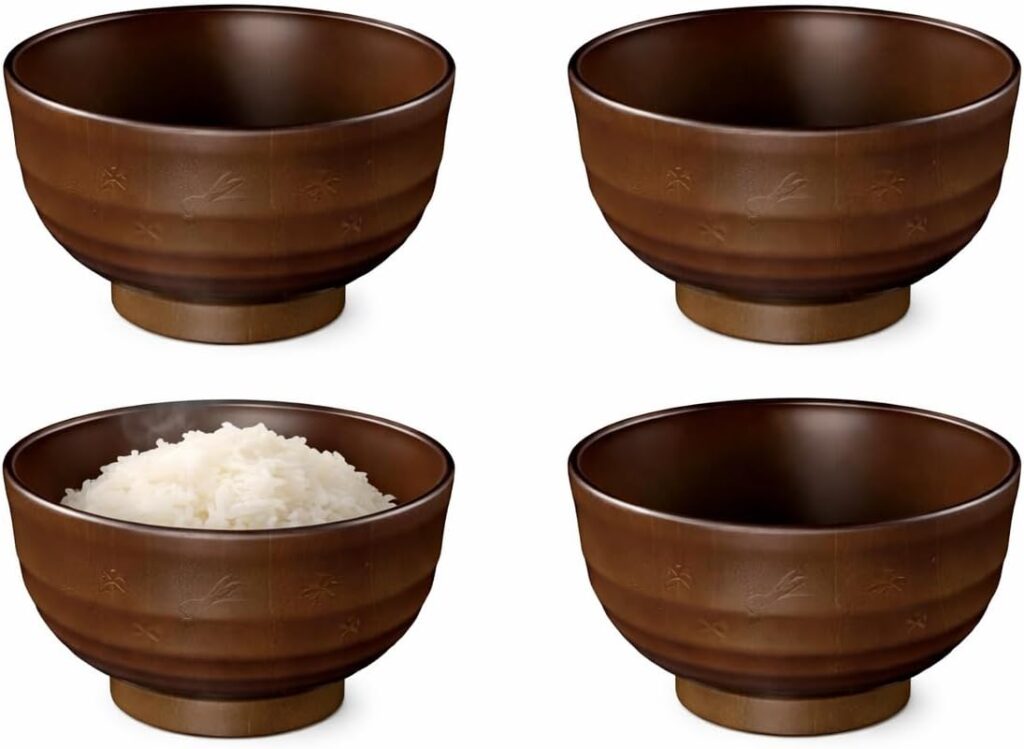
Simple Japanese Soup Bowls
A small everyday detail, but a good bowl can make a simple breakfast feel calmer and easier to repeat.
A note on recommendations
The items above are not meant to turn breakfast into a shopping project. They are simply a few gentle basics that make it easier to build a warm, repeatable morning meal.
Final Thoughts
A Japanese breakfast is not a rigid formula, and it does not need to be copied perfectly to be useful. What makes it interesting for longevity is the quiet structure underneath it: warmth, moderation, small portions, savory balance, and foods that can be repeated without strain.
In that sense, it offers something more practical than a health trend. It offers a morning rhythm. A bowl of miso soup, a little rice, a simple protein, and tea may not look dramatic, but over time, this kind of meal can feel deeply supportive.
If you are looking for a calmer way to begin the day, the Japanese breakfast is one of the gentlest and most realistic places to start.
Related reading on The Zen Longevity
- Miso Soup Every Day? What This Japanese Habit Can Teach Us About Simple Nutrition
- A Simple Guide to Japanese Miso: White, Red, and How to Use It Every Day
- What Japanese People Eat in a Typical Day: A Gentle Look at Everyday Meals in Japan
- Japanese Fermented Foods for Gut Health and Healthy Aging
- The Japanese Longevity Diet: Principles Behind Everyday Healthy Aging

コメント