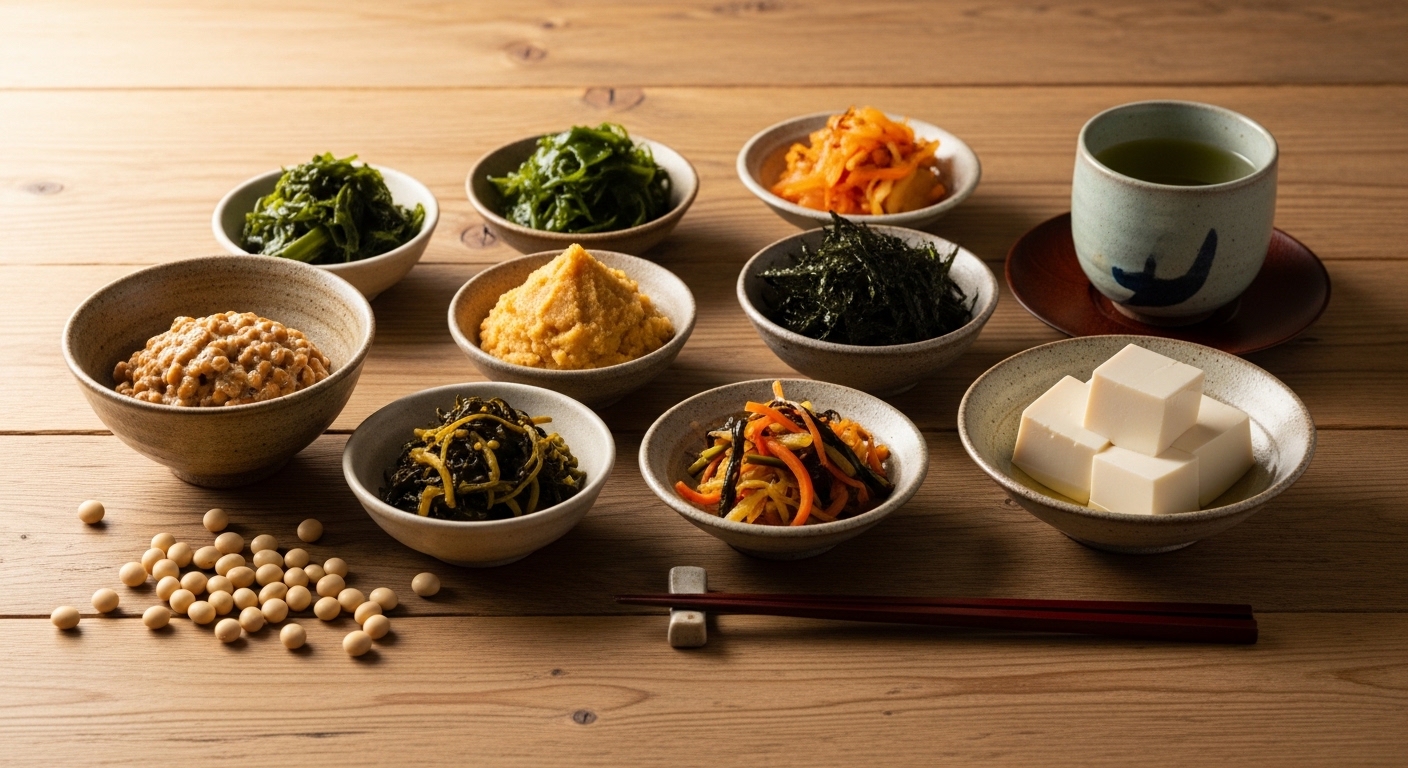
The traditional Japanese diet is often associated with longevity because it emphasizes simple, nutrient-dense foods such as fermented soy products, fish, seaweed, green tea, and minimally processed staples. Rather than relying on extreme restrictions, this way of eating supports healthy aging through balance, variety, and consistency.
In this guide, we introduce 9 Japanese foods that are commonly linked to longevity, gut health, heart health, lower inflammation, and metabolic balance. We also explain easy ways to include them in your daily routine, even if you are just getting started with Japanese food.
1. Miso
What is Miso?
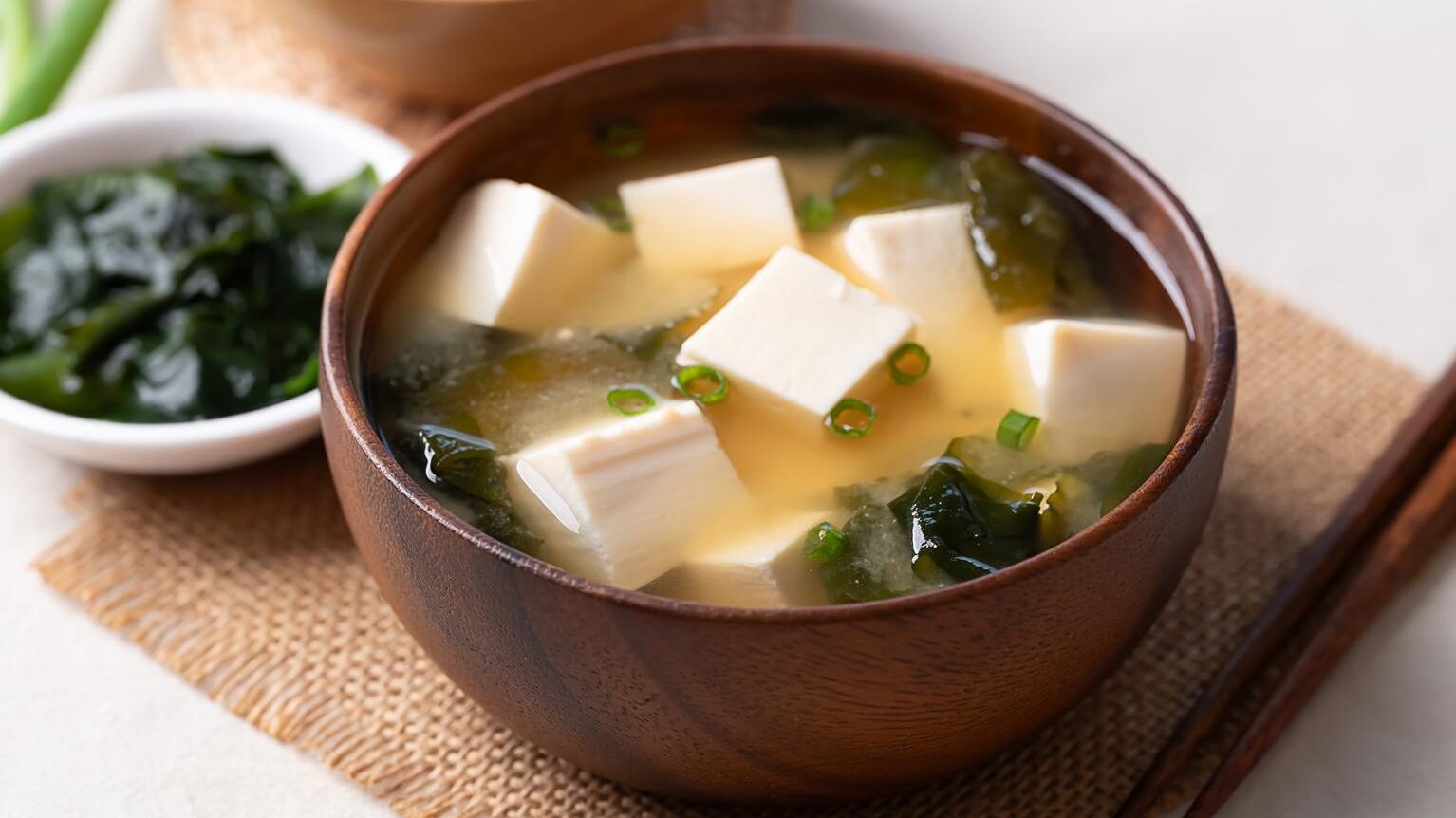
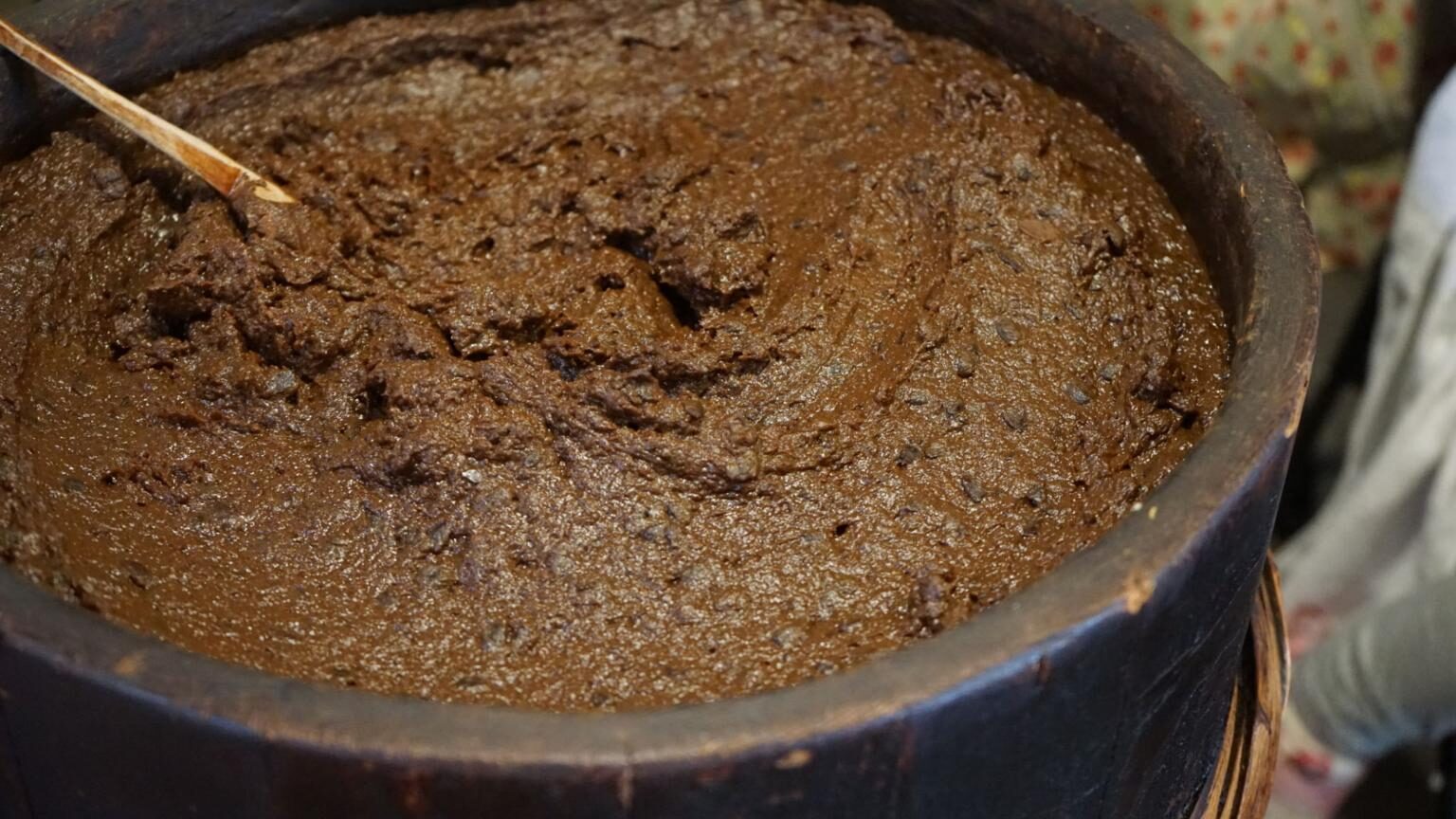
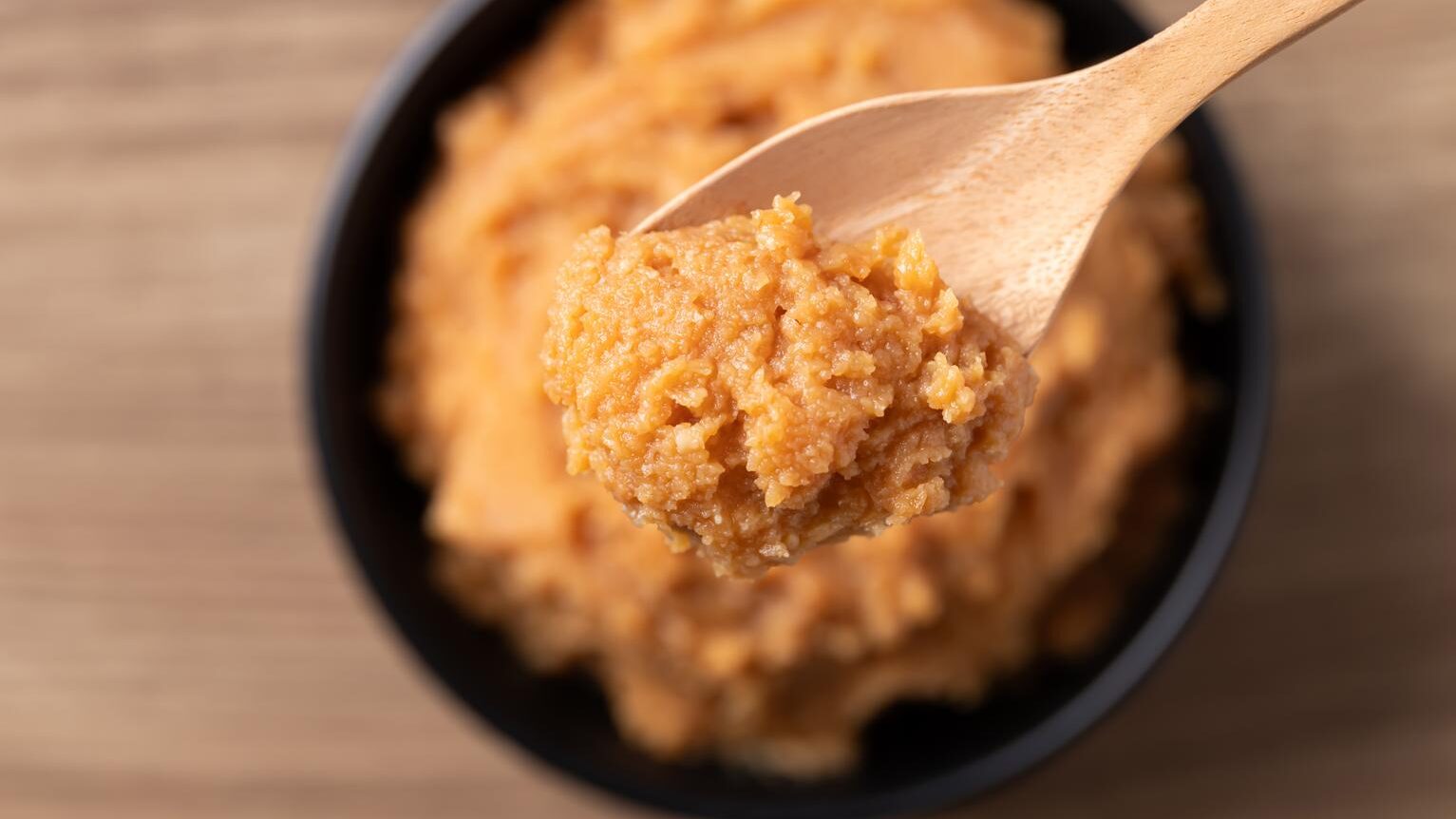
Miso is a fermented soybean paste commonly used to make miso soup.
Because it is fermented, miso contains beneficial bacteria that support gut health and digestion.
Many Japanese people drink miso soup daily, making it one of the core foods in the traditional Japanese diet.
Health Benefits
- supports gut health
- contains probiotics
- may reduce inflammation
How to Eat Miso
Miso is one of the easiest Japanese longevity foods to add to your diet. The most common way to enjoy it is as miso soup, often served with tofu, seaweed, mushrooms, or green onion. You can also use miso as a seasoning in marinades, dressings, or light sauces for vegetables and fish.
If you are new to miso, starting with one small bowl of miso soup a few times a week is a simple and realistic habit. Choosing traditionally fermented miso with minimal additives is often the best option for both flavor and nutritional value.
If you want to explore the broader connection between fermented foods and healthy aging, read our full guide to the traditional Japanese diet and longevity.
Recommended product
Organic Japanese Miso Paste
This traditional fermented miso is widely used in Japanese households and is perfect for making authentic miso soup.
Here are some popular miso products you can easily buy online.
Premium Miso
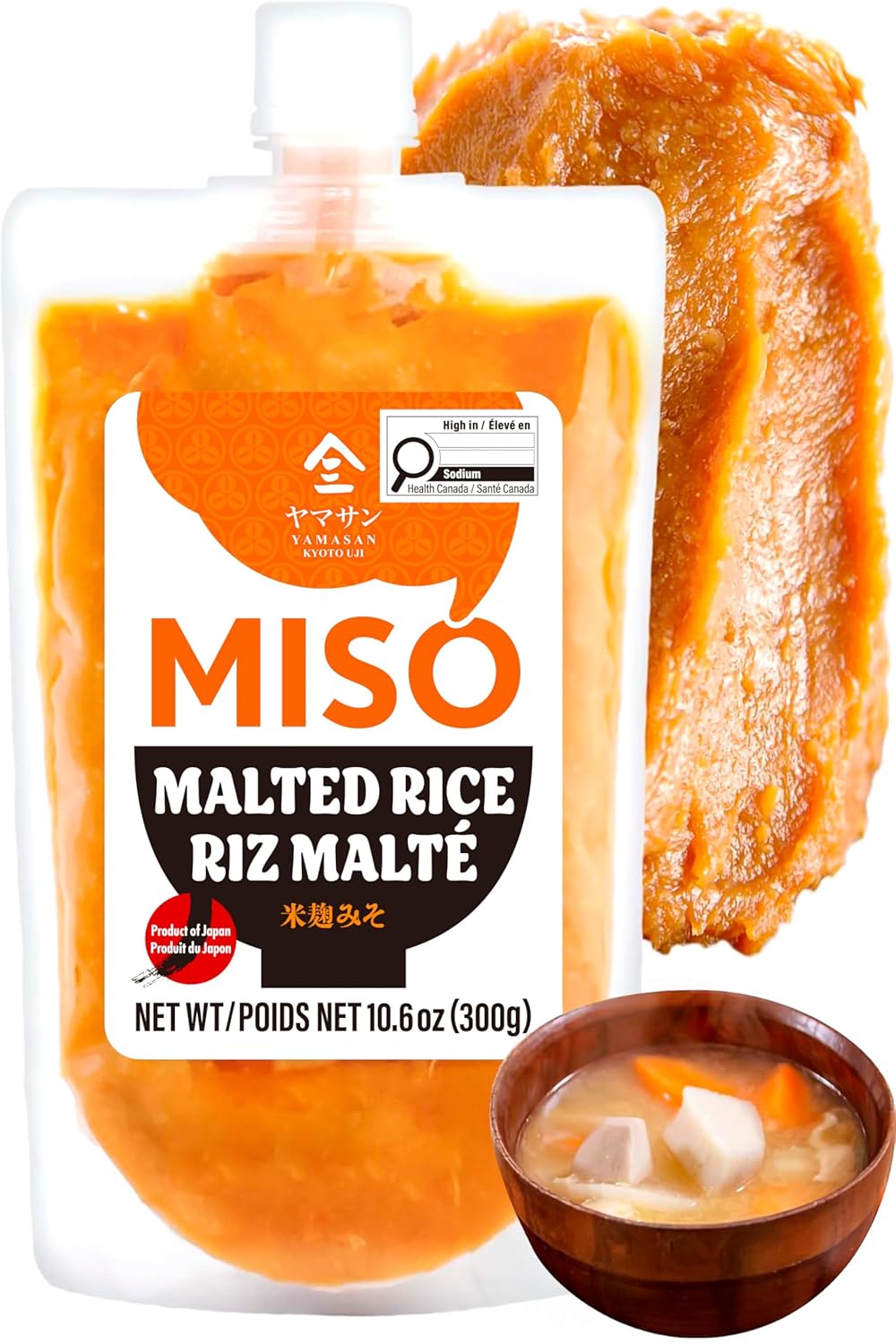
High-quality organic miso made with traditional fermentation.
Traditional Miso
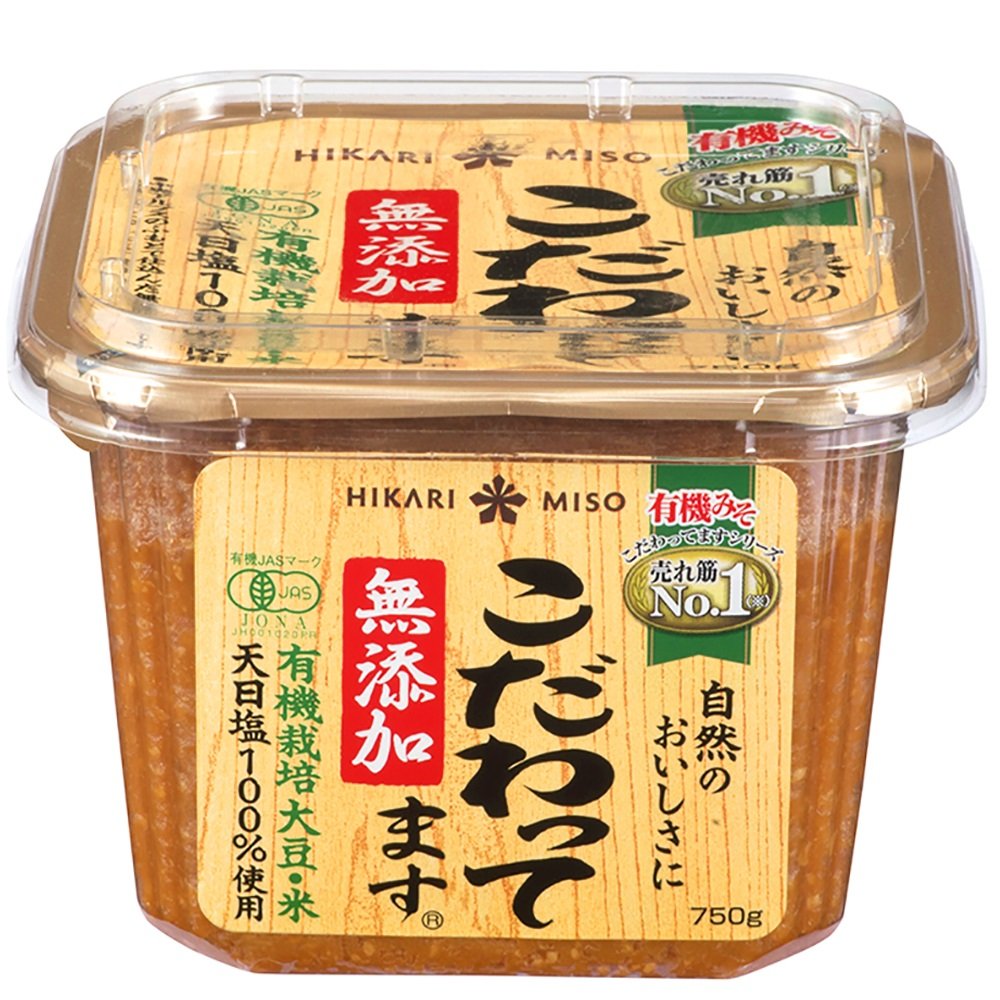
A classic Japanese miso widely used in everyday cooking.
Budget Miso
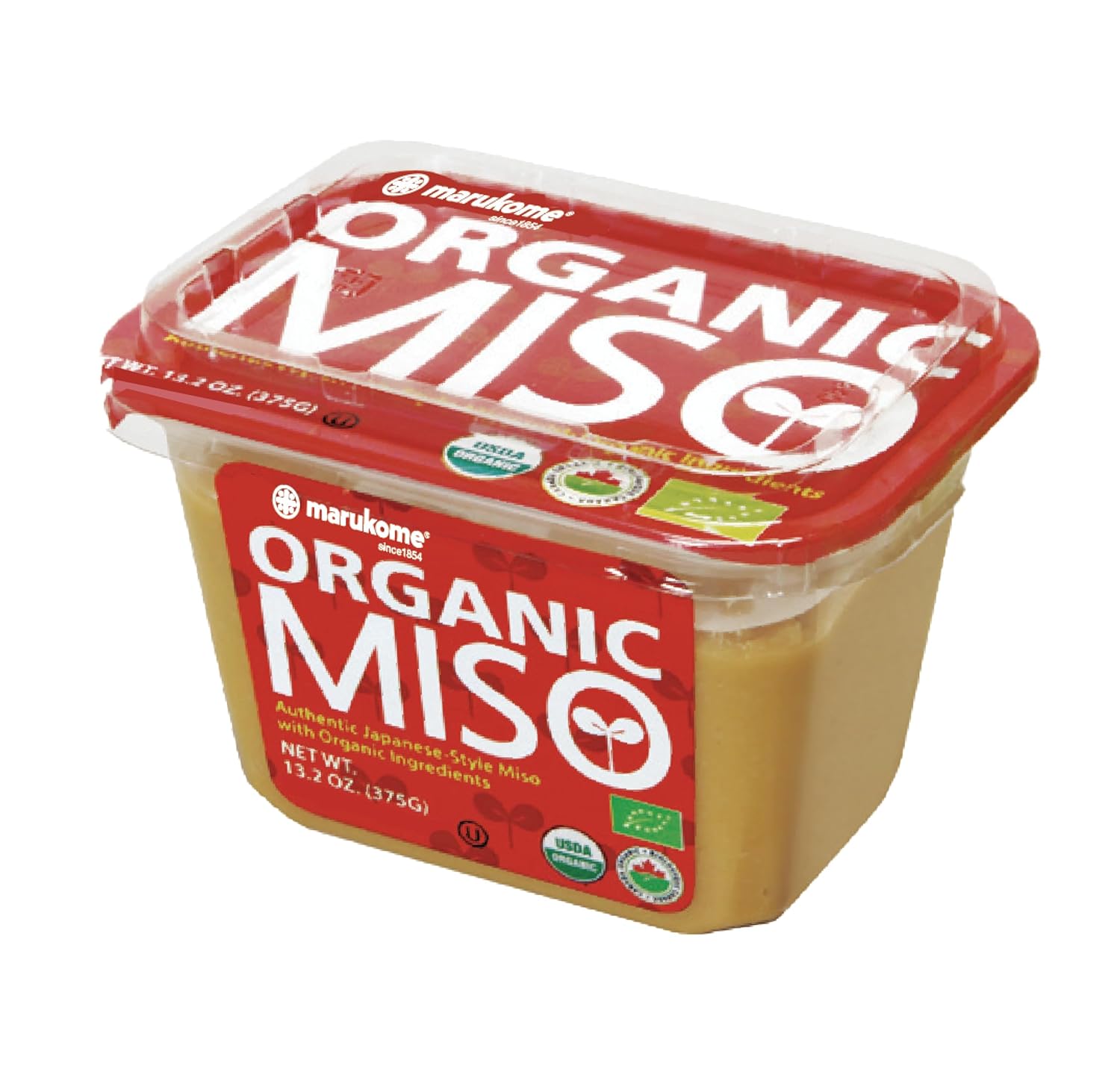
Affordable miso perfect for beginners and daily miso soup.
Conclusion
Miso is one of the most important foods in the traditional Japanese diet.
Because it is fermented, it contains beneficial bacteria that support gut health and digestion.
Including miso in your daily diet is a simple way to follow the Japanese longevity lifestyle.
2. Green Tea
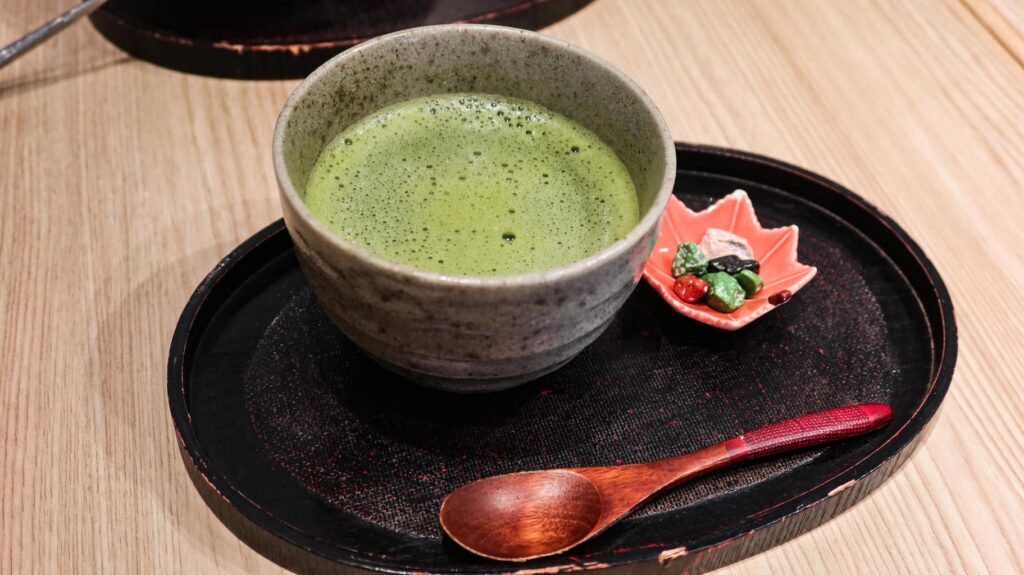
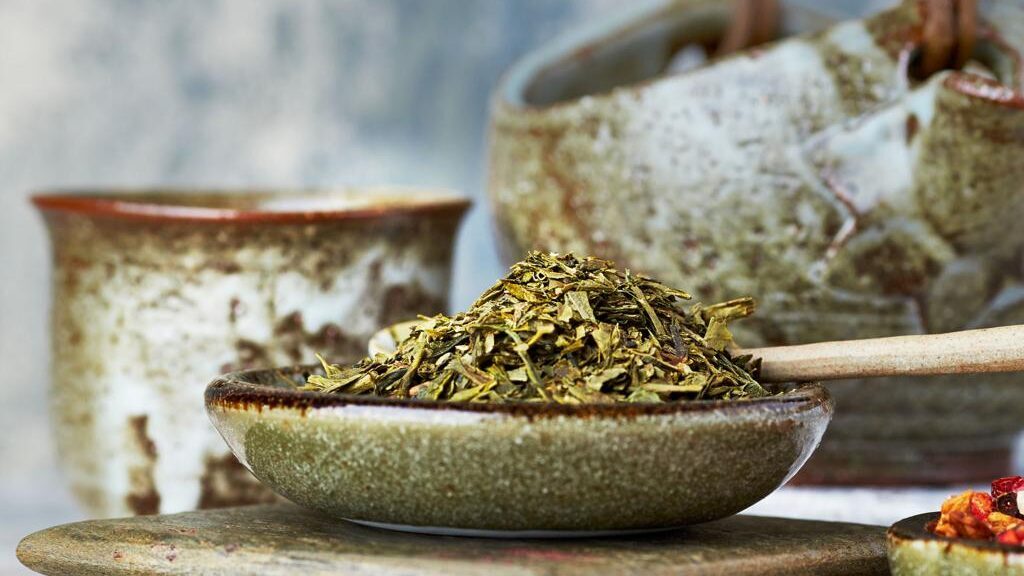

What is Green Tea?
Green tea is one of the most commonly consumed beverages in Japan.
It is made from the leaves of the Camellia sinensis plant and is known for its refreshing taste and health benefits.
Unlike black tea, green tea is minimally processed, which helps preserve its natural antioxidants.
In Japan, green tea is enjoyed daily and is often served with meals or during traditional tea ceremonies.
Health Benefits
- rich in antioxidants called catechins
- supports heart health
- may improve metabolism
- helps protect cells from oxidative stress
Green tea fits especially well into a longevity-focused lifestyle because it can help replace sweet beverages. Learn more in our article on sugar, aging, and healthier daily habits.
How to Drink Green Tea
Green tea is one of the simplest daily habits associated with Japanese longevity. It can be enjoyed in the morning, between meals, or as a gentle alternative to sugary drinks. Unsweetened green tea is generally the best choice if your goal is to reduce excess sugar intake while increasing antioxidant-rich beverages.
If you are just starting out, replacing one daily soft drink or sweet coffee with green tea can be an easy first step. Consistency matters more than perfection, so even one or two cups a day can become a meaningful long-term habit.
Recommended product
Organic Japanese Green Tea
High-quality Japanese green tea made from carefully selected tea leaves.
Perfect for enjoying the authentic taste of traditional Japanese tea.
Here are some popular Green Tea products you can easily buy online.
Premium Green Tea
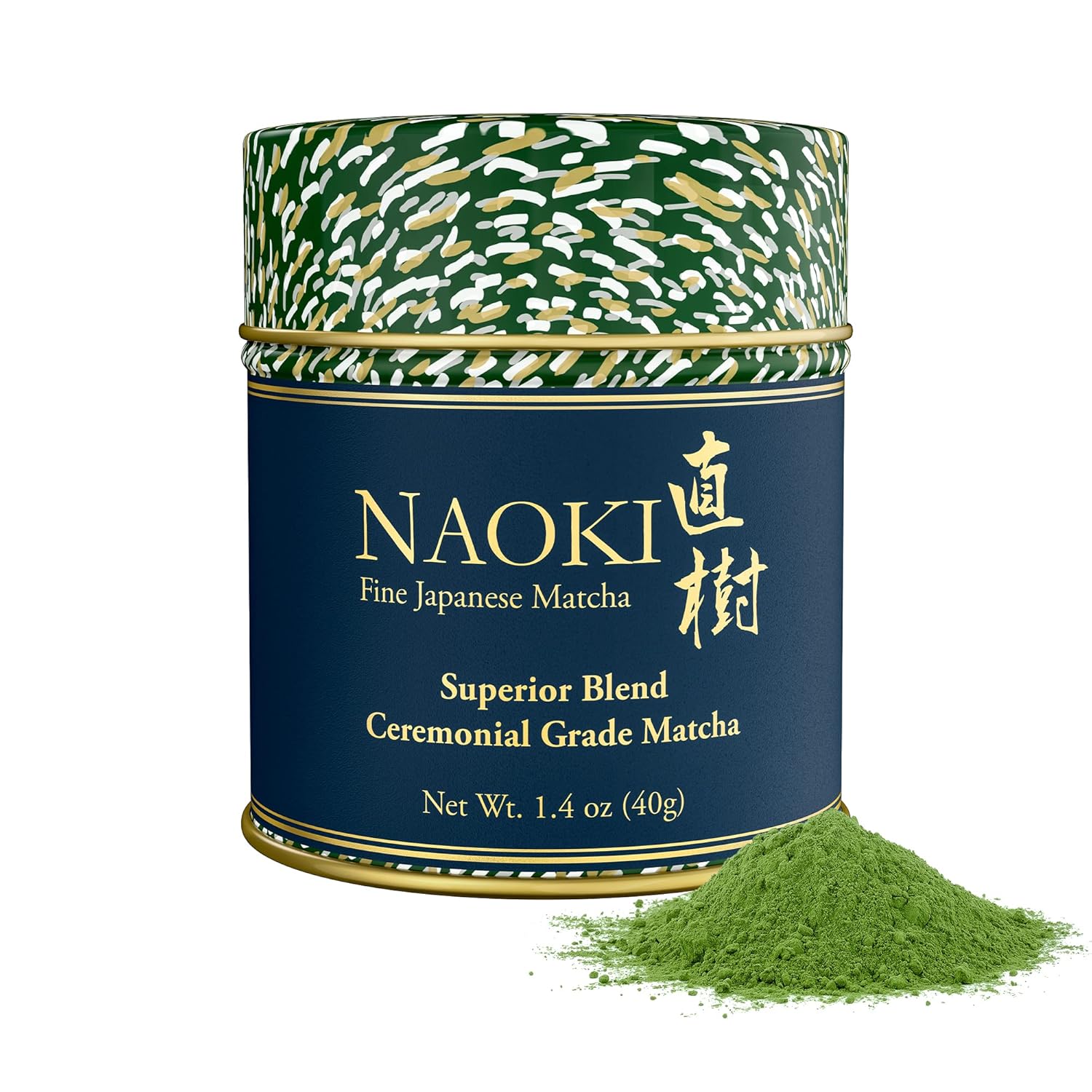
High-grade ceremonial matcha made from shade-grown tea leaves.
Traditional Green Tea
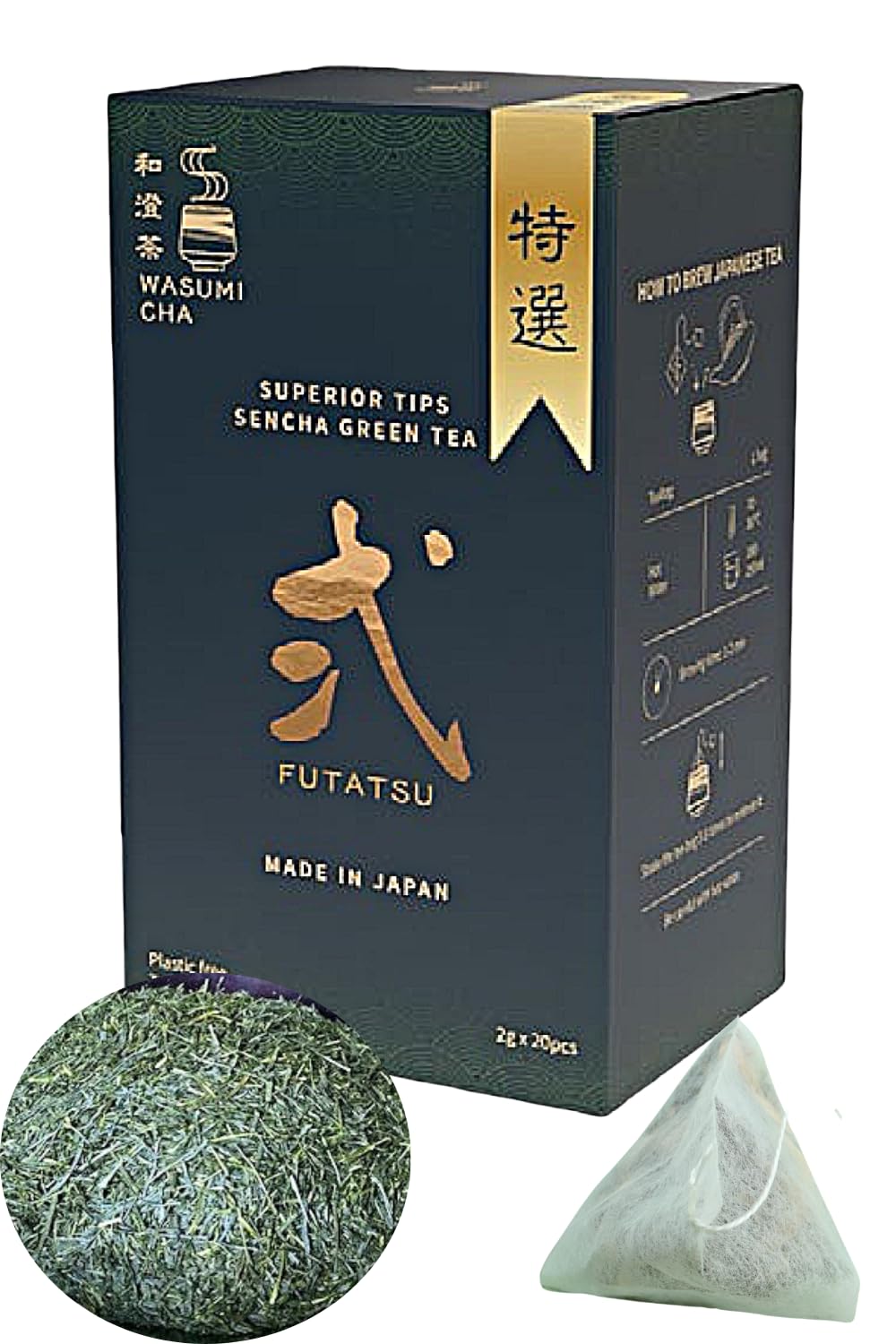
Classic Japanese sencha widely consumed in everyday Japanese households.
Budget Green Tea
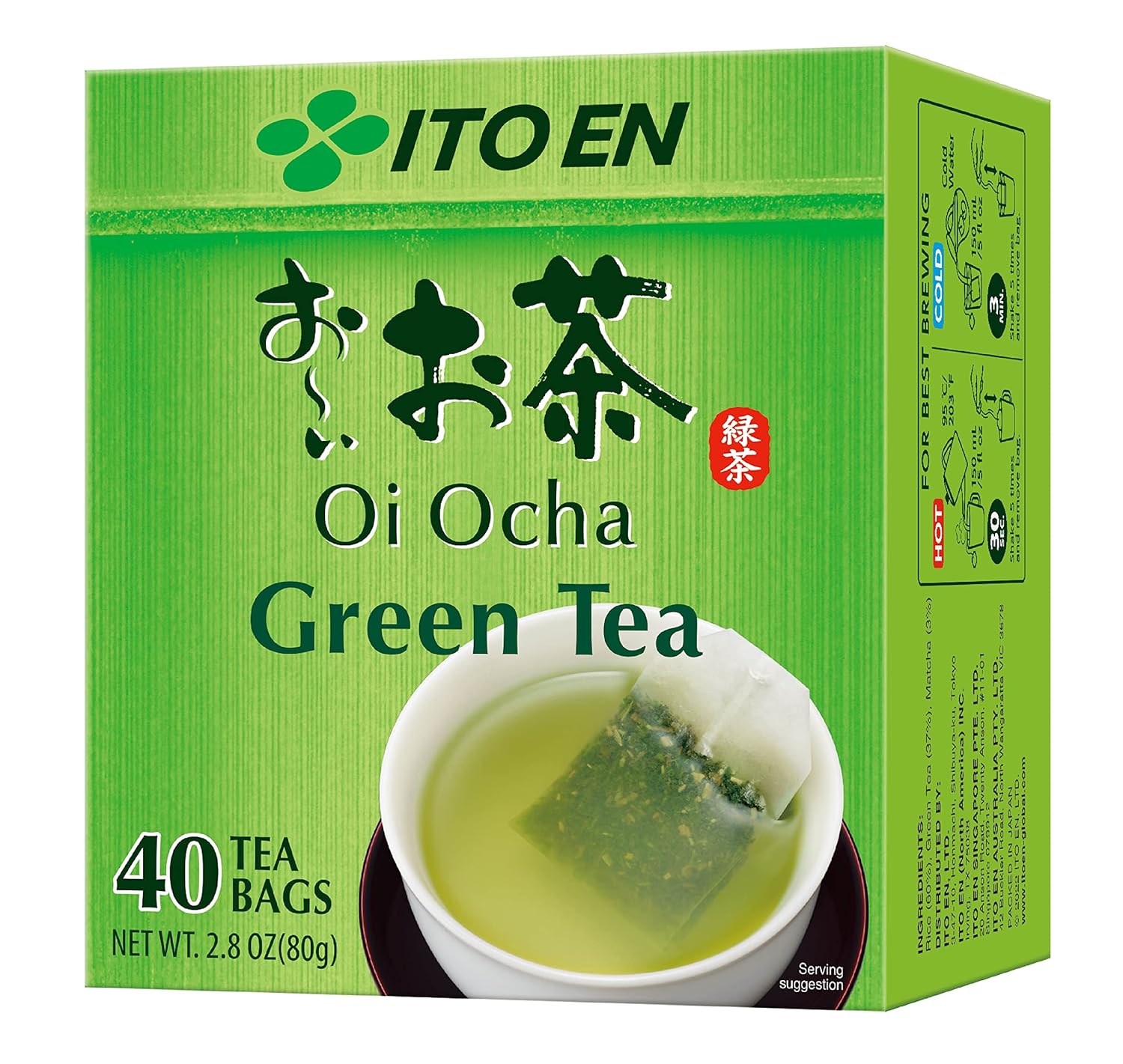
Affordable green tea perfect for daily drinking.
Conclusion
Green tea is an essential part of the Japanese lifestyle.
Its high antioxidant content and refreshing taste make it a popular drink for supporting overall health.
Drinking green tea daily is one of the easiest ways to follow traditional Japanese longevity habits.
3. Natto

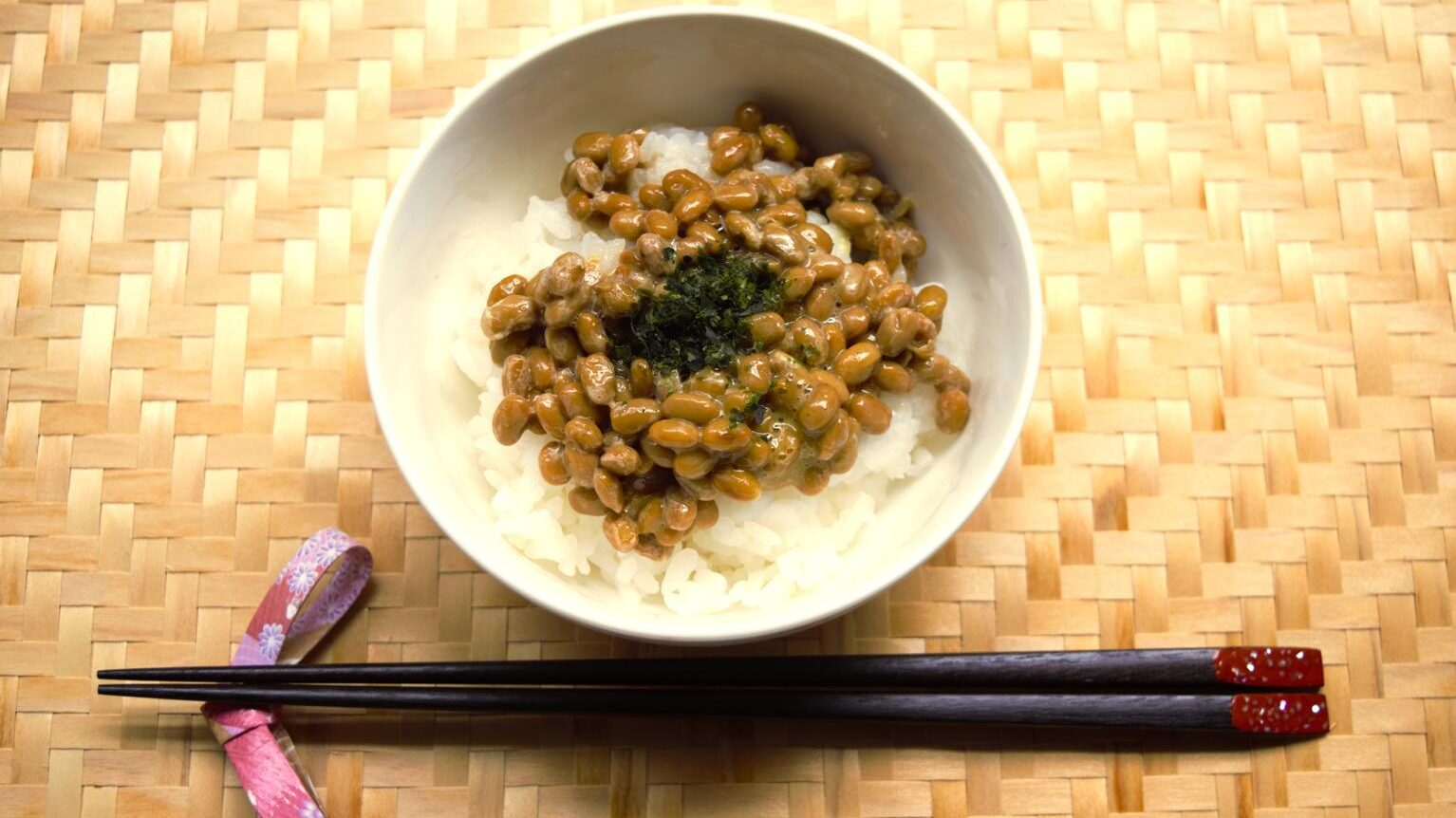

What is Natto?
Natto is a traditional Japanese food made from fermented soybeans.
It has a distinctive sticky texture and strong flavor that many Japanese people enjoy with rice.
The fermentation process uses a beneficial bacterium called Bacillus subtilis, which produces powerful nutrients.
Natto is commonly eaten for breakfast in Japan and is considered one of the healthiest traditional foods.
Health Benefits
- extremely rich in probiotics
- supports gut microbiome balance
- contains vitamin K2 for bone health
- may help support cardiovascular health
Natto is especially interesting because it combines fermentation with nutrients often discussed in longevity research. For a deeper look, see our Japanese diet and longevity science article.
How to Eat Natto
Natto is traditionally eaten with rice, soy sauce, mustard, and chopped green onion. Although its texture and aroma can feel unusual at first, many people find it easier to enjoy when mixed well and paired with warm rice or a raw egg.
If you are a beginner, try a small portion once or twice a week before increasing the amount. Natto is often considered one of the most distinctive Japanese longevity foods because it combines fermentation benefits with valuable nutrients in a compact serving.
Recommended product
Traditional Japanese Natto
Authentic fermented soybeans commonly eaten with rice in Japanese households.
Here are some popular Natto you can easily buy online.
Premium Natto
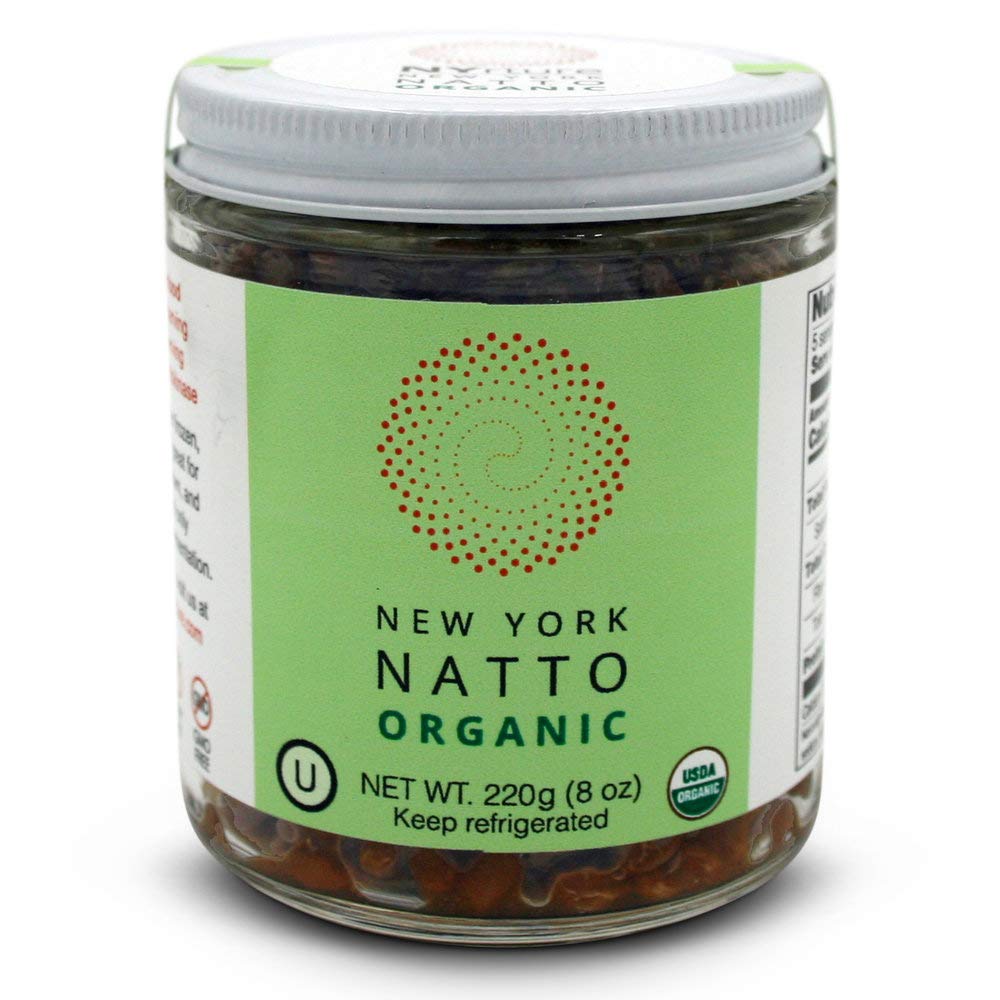
Organic natto made with high-quality non-GMO soybeans.
Traditional Natto
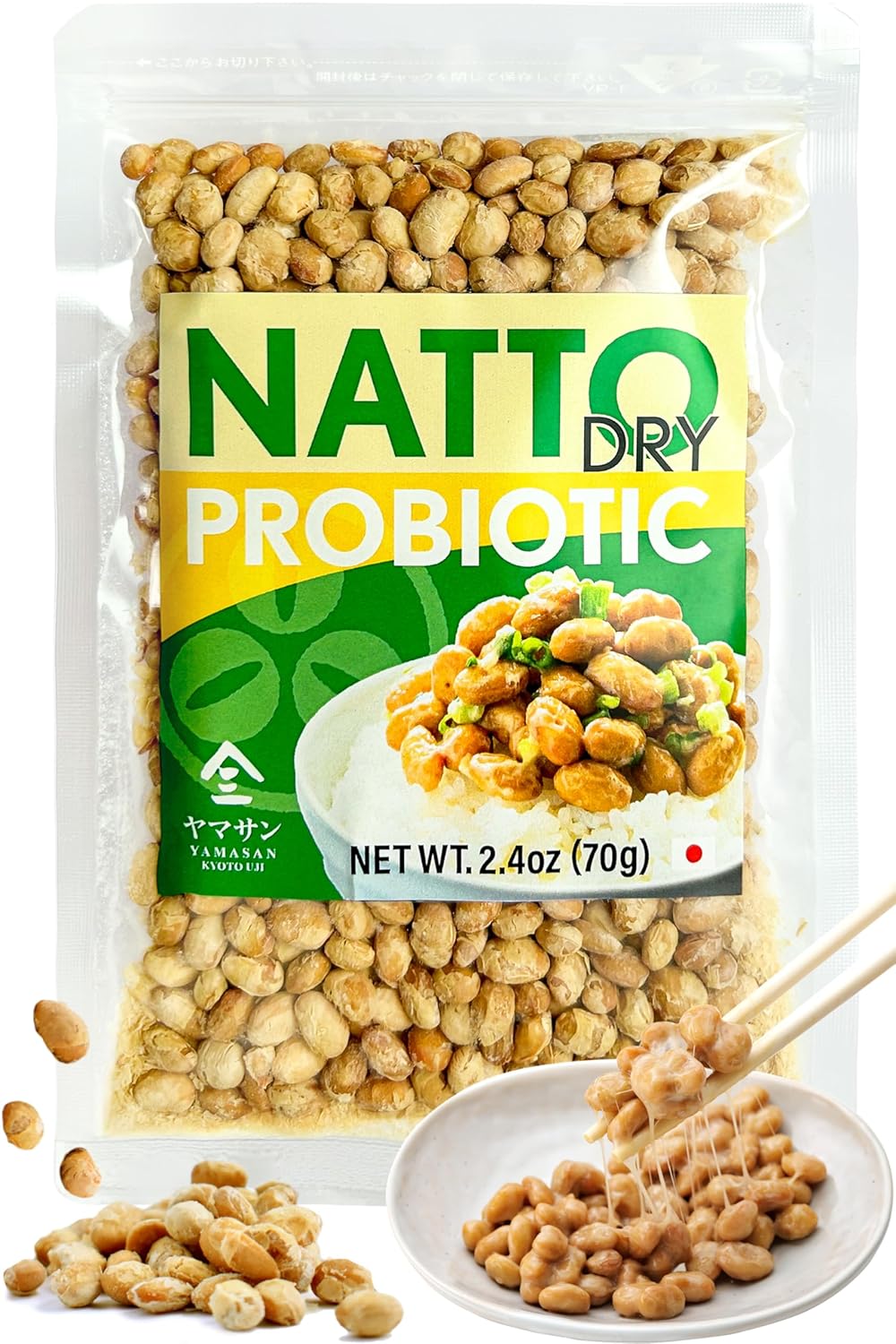
Classic Japanese natto commonly served for breakfast.
Budget Natto
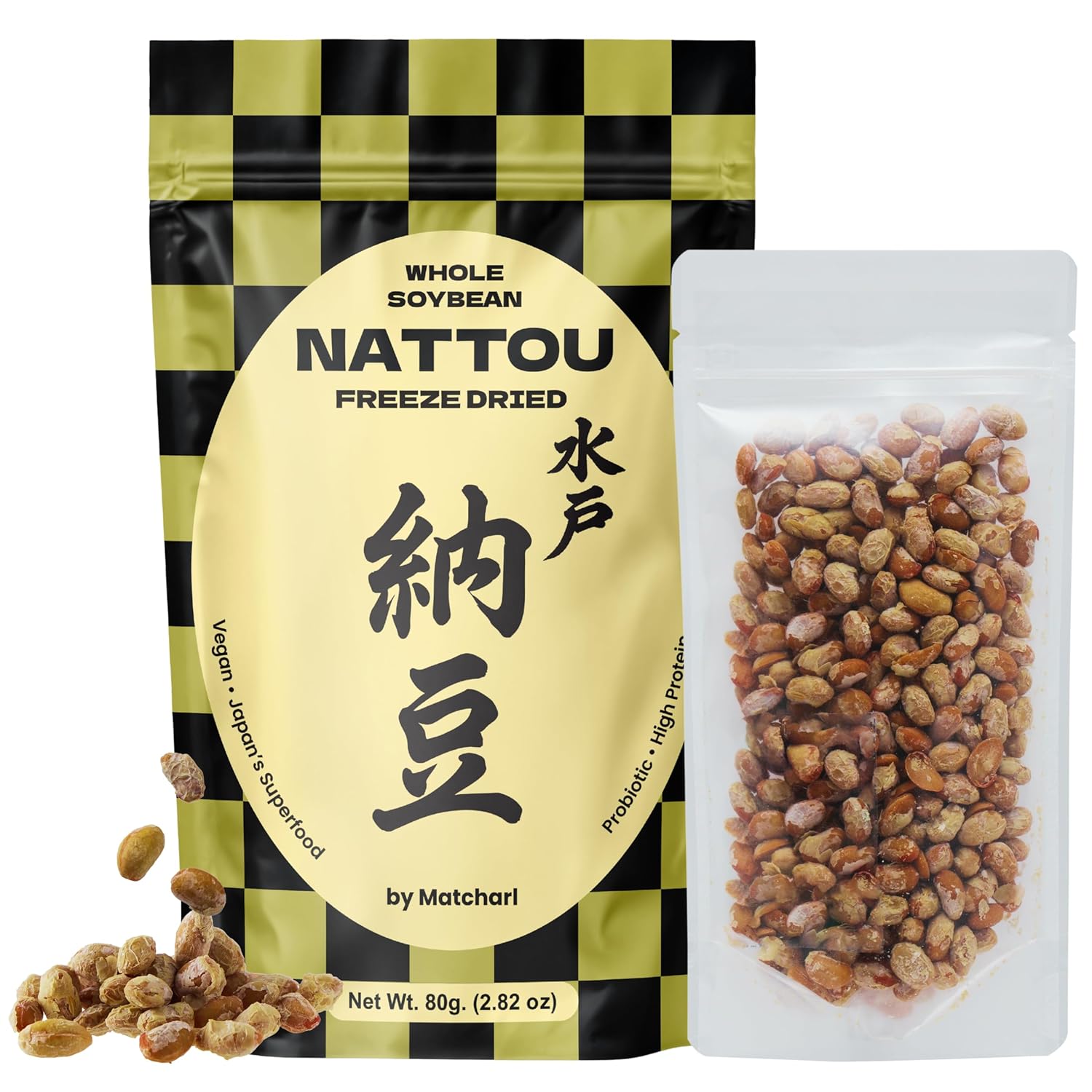
Affordable frozen natto perfect for trying this traditional food.
Conclusion
Natto is one of the most nutrient-dense foods in the Japanese diet.
Its unique fermentation process provides beneficial bacteria that support gut health and longevity.
Although its flavor can be strong for beginners, many people grow to love its rich taste and health benefits.
4. Salmon
What is Salmon?
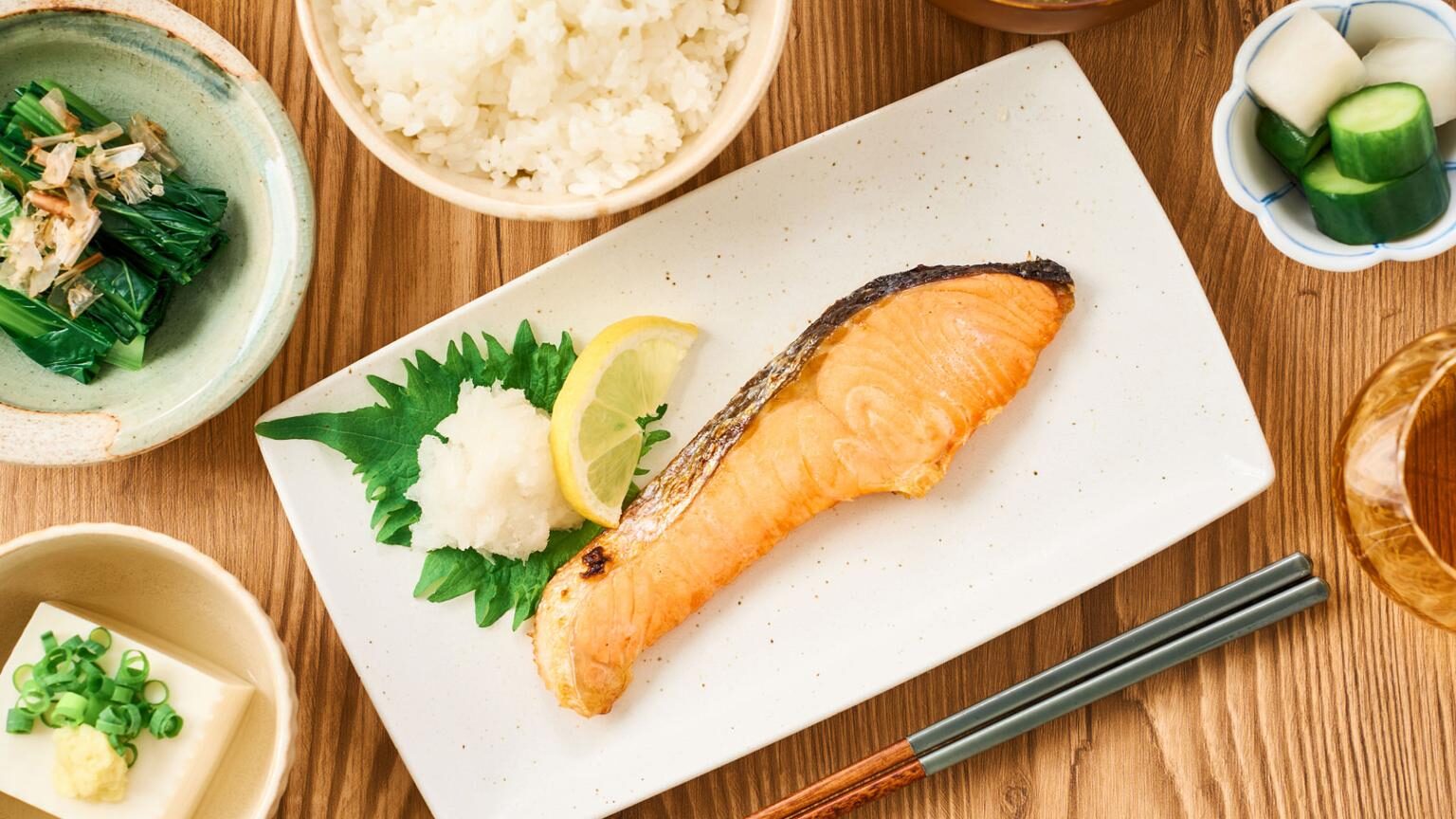
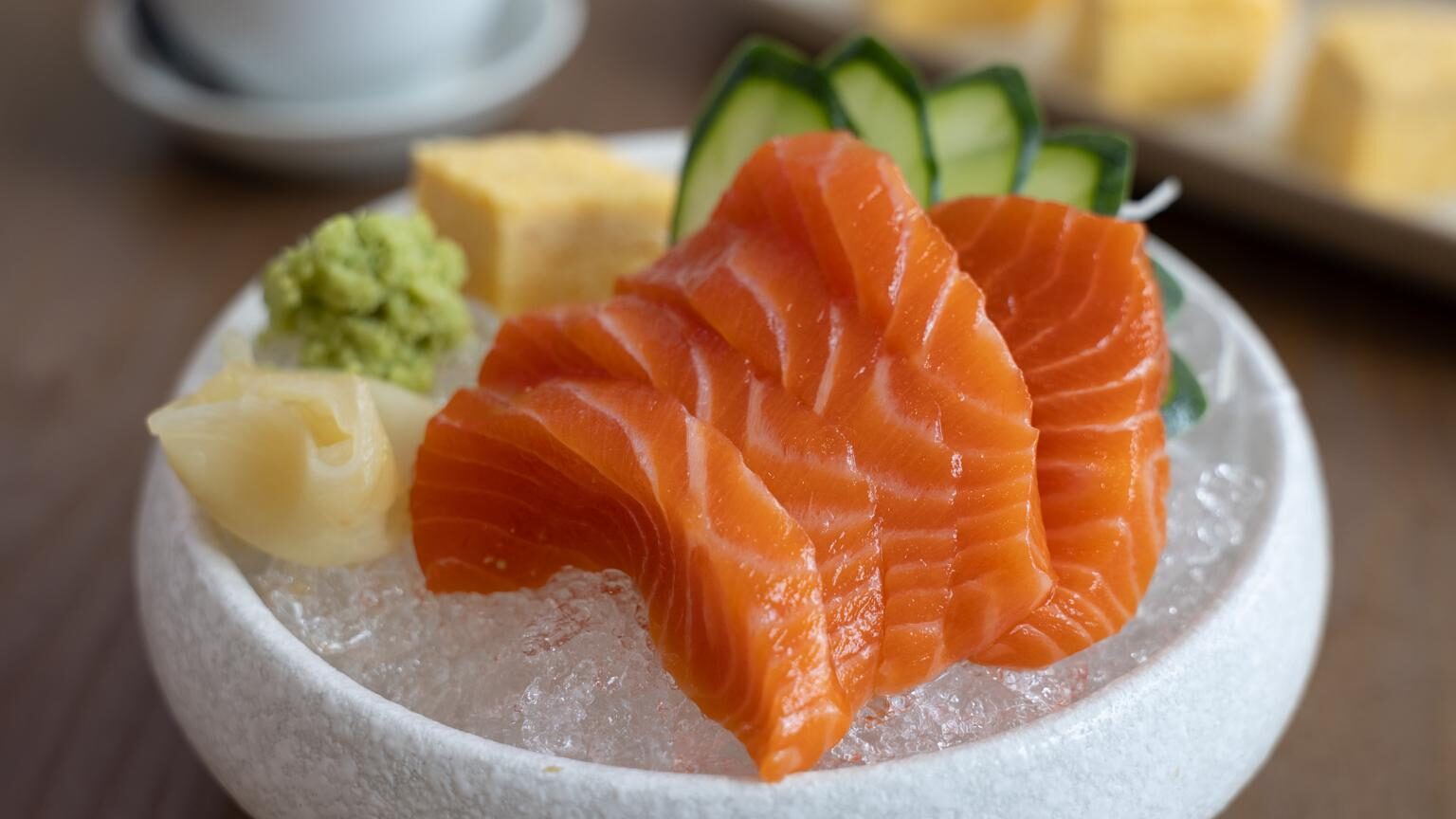
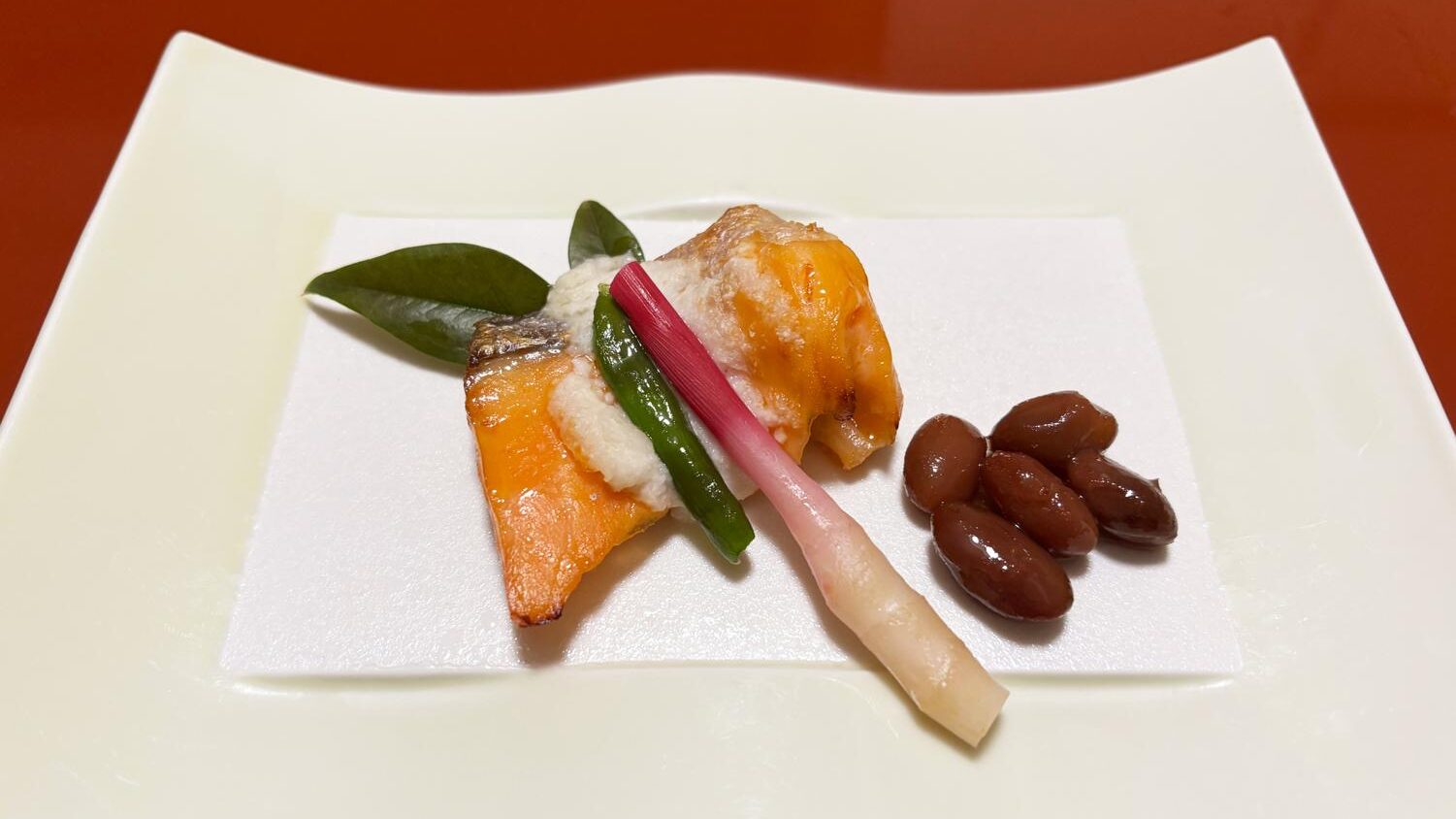
Salmon is one of the most popular fish in Japan and is commonly eaten grilled, raw as sashimi, or served with rice.
It is rich in healthy fats and high-quality protein, making it an important part of the Japanese diet.
Grilled salmon is a traditional component of Japanese breakfast and is often paired with rice, miso soup, and vegetables.
Health Benefits
- rich in omega-3 fatty acids
- supports heart health
- high in protein
- contains vitamin D and B vitamins
How to Eat Fish
Fish is a core part of the traditional Japanese diet and is often prepared in simple ways such as grilling, steaming, or simmering. Oily fish such as salmon, sardines, and mackerel are especially popular choices because they are satisfying and easy to include in regular meals.
If you want to eat more fish for longevity, aim to replace some processed meat meals with fish during the week. Keeping the preparation simple helps preserve the overall health benefits while making the habit sustainable.
Recommended product
Wild-caught salmon known for its high nutritional value and clean taste.
Best premium salmon for omega-3 and high protein.
Premium Salmon

Wild Alaskan Sockeye salmon is considered one of the highest-quality salmon varieties.
It is rich in omega-3 fatty acids and known for its deep red color and rich flavor.
Traditional Salmon
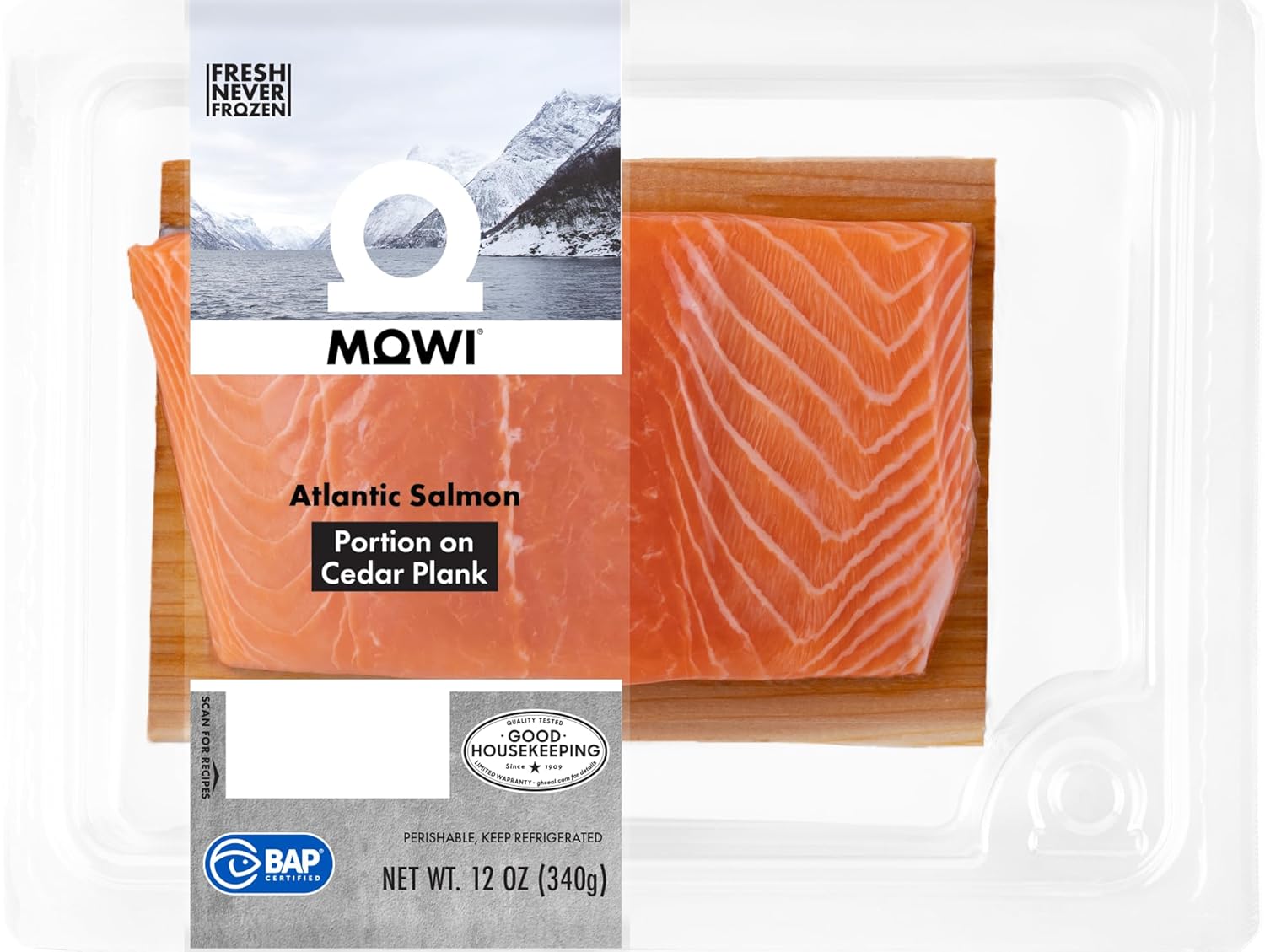
Atlantic salmon is commonly used in everyday cooking and Japanese-style grilled salmon dishes.
Check Price on Amazon
Budget Salmon

Canned salmon is an affordable and convenient option for everyday meals.
Conclusion
Salmon is one of the healthiest fish commonly eaten in Japan.
Its rich omega-3 content helps support heart health and overall wellness, making it a key food in the traditional Japanese diet.
5. Seaweed
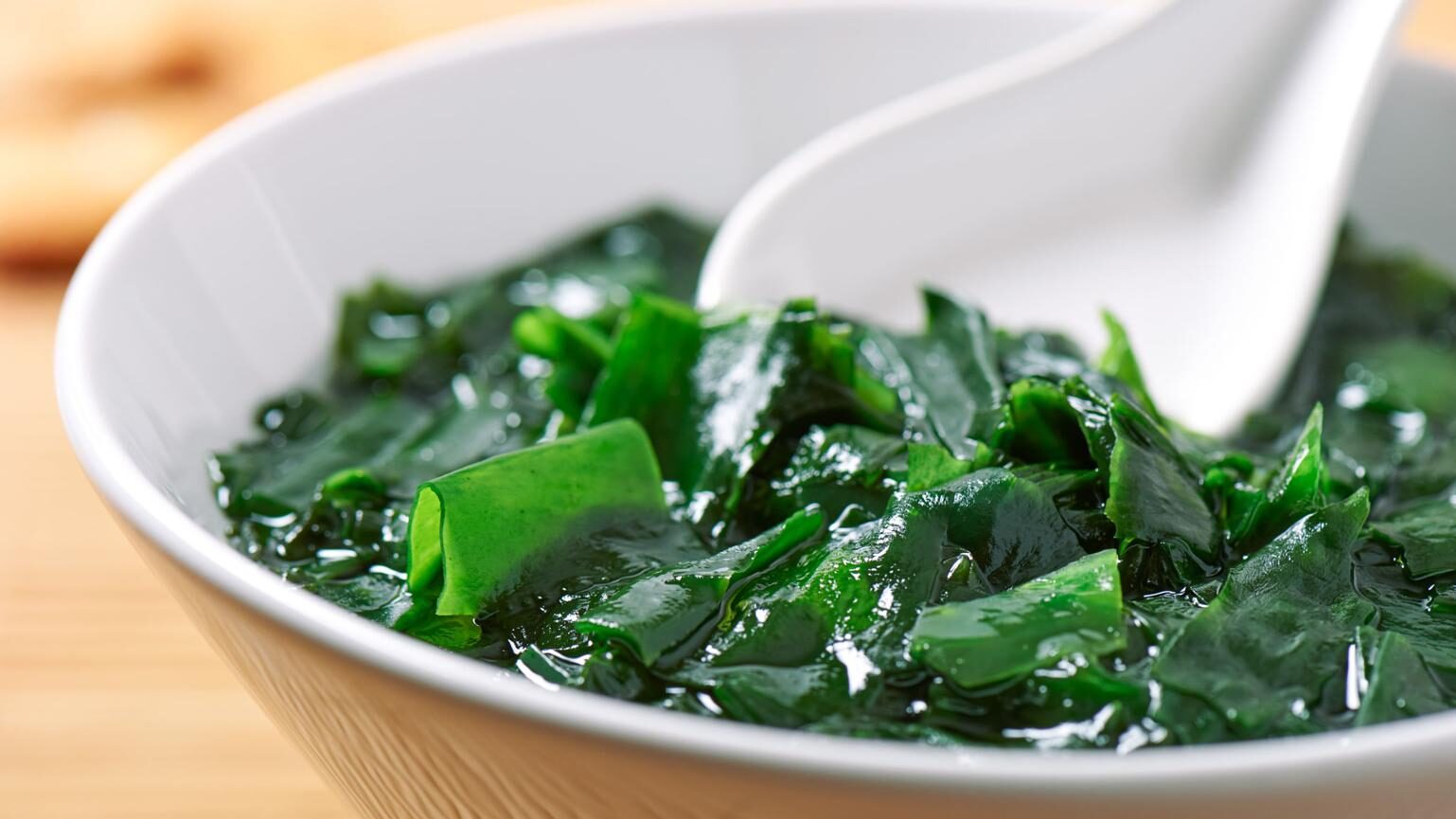
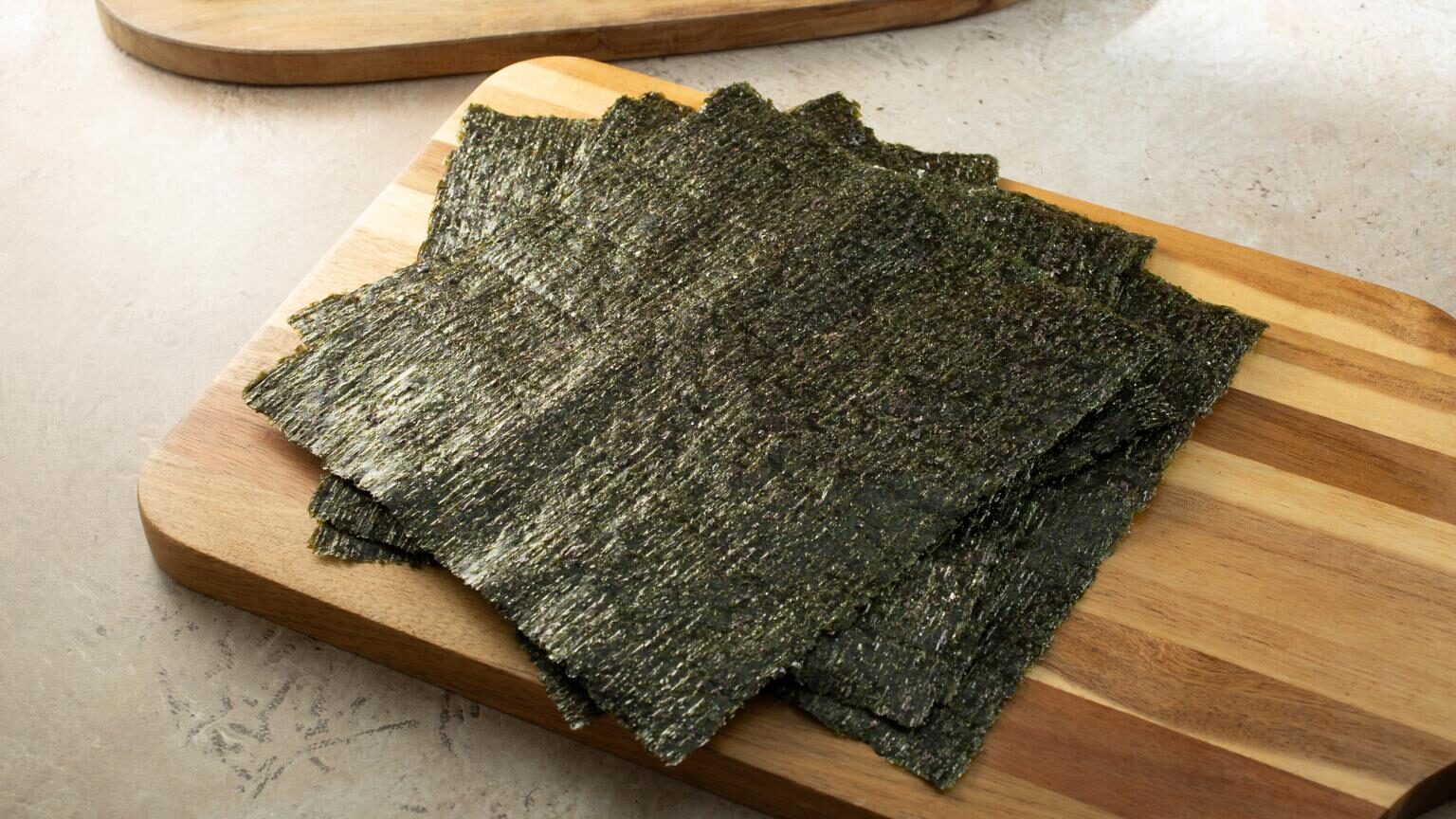
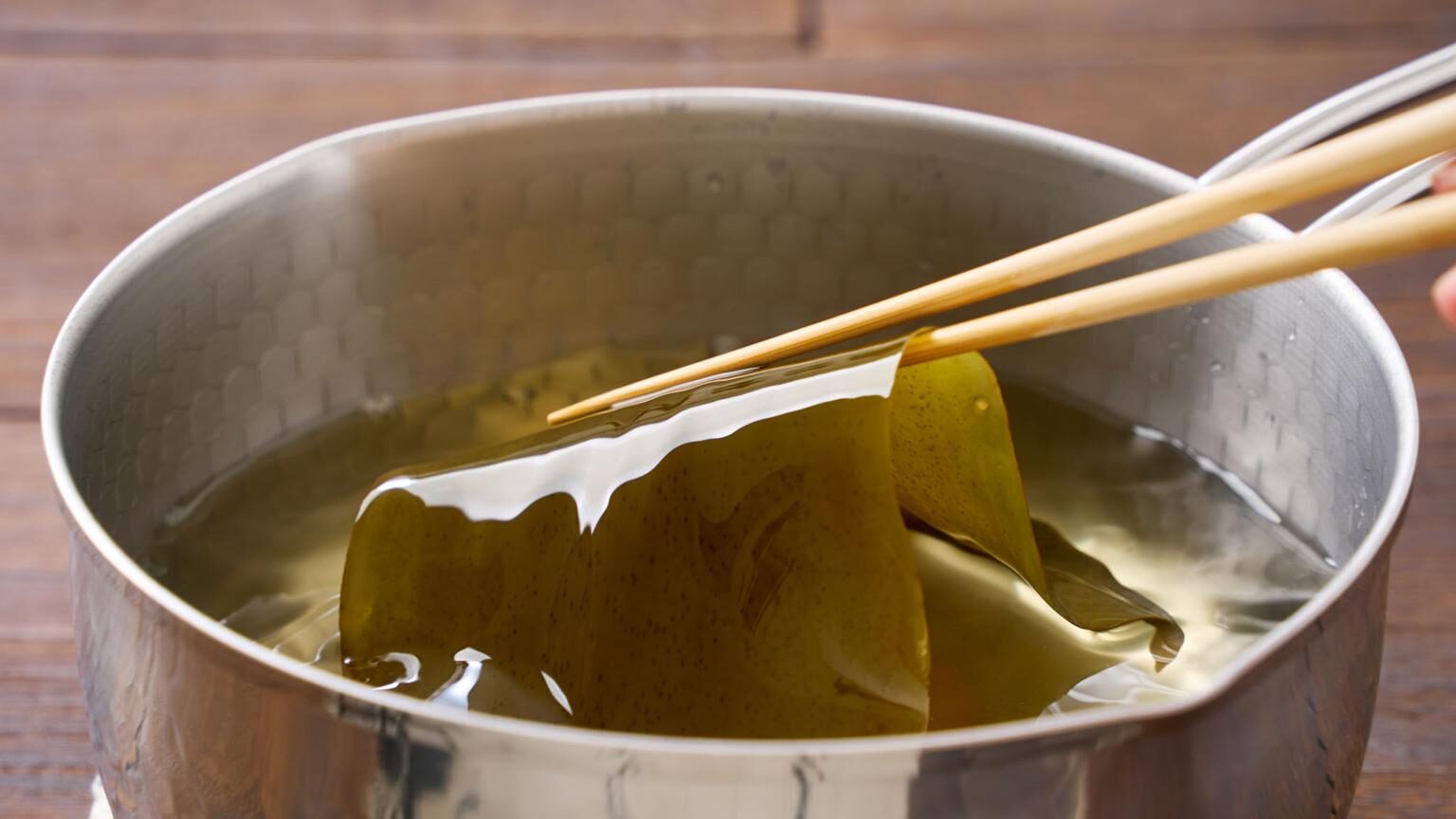
What is Seaweed?
Seaweed has been a staple ingredient in Japanese cuisine for centuries.
Popular varieties include nori, wakame, and kombu, each used in different dishes.
Seaweed is commonly found in miso soup, sushi, and salads.
Health Benefits
- rich in iodine
- supports thyroid health
- contains antioxidants
- provides minerals like calcium and magnesium
Mineral-rich traditional foods are another important part of Japanese dietary wisdom. For more on this topic, visit our article about salt, minerals, and healthy aging.
How to Eat Seaweed
Seaweed can be added to meals in many easy ways, including miso soup, salads, rice bowls, or side dishes. In Japan, seaweed is valued not only for its minerals and fiber, but also for how easily it fits into everyday meals without much effort.
If you are new to seaweed, start with small portions of wakame in soup or nori with rice. This makes it easier to build familiarity with both the taste and texture while adding more variety to your diet.
Recommended product
High-quality dried seaweed commonly used in Japanese cooking.
Premium Seaweed
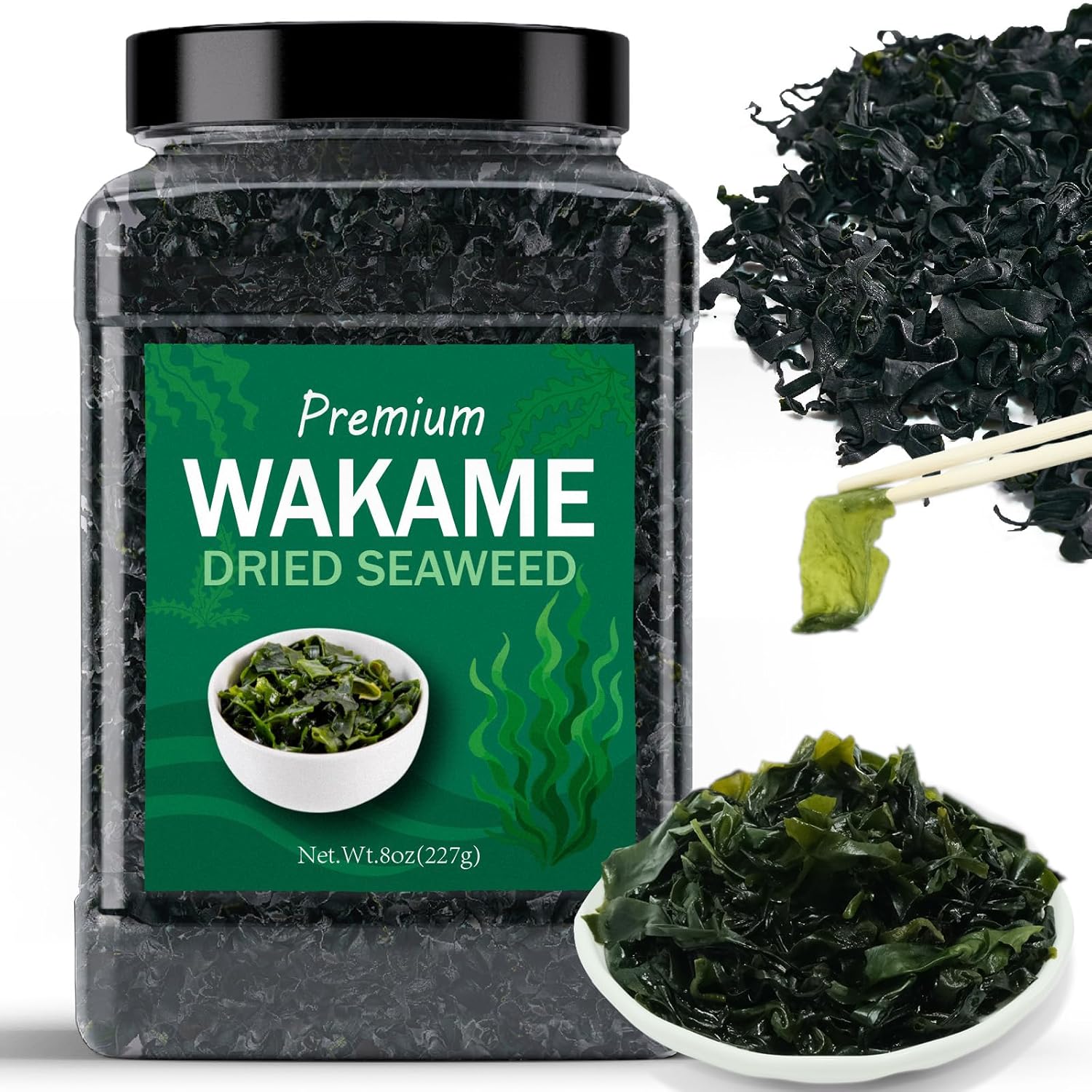
It is rich in minerals and commonly used in traditional Japanese miso soup.
Traditional Seaweed
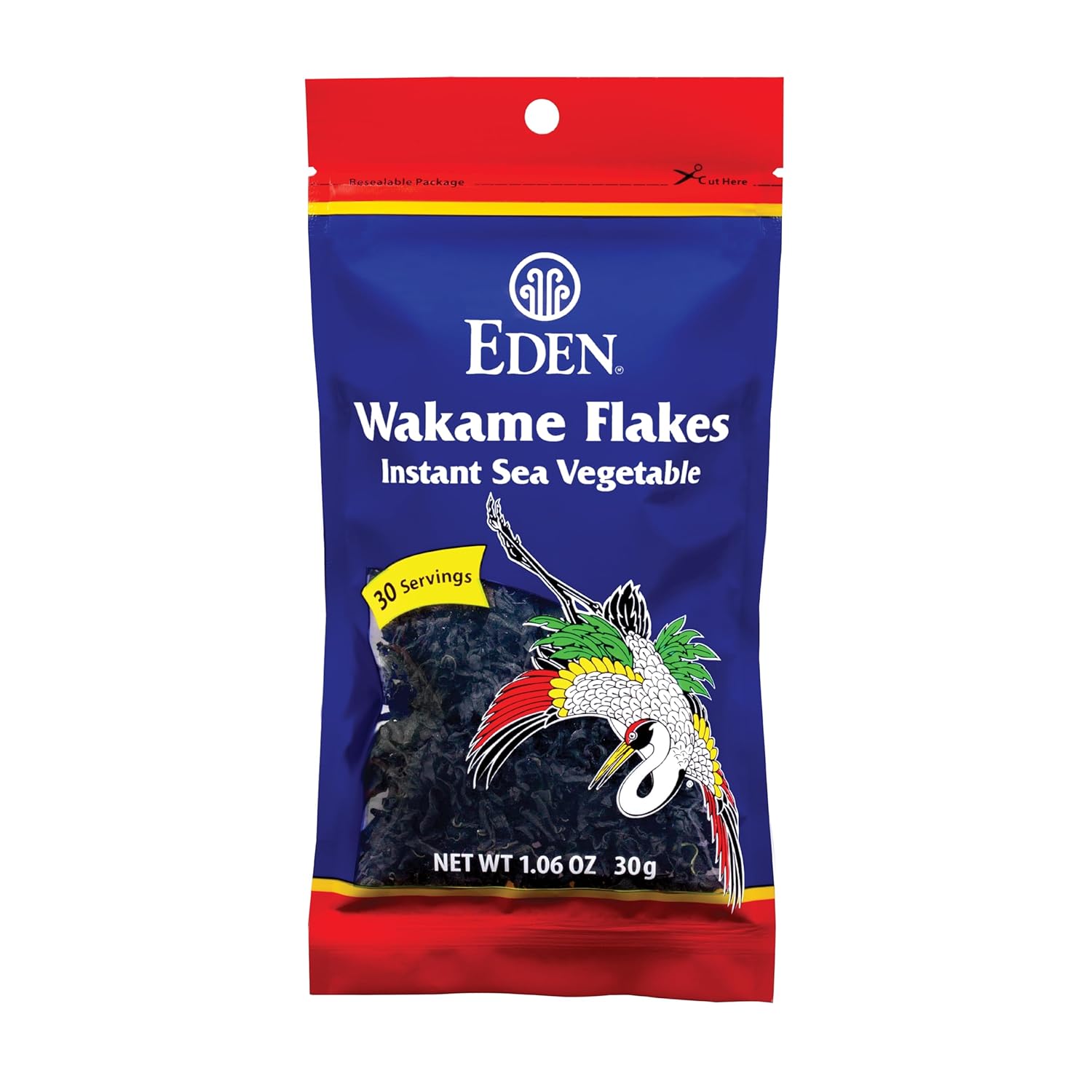
Classic wakame seaweed widely used in Japanese cooking.
Budget Seaweed
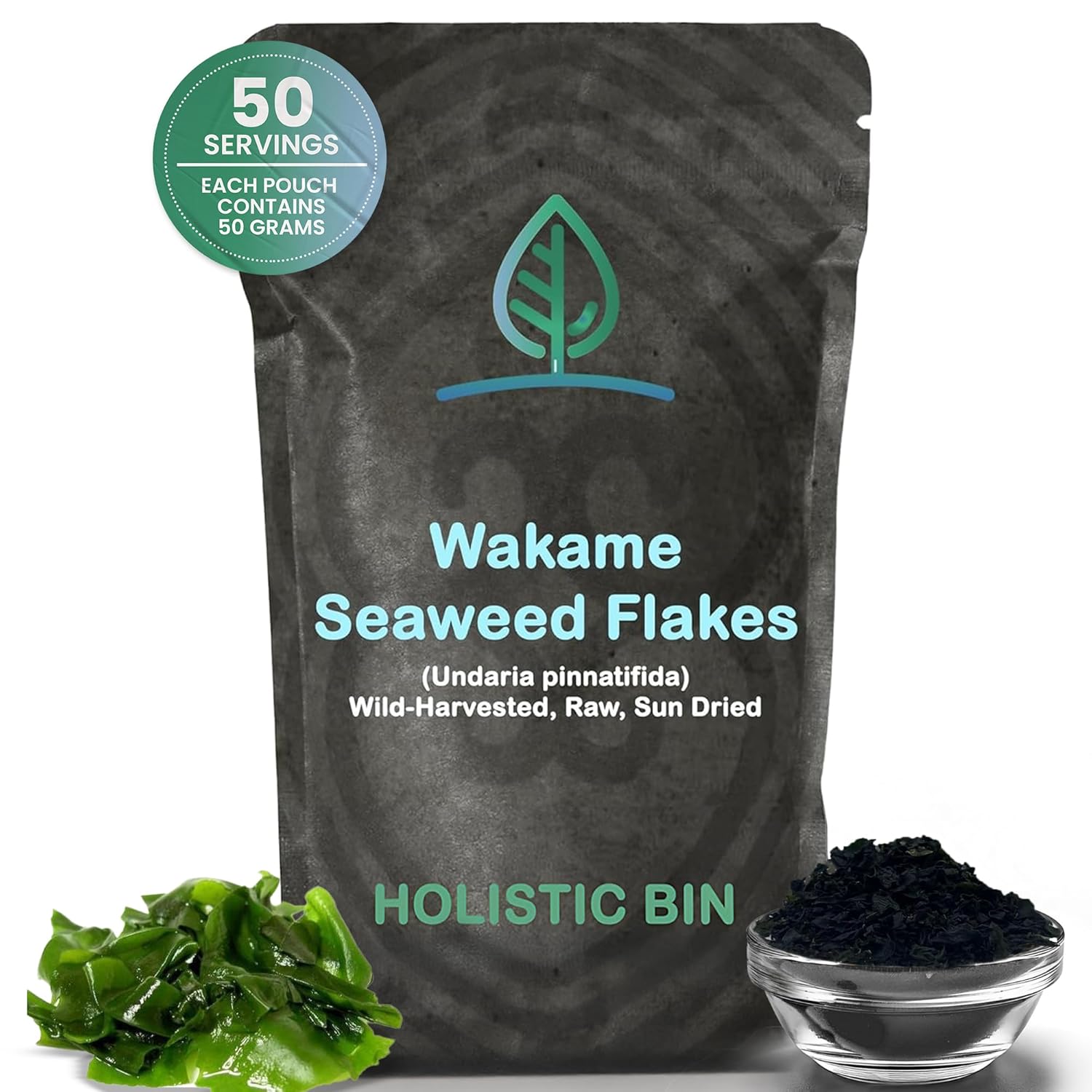
Affordable dried wakame perfect for soups and salads.
Conclusion
Seaweed is one of the most nutrient-dense foods in the Japanese diet.
Its high mineral content and unique nutrients make it an important food for supporting long-term health.
6. Tofu
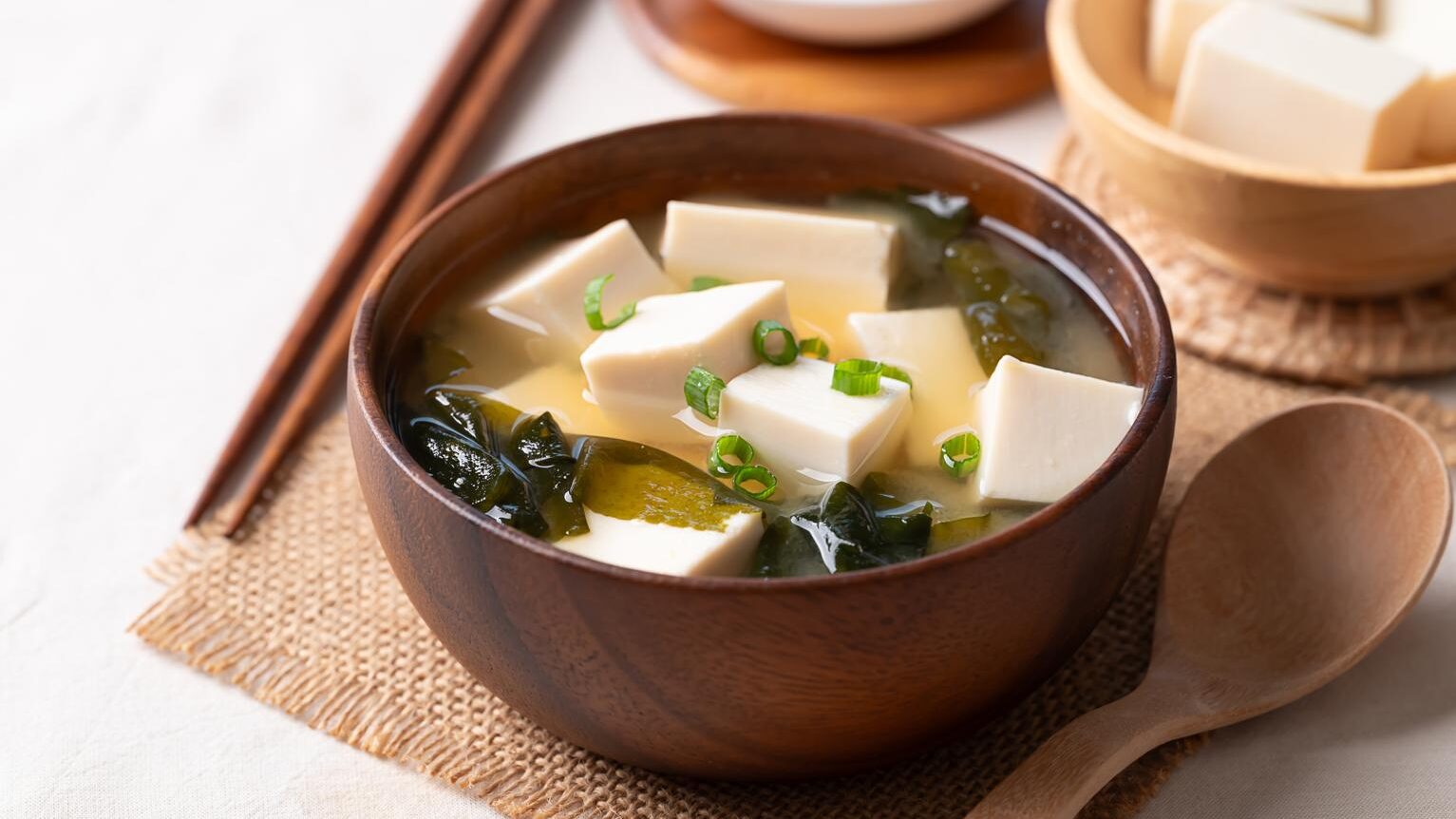
What is Tofu?
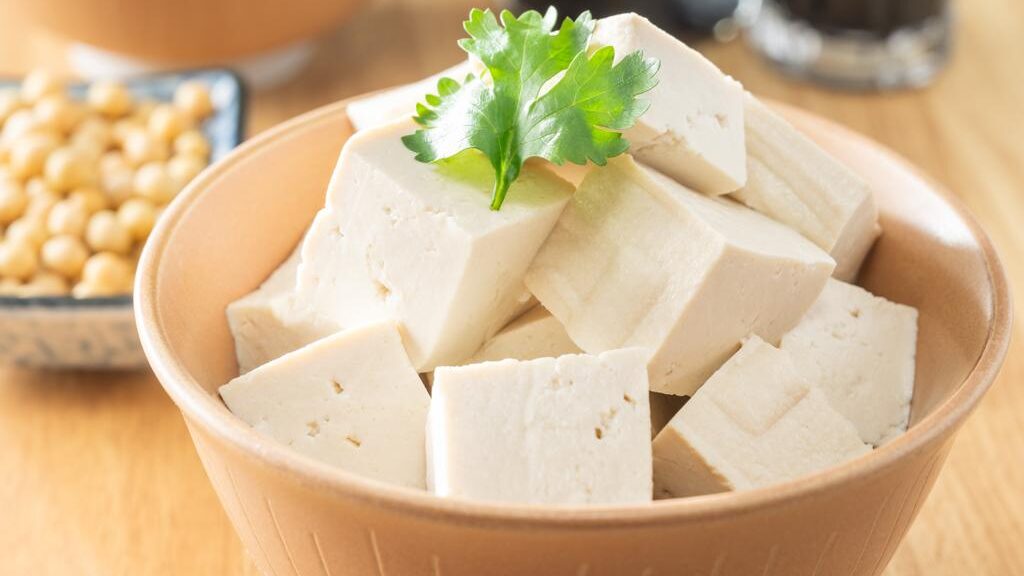
Tofu is made from soybeans and is a major source of plant-based protein in Japanese cuisine.
It is soft, mild in flavor, and commonly used in soups, stir-fries, and salads.
Because of its versatility and nutrition, tofu is eaten frequently in Japan.
Health Benefits
- high in plant-based protein
- contains calcium and iron
- supports heart health
- low in calories
How to Eat Tofu
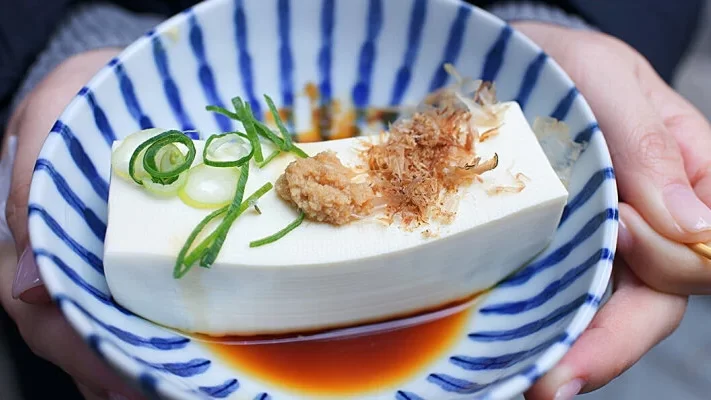
Tofu is a flexible and beginner-friendly food that can be enjoyed in soups, stir-fries, salads, or simple chilled dishes. Because its flavor is mild, it pairs well with many seasonings and is easy to incorporate into both Japanese and non-Japanese meals.
If you are looking for a lighter protein source, tofu can be a practical option several times a week. Soft tofu works well in soups, while firm tofu is useful for pan-cooking or adding to grain bowls and vegetable dishes.
Recommended product
Traditional soybean tofu widely used in Japanese cooking.
Premium Tofu
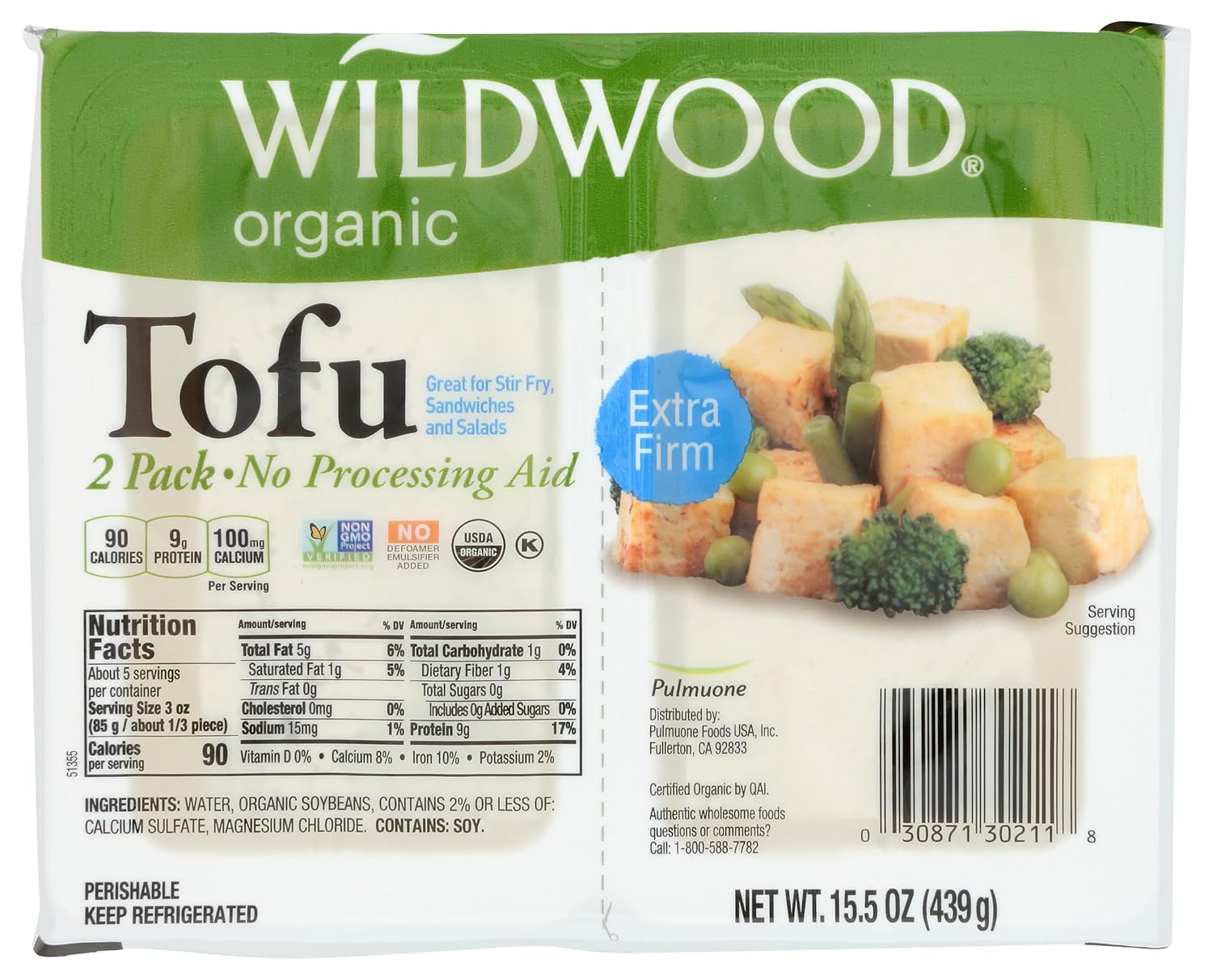
Rich in plant-based protein and perfect for healthy Japanese dishes.
Traditional Tofu
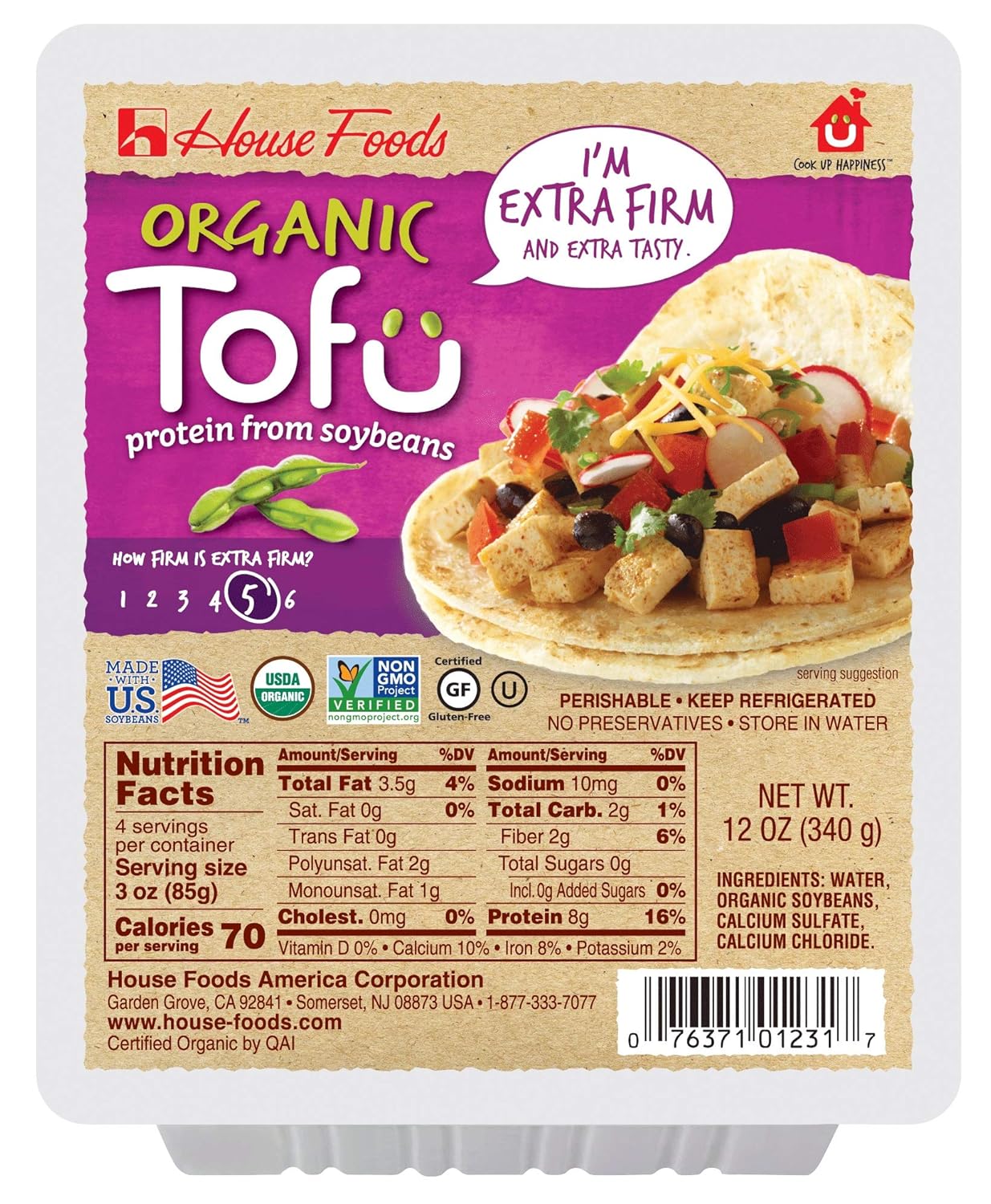
Traditional Japanese-style tofu widely used in everyday cooking.
Budget Tofu
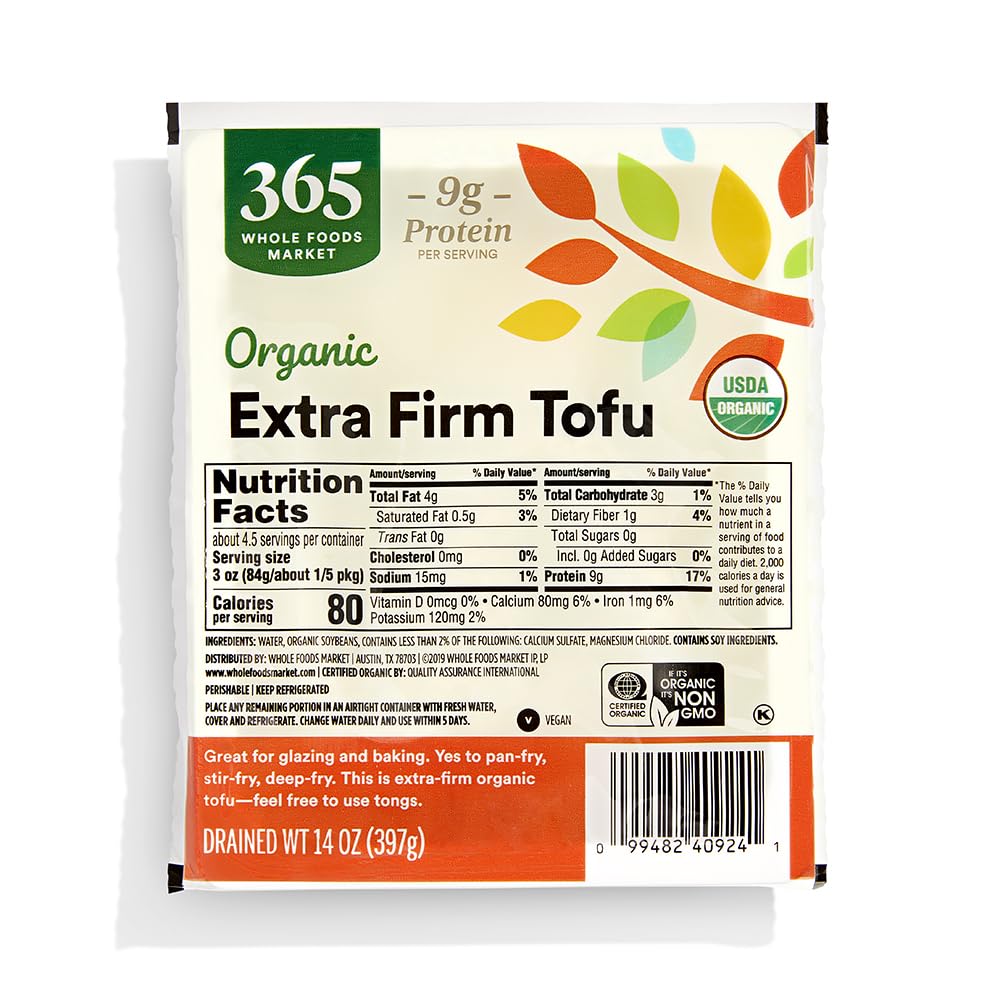
Affordable organic tofu suitable for everyday cooking.
Conclusion
Tofu is a nutritious and versatile food that plays a major role in Japanese cuisine.
Its plant-based protein and healthy nutrients support a balanced diet.
7. Sweet Potato (Okinawan)

What is Sweet Potato?
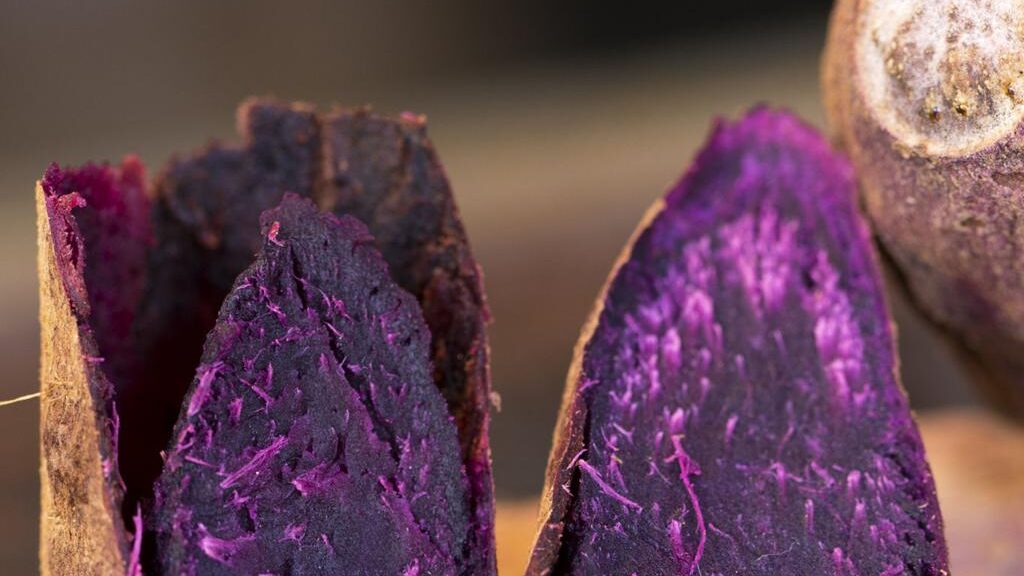
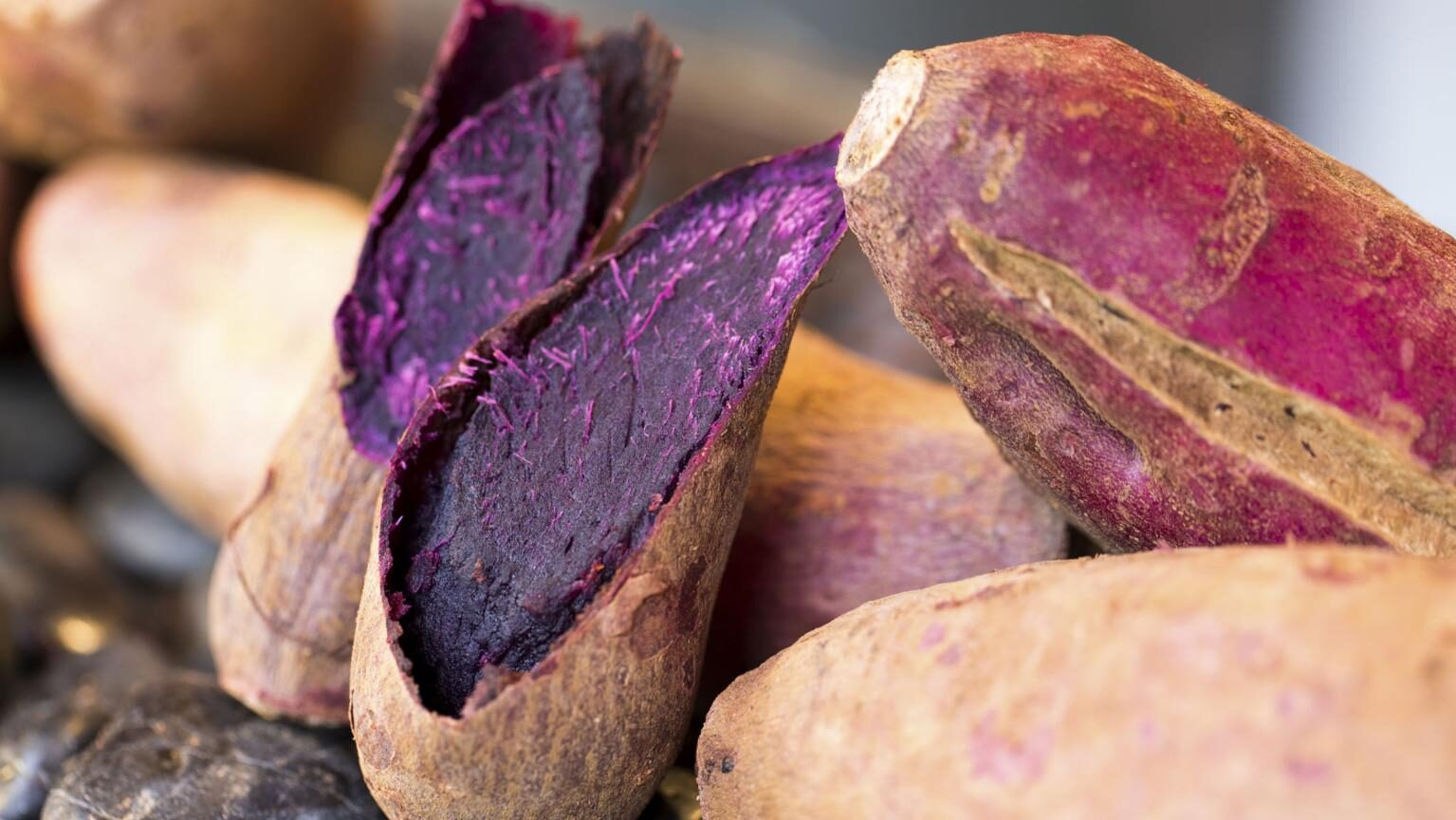
The Okinawan sweet potato is a purple variety widely consumed in Okinawa, Japan.
It has been associated with the long lifespan of Okinawan people.
This nutrient-rich root vegetable is often roasted or steamed.
Health Benefits
- high in fiber
- rich in antioxidants
- supports digestion
- helps regulate blood sugar levels
Reducing sugary drinks and processed snacks is just as important as adding healthy foods. You can also read our guide to sugar addiction, aging, and metabolic health.
How to Eat Japanese Sweet Potato
Japanese sweet potatoes are often eaten simply roasted or steamed, which makes them a convenient whole-food option for breakfast, snacks, or side dishes. Their natural sweetness can also help reduce cravings for heavily processed desserts.
If you want to eat them regularly, try replacing refined snacks with a small serving of roasted sweet potato a few times a week. Their simplicity is part of what makes them a practical longevity food.
Recommended product
Purple sweet potatoes known for their antioxidant content.
Premium Sweet Potato

Rich in antioxidants called anthocyanins, this Okinawan purple sweet potato powder is a convenient way to enjoy one of the most famous foods of the Okinawan longevity diet.
Traditional Sweet Potato
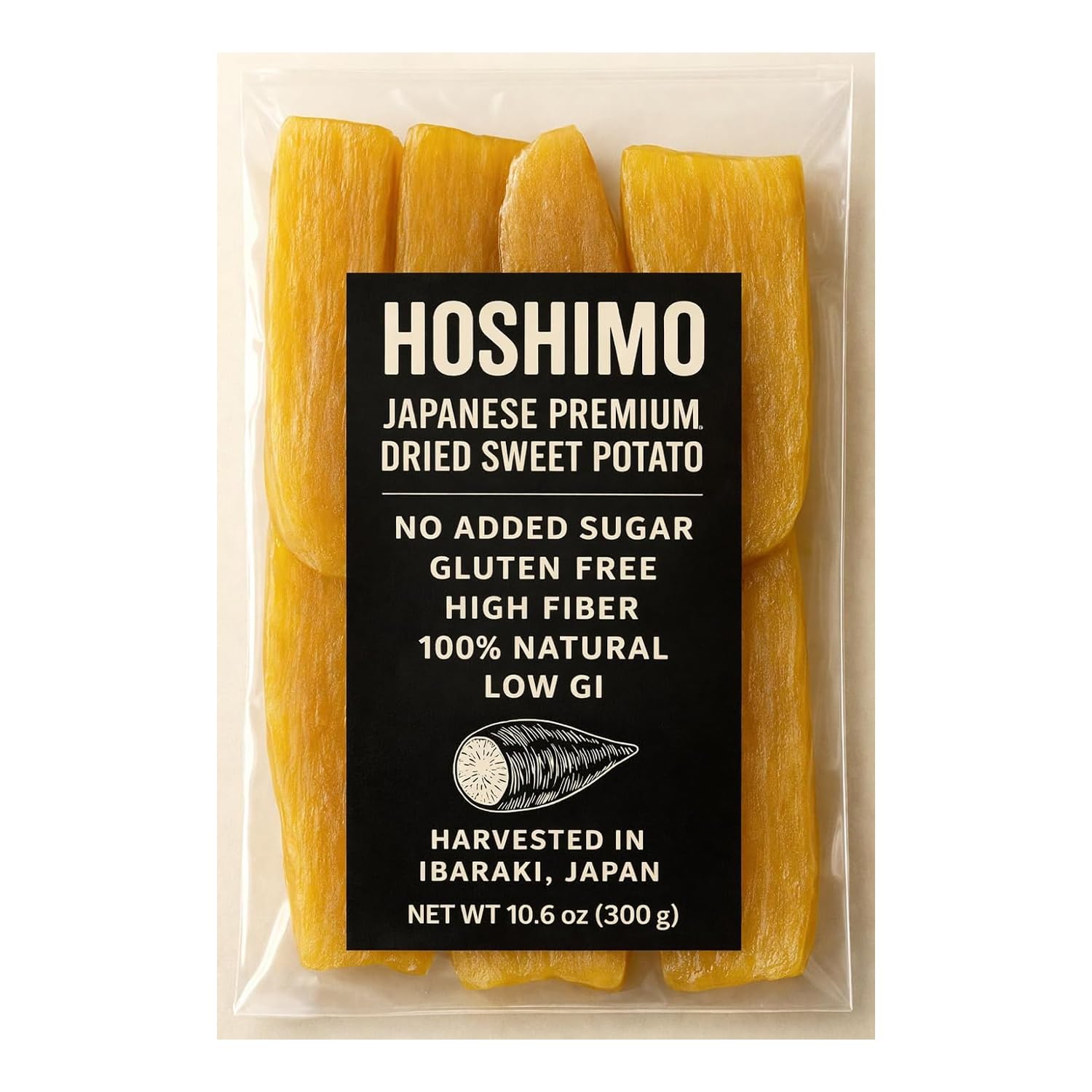
Japanese-style roasted sweet potatoes.Traditional Japanese sweet potatoes commonly used in healthy home cooking.
Budget Sweet Potato
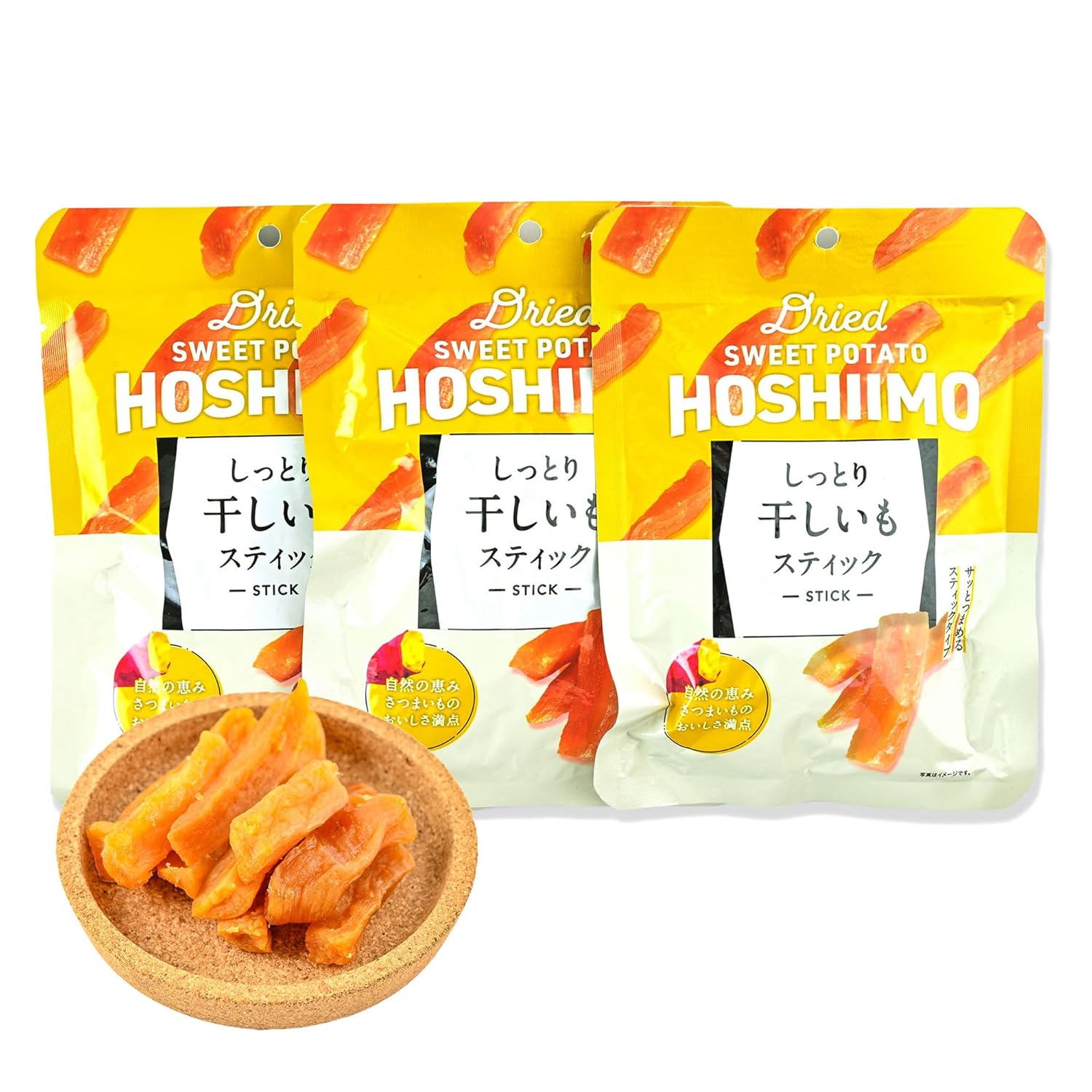
Affordable dried Japanese sweet potato snack with natural sweetness and fiber.
Conclusion
Okinawan sweet potatoes are an important food linked to longevity.
Their fiber and antioxidants make them a nutritious addition to a healthy diet.
8. Pickled Vegetables
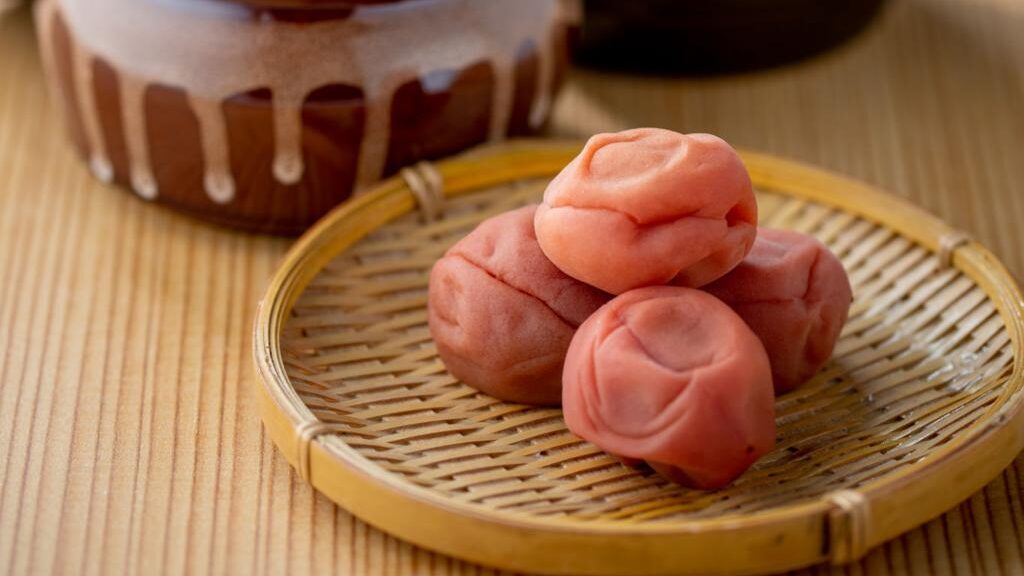
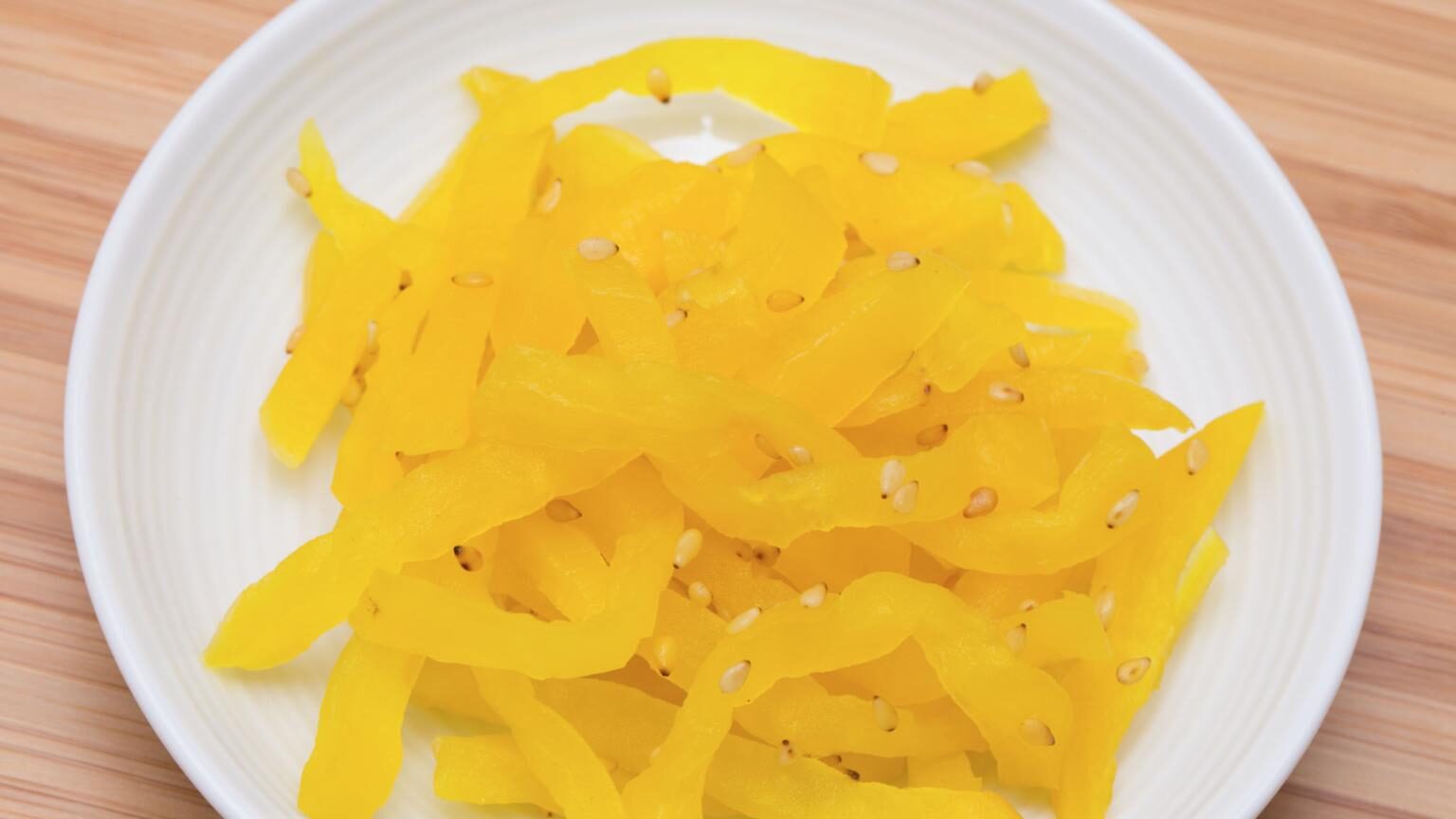
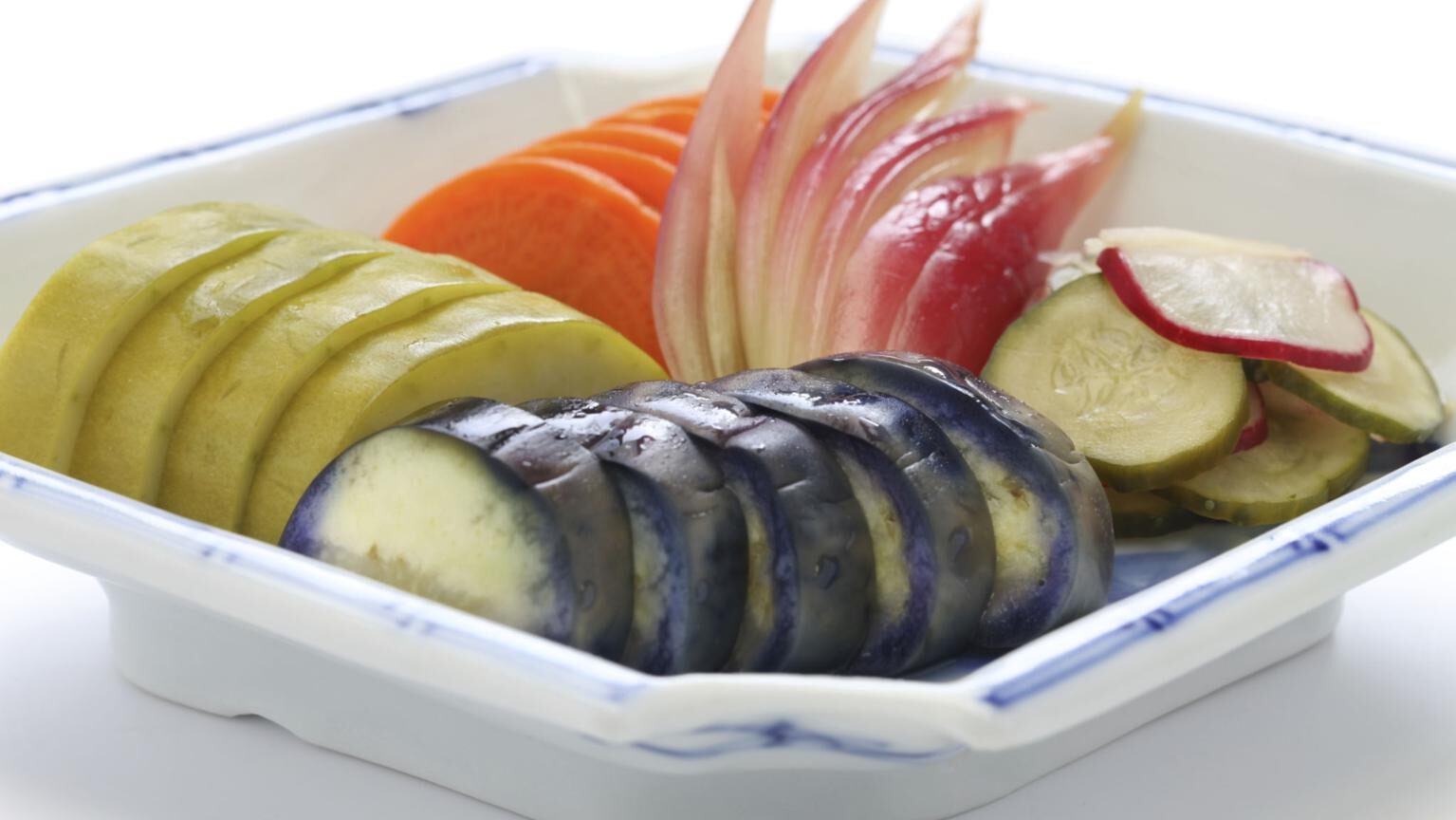
What are Pickled Vegetables?
Pickled vegetables, called tsukemono, are traditional Japanese side dishes.
They are made by fermenting vegetables with salt or rice bran.
Tsukemono are commonly served with rice and help balance flavors in a meal.
Health Benefits
- supports gut health
- contains beneficial bacteria
- improves digestion
- adds essential vitamins
Pickled vegetables are one example of how small fermented side dishes support variety in the traditional Japanese diet. You can explore this more in our guide to the traditional Japanese diet and longevity.
How to Eat Pickled Vegetables
Pickled vegetables are commonly served in small portions alongside other dishes in Japan. They add flavor, texture, and variety to meals, making them an easy way to support a more balanced eating pattern.
If you are trying Japanese pickles for the first time, use them as a side dish rather than the main focus of a meal. Small amounts are often enough to make meals more satisfying and enjoyable.
Recommended product
Traditional Japanese pickled vegetables.
Umeboshi (Japanese Pickled Plum)
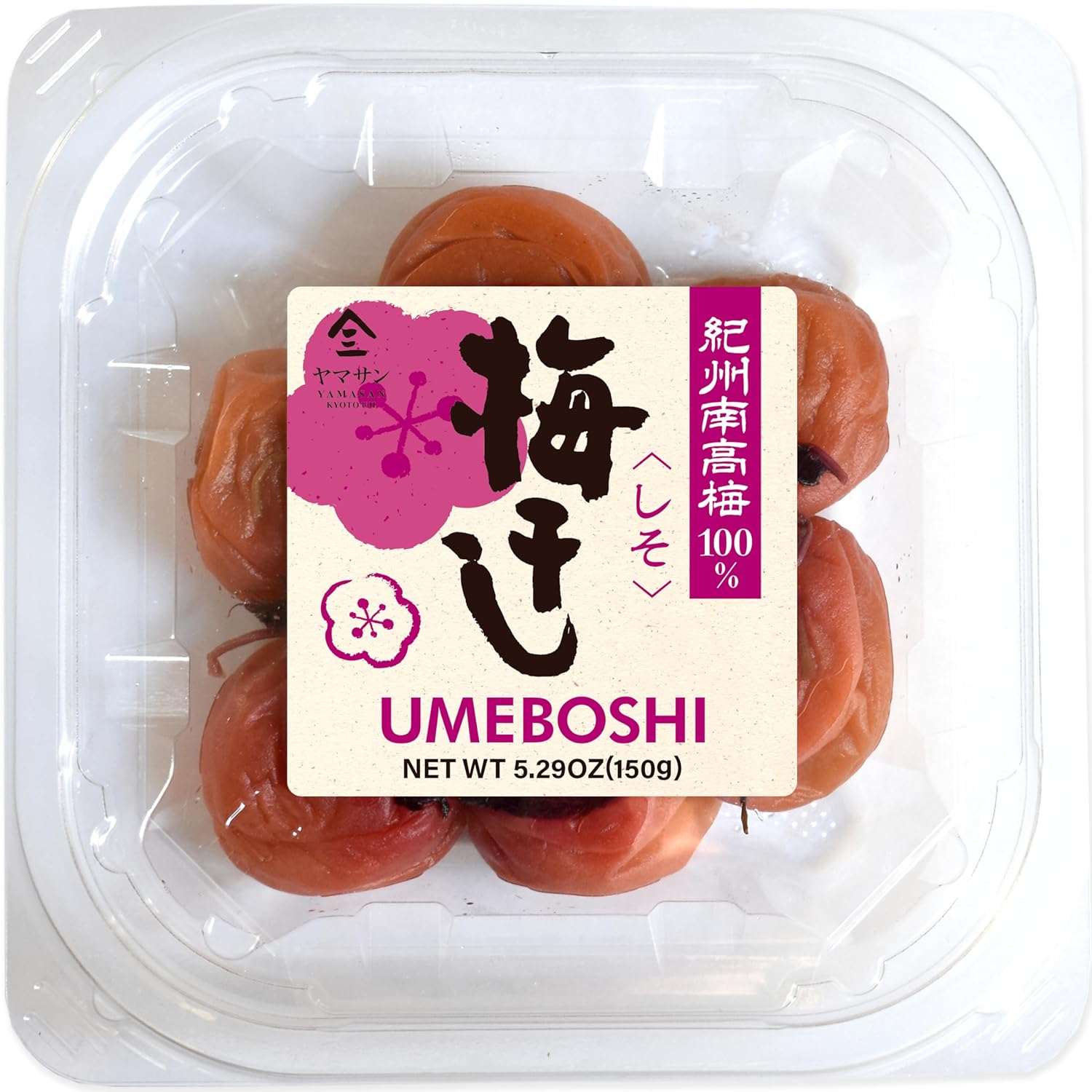
Umeboshi are traditional Japanese pickled plums known for their intense sour flavor and digestive benefits.
Takuan (Pickled Daikon Radish)
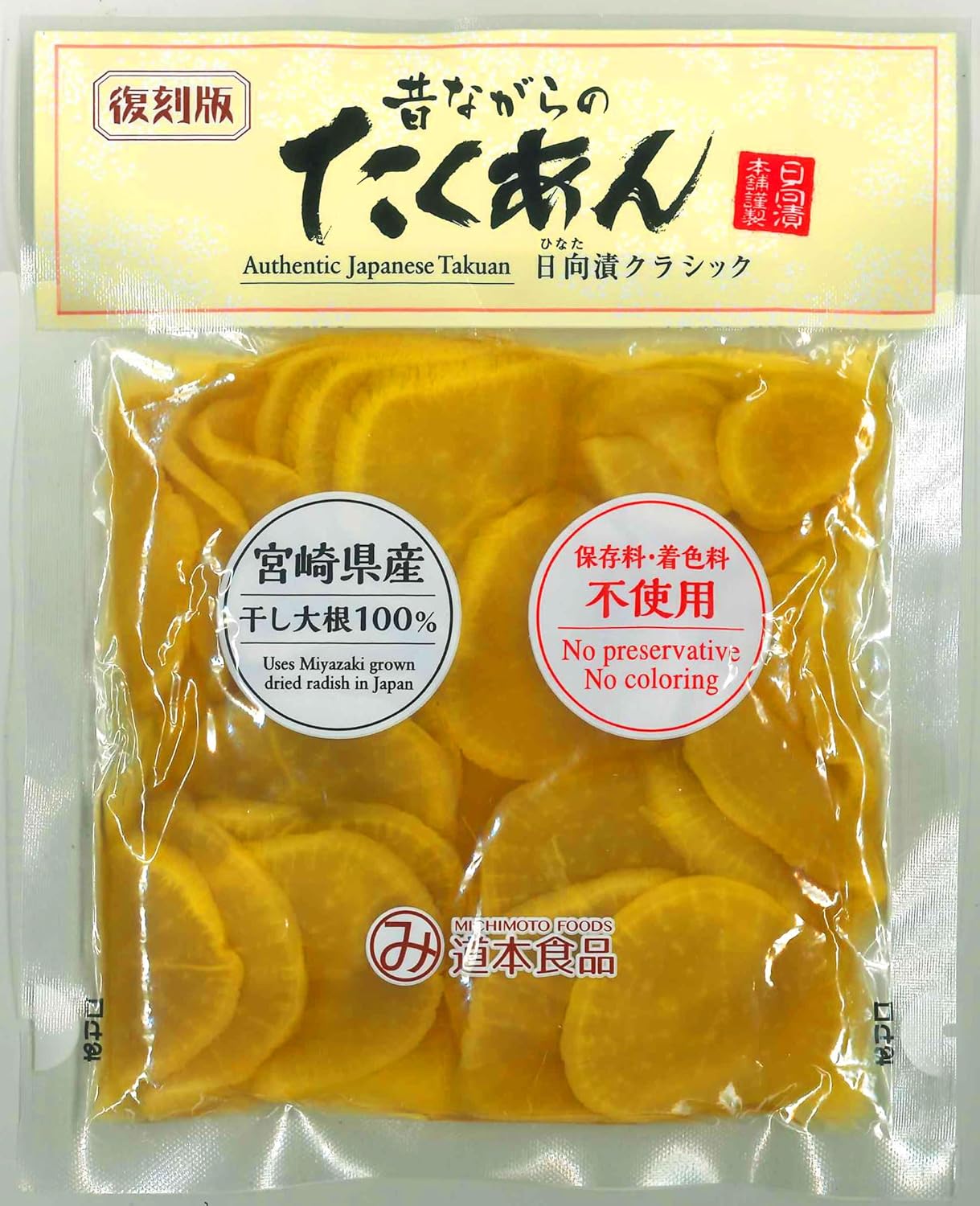
Classic pickled vegetables commonly served with rice.
Asazuke Pickling Mix
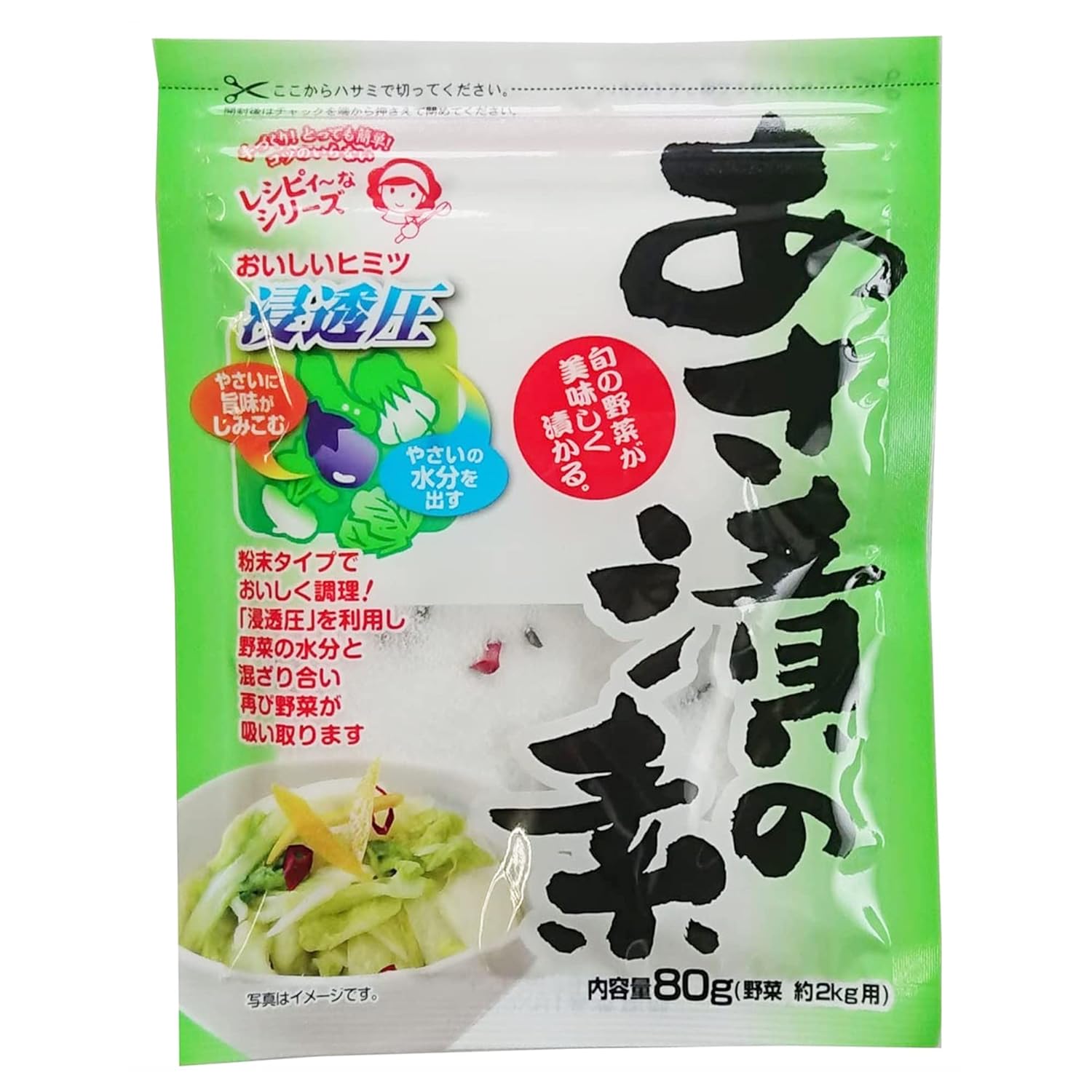
Affordable pickled vegetable varieties.
Conclusion
Pickled vegetables add flavor and beneficial bacteria to meals.
They are an important part of the traditional Japanese diet.
9. Brown Rice
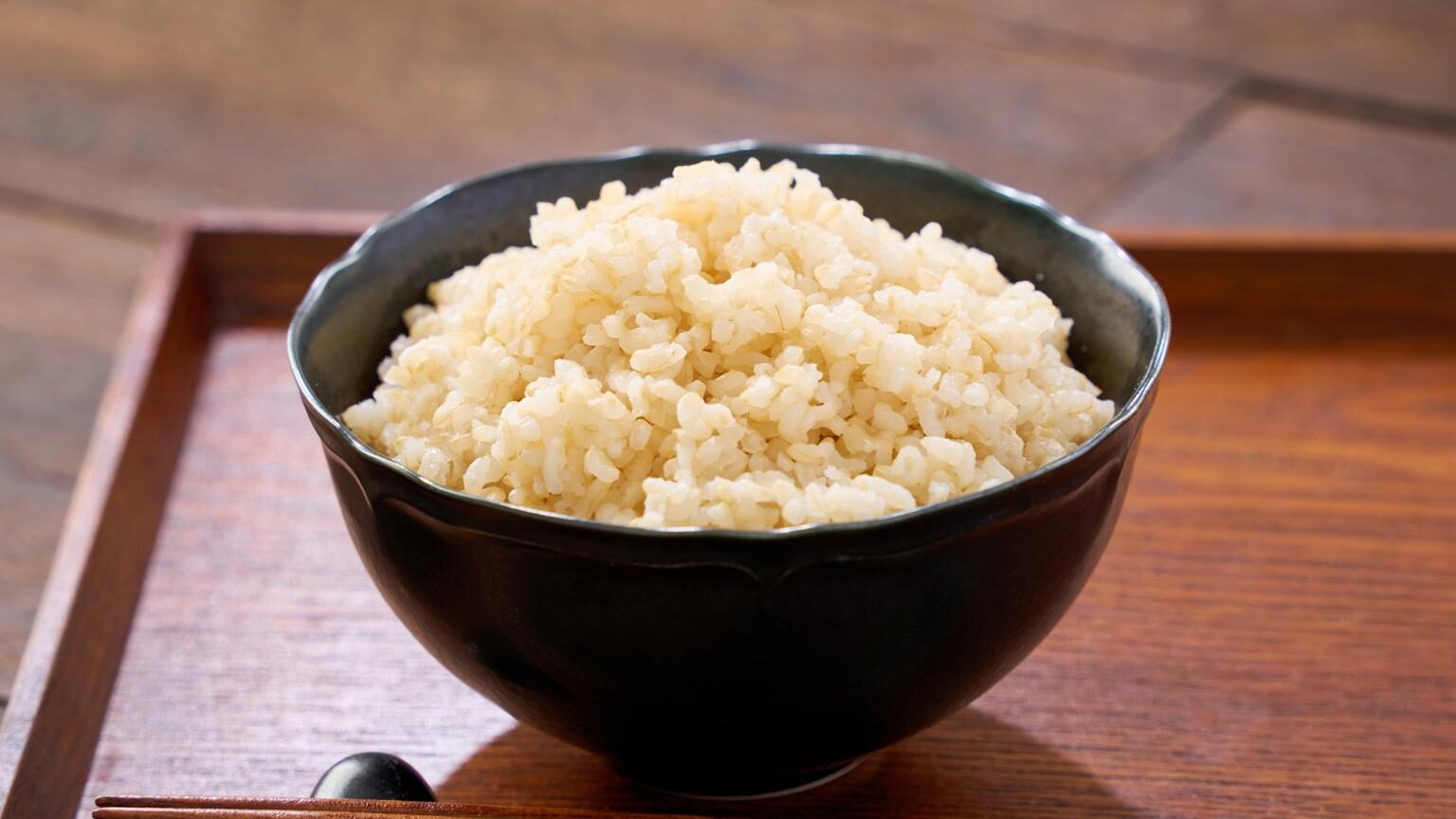
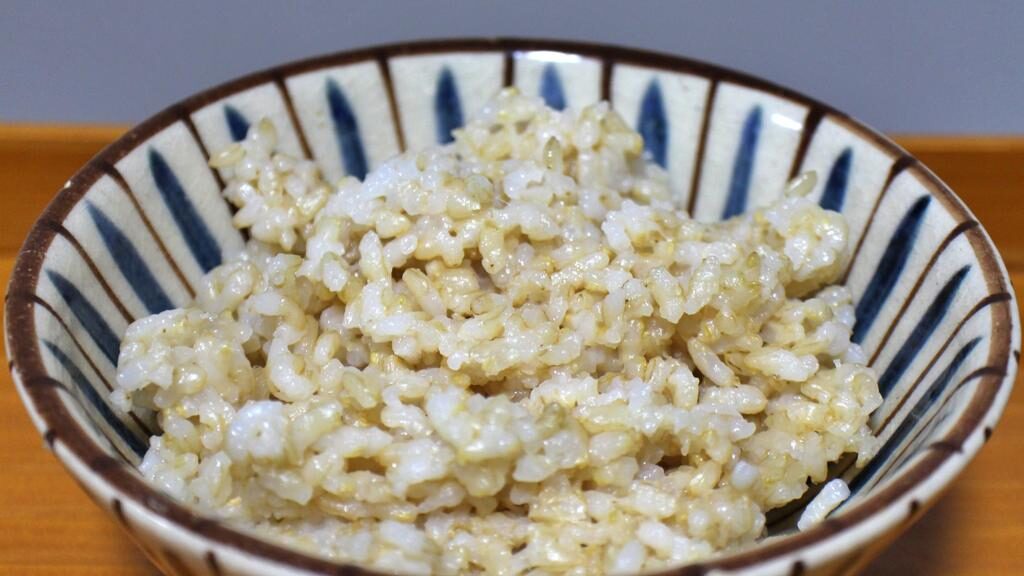
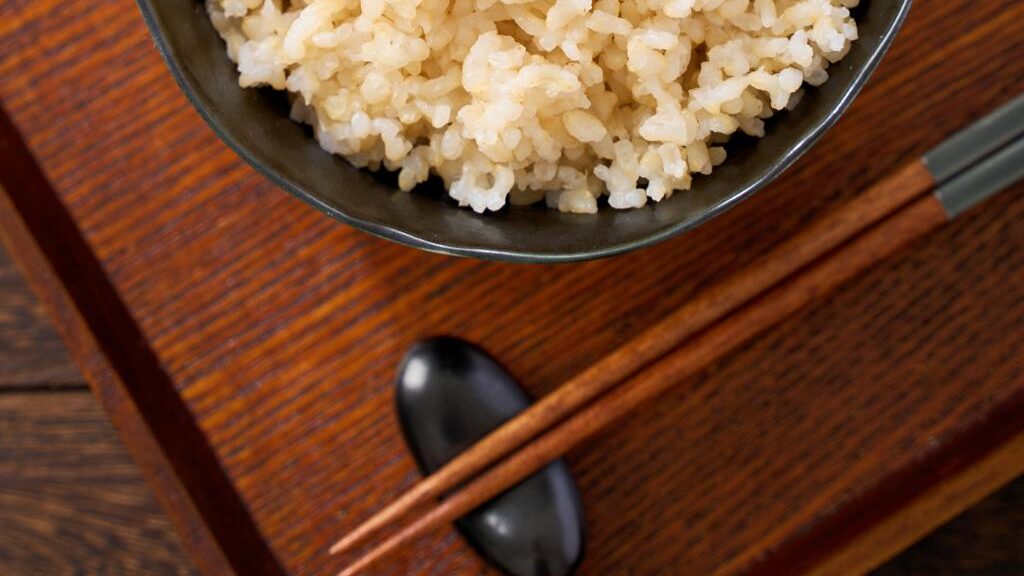
What is Brown Rice?
Brown rice, known as genmai in Japan, is whole-grain rice with the outer bran layer intact.
It is less processed than white rice and contains more nutrients and fiber.
Many health-conscious people in Japan choose brown rice as part of a balanced diet.
Health Benefits
- rich in fiber
- supports digestive health
- contains essential minerals
- helps maintain stable energy levels
Brown rice reflects the broader philosophy of the traditional Japanese diet: simple, minimally processed foods eaten consistently over time. For more, read our guide to the Japanese diet and longevity.
How to Eat Brown Rice
Brown rice can be used as a gradual replacement for white rice rather than an all-or-nothing switch. Many people find it easier to begin with a mix of brown rice and white rice before moving toward a higher proportion of whole grains.
If you are aiming for better long-term dietary balance, eating brown rice two or three times a week can be a realistic starting point. The goal is not perfection, but creating sustainable habits that support healthy aging over time.
Recommended product
Whole grain Japanese brown rice.
Premium Brown Rice
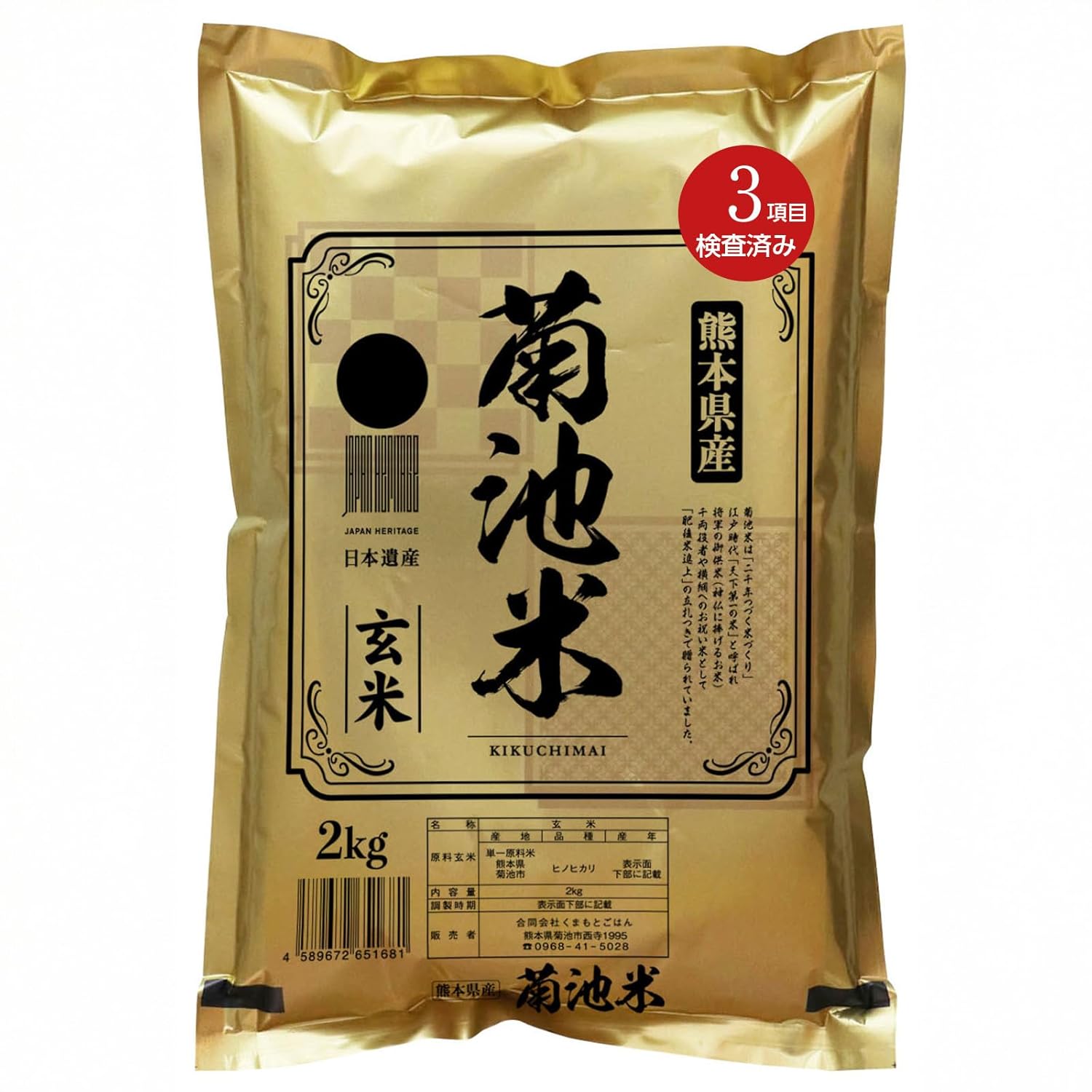
Organic Japanese brown rice grown using natural farming methods.
Traditional Brown Rice
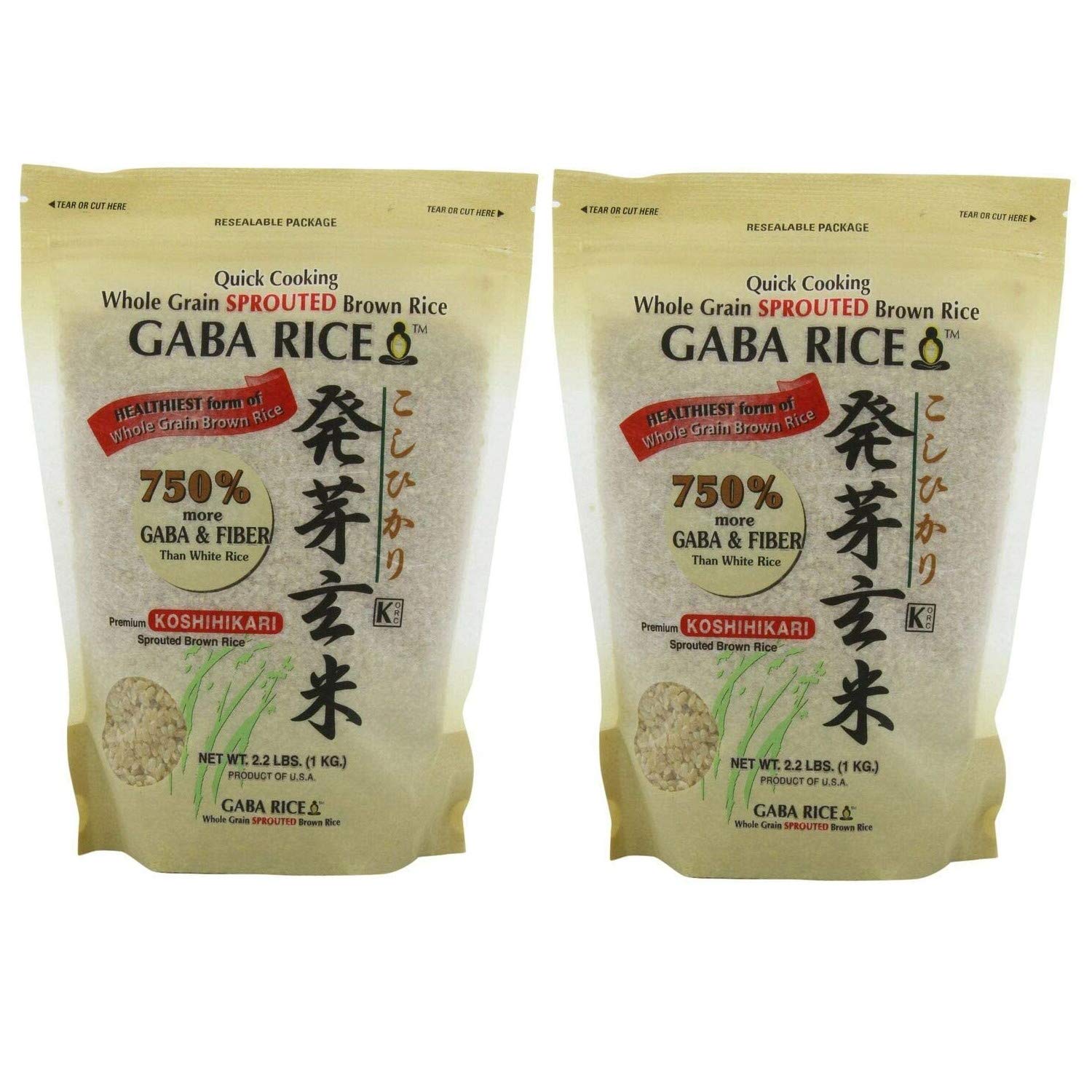
Classic Japanese genmai used in traditional cooking.
Budget Brown Rice
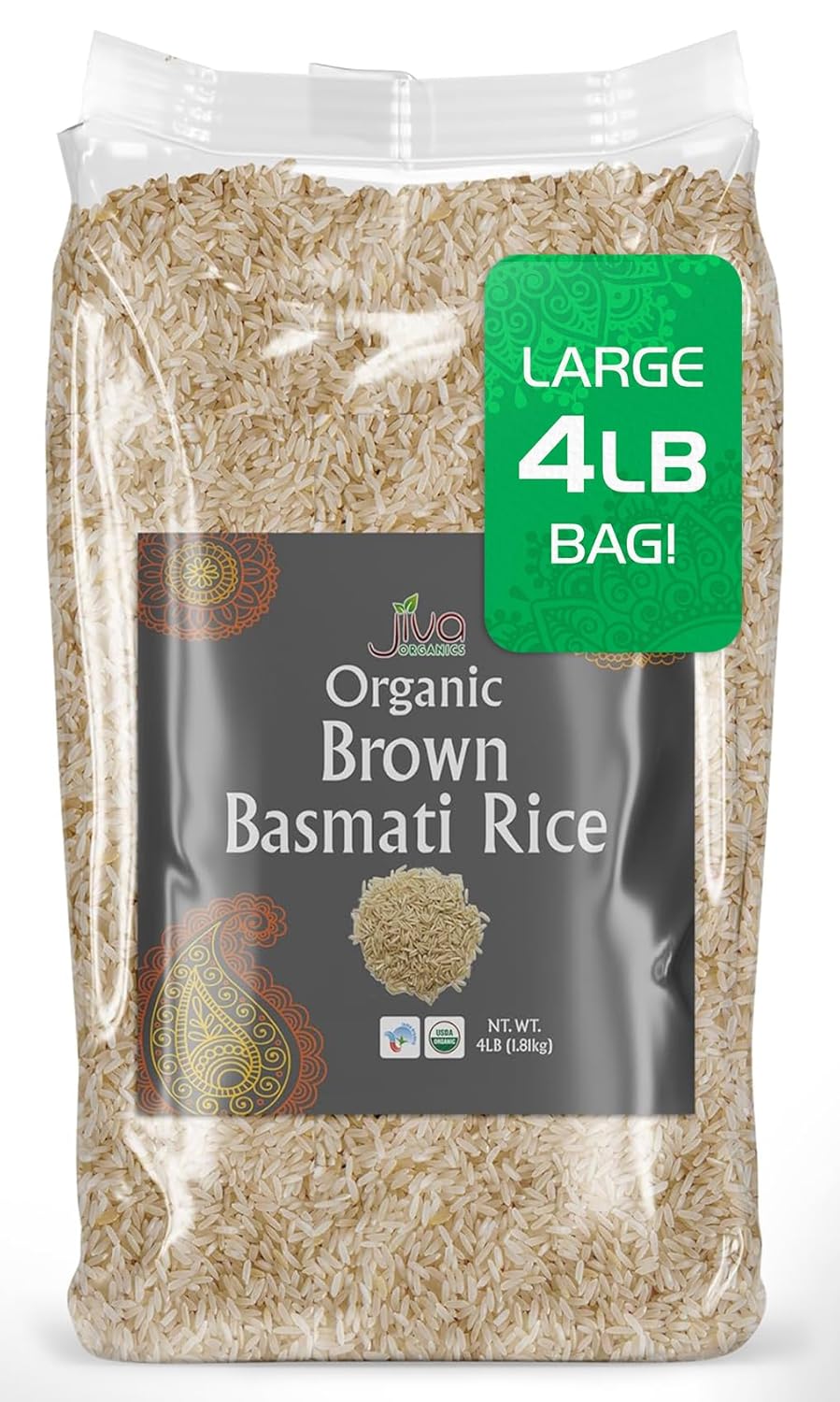
Affordable brown rice suitable for everyday meals.
Conclusion
Brown rice provides more nutrients than white rice and supports balanced nutrition.
It is a healthy staple for people seeking a traditional Japanese diet.
Final Thoughts
Longevity is rarely about one superfood. What makes the traditional Japanese approach so powerful is the overall pattern: simple meals, fermented foods, fish, tea, plant-based ingredients, and habits that are easy to repeat for years.
If you want to start small, choose just one or two foods from this list and make them part of your weekly routine. Over time, these small, consistent choices can build a way of eating that feels both sustainable and deeply nourishing.
Want to go deeper? Continue with our related guides on the traditional Japanese diet and longevity, sugar and aging, and spermidine for healthy aging.
Frequently Asked Questions
What is the healthiest Japanese food for longevity?
There is no single best food, but natto, miso, fish, green tea, and seaweed are often highlighted because they provide a combination of protein, beneficial fats, antioxidants, fiber, and fermented compounds. The biggest benefit usually comes from eating a variety of these foods regularly rather than focusing on only one.
Do I need to eat all 9 Japanese foods every day?
No. Longevity is more about consistent dietary patterns than daily perfection. Even adding one or two of these foods to your routine each week can be a meaningful step toward a more balanced and longevity-friendly diet.
Are Japanese longevity foods beginner-friendly?
Yes. Many of them are easy to try, especially green tea, tofu, fish, sweet potatoes, miso soup, and brown rice. Foods like natto or certain seaweeds may take more time to get used to, but you do not need to start with the most unfamiliar options.
Which Japanese foods are best for gut health?
Fermented foods such as miso, natto, and some traditional pickled vegetables are often considered especially supportive of gut health. They are commonly included in Japanese meals and fit naturally into a broader diet that also includes fiber-rich foods.
Why is the traditional Japanese diet linked to longevity?
The traditional Japanese diet is often linked to longevity because it emphasizes whole and minimally processed foods, moderate portions, plant diversity, fish, and fermented ingredients. This overall pattern may help support metabolic health, cardiovascular health, and healthy aging over time.
Recommended Japanese Longevity Foods
- Organic miso paste
- Ceremonial grade matcha
- Japanese green tea
- Seaweed snacks
About The Zen Longevity
The Zen Longevity explores Japanese food culture, healthy aging, and evidence-informed wellness through the lens of daily practice. Our approach is shaped by both traditional Japanese wisdom and long-term lived experience around food, family health, and sustainable lifestyle habits.
This project was inspired by years of supporting health at home through simple, balanced Japanese meals, mindful routines, and small daily habits that can be continued over time. To learn more about the story and philosophy behind this site, visit our About / Philosophy page.
Last reviewed and updated: March 8, 2026
Disclaimer: This article is for educational purposes only and is not medical advice. For personal dietary or health concerns, consult a qualified healthcare professional.
References
- Leeuwendaal NK, Stanton C, O’Toole PW, et al. Fermented Foods, Health and the Gut Microbiome. Nutrients. 2022.
- Dimidi E, Cox SR, Rossi M, Whelan K. Fermented Foods: Definitions and Characteristics, Impact on the Gut Microbiota and Effects on Gastrointestinal Health and Disease. Nutrients. 2019.
- Tsukamoto Y, Ichise H, Kakuda H, Yamaguchi M. Intake of fermented soybean (natto) increases circulating vitamin K2 (menaquinone-7) and gamma-carboxylated osteocalcin concentration in normal individuals.J Bone Miner Metab. 2000.
- Farzaei MH, Bahramsoltani R, Abbasabadi Z, et al. Role of green tea catechins in prevention of age-related cognitive decline: Pharmacological targets and clinical perspective. J Cell Physiol. 2019.
- Jiang L, Wang J, Yu X, et al. Intake of Fish and Marine n-3 Polyunsaturated Fatty Acids and Risk of Cardiovascular Disease Mortality: A Meta-Analysis of Prospective Cohort Studies. Nutrients. 2021.
- Iso H, Kobayashi M, Ishihara J, et al. Intake of fish and n3 fatty acids and risk of coronary heart disease among Japanese: the Japan Public Health Center-Based (JPHC) Study Cohort I. Circulation. 2006.
- Matsuyama S, Zhang S, Tomata Y, et al. Japanese Diet and Mortality, Disability, and Dementia: Evidence from the Ohsaki Cohort Study. Ann Nutr Metab. 2022.
- Lomartire S, Marques JC, Gonçalves AMM. An Overview to the Health Benefits of Seaweeds Consumption.Mar Drugs. 2021.
- Muñoz IL, Cobos A, Diaz O, Aguilera JM. Minerals in edible seaweed: health benefits and food safety issues. Crit Rev Food Sci Nutr. 2022.
- Messina M. Soy and Health Update: Evaluation of the Clinical and Epidemiologic Literature. Nutrients. 2016.


コメント