Sugar Cravings and Aging: A More Balanced Japanese Perspective
Craving something sweet does not mean you lack discipline. In many cases, it reflects a pattern of unstable energy, stress, habit, or an overly processed way of eating. In this article, we explore how sugar cravings may relate to healthy aging, and how a gentler Japanese approach to sweetness can support more stable energy, better balance, and a calmer relationship with food.
Many people know this feeling well.
You want chocolate in the middle of the afternoon. You want something sweet immediately after a meal. You feel tired, unfocused, or emotionally flat, and sugar seems to promise a quick lift.
This pattern is common, and it is not simply a matter of willpower.
Cravings often appear when the body is moving through rapid shifts in energy. Highly refined sweet foods can create a brief sense of comfort or stimulation, but they are often followed by another drop in energy, another craving, and another cycle of reaching for more.
Over time, this can become exhausting.
And when it happens often, it may also shape how we think about aging, energy, skin, mood, and everyday resilience.
The good news is that the answer is not necessarily to eliminate sweetness completely.
A more sustainable approach is to change the quality of sweetness, the structure of meals, and the rhythm of daily eating.
In this article
- Why sugar cravings can feel so difficult to stop
- How refined sugar may influence energy and aging
- What glycation means, in simple terms
- How Japanese sweeteners offer a gentler alternative
- How to build a calmer relationship with sweetness
- Why Sugar Cravings Can Feel So Hard to Stop
- How Refined Sugar May Affect Healthy Aging
- What Glycation Means, in Simple Terms
- A Japanese Perspective on Sweetness
- From Refined Sugar to More Thoughtful Sweetness
- Japanese Sweeteners Worth Knowing
- Why Fermented Sweetness Can Feel Gentler
- How to Change Your Relationship with Sugar More Gently
- Practical Ways to Start
- Final Thoughts
- Recommended Japanese Sweeteners
Why Sugar Cravings Can Feel So Hard to Stop
Sugar cravings are often reinforced by biology.
When we eat highly refined sweet foods, blood sugar may rise quickly and then fall quickly. That shift can leave us feeling tired, irritable, foggy, or hungry again sooner than expected. In response, the body often asks for another fast source of energy.
This is one reason the cycle can feel so repetitive.
It is not only psychological. It is also physical.
When energy rises and falls too sharply, cravings can become part of the body’s attempt to regain stability. Stress, poor sleep, ultra-processed foods, and meals that lack protein or fiber can make this pattern even stronger.
That is why fighting cravings through sheer self-control is often not enough.
The more useful question is: What kind of eating pattern is creating this instability in the first place?
A gentler way to think about cravings
Sugar cravings are not always a sign of weak willpower. They are often a sign that energy, meal balance, or daily rhythm has become unstable.
How Refined Sugar May Affect Healthy Aging
Sweetness itself is not the problem.
The more important issue is the form it takes, how often it appears, and whether it contributes to a cycle of excess and instability. Highly refined sugars can be easy to overconsume because they are absorbed quickly and often appear in foods that provide very little lasting nourishment.
This matters not only for short-term energy, but also for long-term health.
A diet built heavily around refined sugar may contribute to wider metabolic strain. It can encourage repeated blood sugar fluctuations, dependence on quick energy, and a style of eating that makes deeper nourishment harder to maintain.
For people interested in healthy aging, this is especially relevant.
Long-term vitality is usually supported by steadier patterns: meals that satisfy, energy that feels more even, and foods that nourish instead of constantly pushing the body into recovery mode.
What Glycation Means, in Simple Terms
One reason sugar and aging are often discussed together is a process called glycation.
In simple terms, glycation refers to what happens when excess sugar interacts with proteins in the body in ways that may reduce their normal flexibility and function over time. Researchers often discuss its role in relation to aging, especially in areas such as skin, blood vessels, and metabolic health.
This is where terms like AGEs, or advanced glycation end-products, come into the conversation.
You do not need to become overly technical about this to understand the basic point: when the body is repeatedly exposed to excessive sugar in an unstable dietary pattern, the long-term effects may be less supportive of graceful aging.
This does not mean occasional sweetness is harmful in itself.
It means the overall pattern matters. Frequency matters. And the quality of the sweetener may also matter.
Glycation, simply explained
Glycation is one reason sugar is often discussed in relation to aging. The concern is not one sweet food by itself, but a repeated long-term pattern of excess and instability.
A Japanese Perspective on Sweetness
In a Japanese context, sweetness has not traditionally been only about intensity.
Many traditional Japanese sweets and sweetening methods are more restrained than modern ultra-processed desserts. The goal is often balance, subtlety, and satisfaction rather than overpowering stimulation.
This creates a different relationship with sweetness.
Instead of treating sweet taste as something to maximize, it becomes something to use more thoughtfully. Smaller portions, slower enjoyment, and sweeteners that still retain more of their original character can all contribute to a calmer experience.
This is part of what makes the Japanese perspective useful.
It does not require a harsh war against sugar. It suggests that sweetness can remain in life, but in a more intelligent, steady, and respectful form.
From Refined Sugar to More Thoughtful Sweetness
A more balanced approach begins not by rejecting all sweetness, but by upgrading it.
Refined white sugar is highly processed and easy to use in excess. It can sweeten quickly, but it often adds very little depth beyond that immediate taste. In contrast, less refined sweeteners can offer a more complex flavor and may encourage slower, more moderate use.
This difference is not magic.
Unrefined sweeteners are still sweeteners, and they should still be used with awareness. But many people find that their deeper taste and more grounded texture help reduce the desire for exaggerated sweetness.
In that sense, the goal is not to “beat” sugar.
It is to move from shallow sweetness toward more satisfying sweetness.
Japanese Sweeteners Worth Knowing
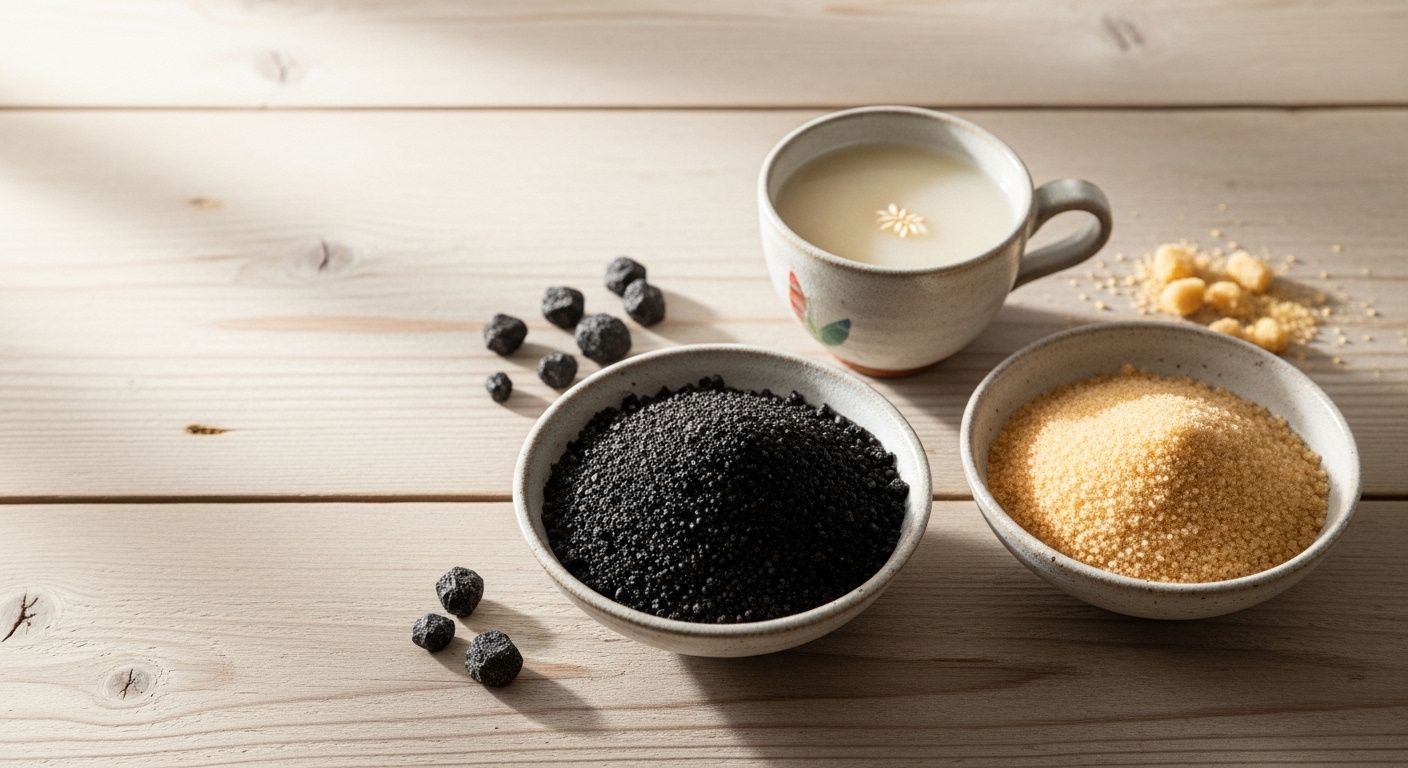
1. Kokuto (Japanese Black Sugar)
Kokuto is one of the most distinctive traditional sweeteners in Japan.
Made by boiling down sugarcane juice with minimal refinement, it retains a darker color and a deeper flavor than white sugar. Many people appreciate it not only for sweetness, but for its richness and sense of depth.
This matters because deeper sweetness can feel more satisfying.
Instead of creating a sharp, quickly fading sweet taste, kokuto often feels slower and fuller. For some people, that makes it easier to enjoy sweetness in smaller amounts.
Block-type kokuto can be enjoyed in small pieces, while powdered forms may be easier to use in drinks or cooking.
2. Unrefined Cane Sugar
Unrefined cane sugar, including products similar to Japanese light brown sugars, can be a useful transition for people who want something more familiar than kokuto.
It works more easily in baking, sauces, coffee, or tea, while still feeling less stripped-down than refined white sugar.
This makes it a practical “everyday sweetener” for many kitchens.
Rather than treating it as a health food, it is better understood as a more thoughtful replacement in a broader move toward less processed sweetness.
3. Fermented Sweetness: Amazake and Hon-Mirin
Some of the most interesting Japanese sweetening traditions come not from refined sugar, but from fermentation.
Amazake, especially rice-koji based amazake without added sugar, offers a naturally gentle sweetness rooted in fermentation. Hon-mirin, when authentic and traditionally made, can also contribute a more layered and subtle sweetness in cooking.
These foods are especially interesting because they reflect a different philosophy.
Instead of forcing sweetness into food, they allow sweetness to emerge through transformation. This makes them feel more integrated into the food itself.
Japanese sweeteners worth exploring
- Kokuto (Japanese black sugar)
- Unrefined cane sugar
- Rice-koji amazake
- Authentic hon-mirin
Why Fermented Sweetness Can Feel Gentler
Fermented sweetness is not just about taste.
It also tends to come in a different nutritional and culinary context from highly refined sugar. Products like amazake and traditional mirin are part of older food traditions in which sweetness is integrated into meals, digestion, and kitchen rhythm rather than isolated into processed snacks.
This can create a very different experience.
Instead of a sharp sweet hit followed by another craving, fermented sweet foods may feel calmer, rounder, and more rooted in the meal itself.
Again, this does not mean they should be treated as miracle products.
But they do reflect an important principle: sweetness can be part of a nourishing food culture rather than a cycle of overstimulation.
How to Change Your Relationship with Sugar More Gently
You do not need to transform your eating overnight.
A more realistic beginning is to change one layer at a time. You might replace one daily sweetener. You might choose a more balanced breakfast so you are less likely to crash by mid-morning. You might start having tea and a small, more satisfying sweet instead of highly processed snacks.
You might also begin by asking a different question.
Not “How do I stop craving sugar completely?” but “How do I create meals and routines that make cravings less desperate?”
That shift is important.
It turns the goal from control into support.
A better place to begin
Instead of fighting sweetness, improve the quality of meals, reduce refined sugar where possible, and choose forms of sweetness that feel more satisfying and less extreme.
Practical Ways to Start
Here are a few gentle ways to begin:
- Replace refined white sugar with a less refined sweetener in one daily habit
- Try kokuto in small amounts when you want something sweet
- Use unrefined cane sugar in home cooking instead of standard white sugar
- Explore unsweetened or naturally sweet rice-koji amazake
- Use authentic hon-mirin for more subtle sweetness in savory cooking
- Pair sweets with more balanced meals instead of eating them into an energy crash
These changes may seem small, but they can reshape the emotional experience of sweetness over time.
Final Thoughts
Sugar cravings do not have to become a lifelong battle.
Very often, they are a signal that energy, meals, and daily rhythms need more support. A more balanced approach to aging does not require total deprivation. It asks for better structure, calmer sweetness, and more thoughtful choices.
This is one reason the Japanese perspective can be so useful.
It does not treat sweetness as an enemy, nor does it celebrate excess. Instead, it suggests that sweetness can remain in life in a more grounded, subtle, and sustainable form.
That may be one of the most realistic ways to move from craving toward harmony.
Related reading on The Zen Longevity
Recommended Japanese Sweeteners
If you are trying to build a calmer relationship with sweetness, it helps to begin with a few gentler alternatives rather than trying to eliminate sweet taste altogether.
The goal is not to create a perfect diet overnight. It is to choose forms of sweetness that feel more grounded, more satisfying, and easier to use with awareness in everyday life.
A gentler place to begin
- Replace one daily refined sweetener with a less refined alternative
- Choose sweetness that feels more satisfying in smaller amounts
- Explore Japanese ingredients that support a steadier kitchen rhythm
- Focus on sustainable daily habits rather than strict restriction
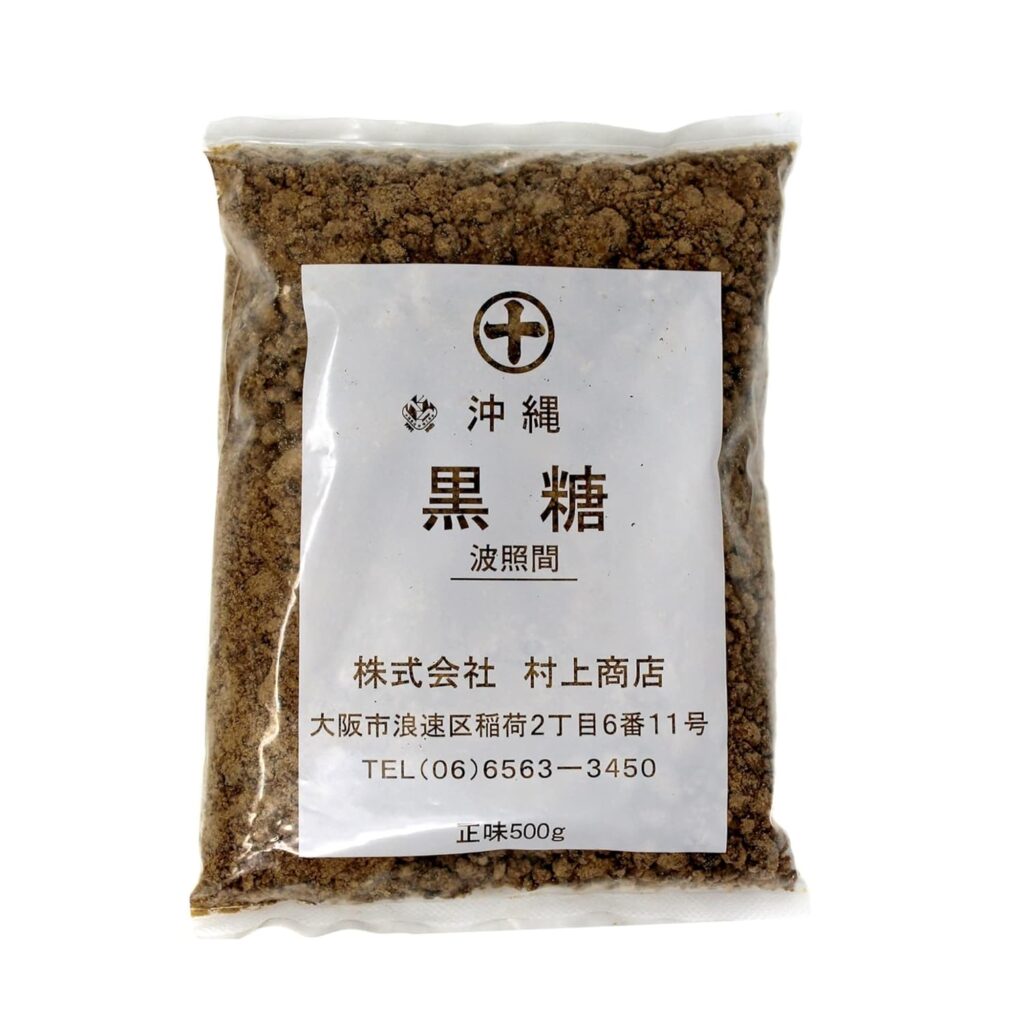
1. Kokuto (Japanese Black Sugar)
Kokuto offers a deeper, richer sweetness than refined white sugar and can feel more satisfying in small amounts. It is one of the most distinctive traditional Japanese sweeteners to explore first.
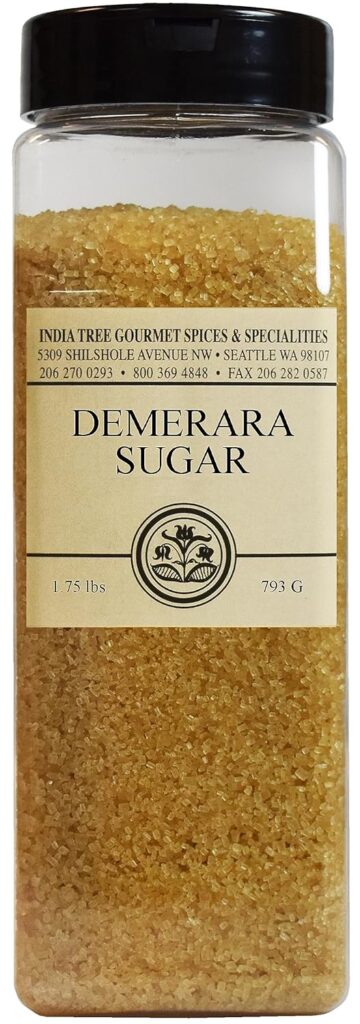
2. Unrefined Cane Sugar
Unrefined cane sugar can be an easy everyday replacement for white sugar in tea, coffee, sauces, and home cooking. It offers a more grounded sweetness while still being familiar and practical.
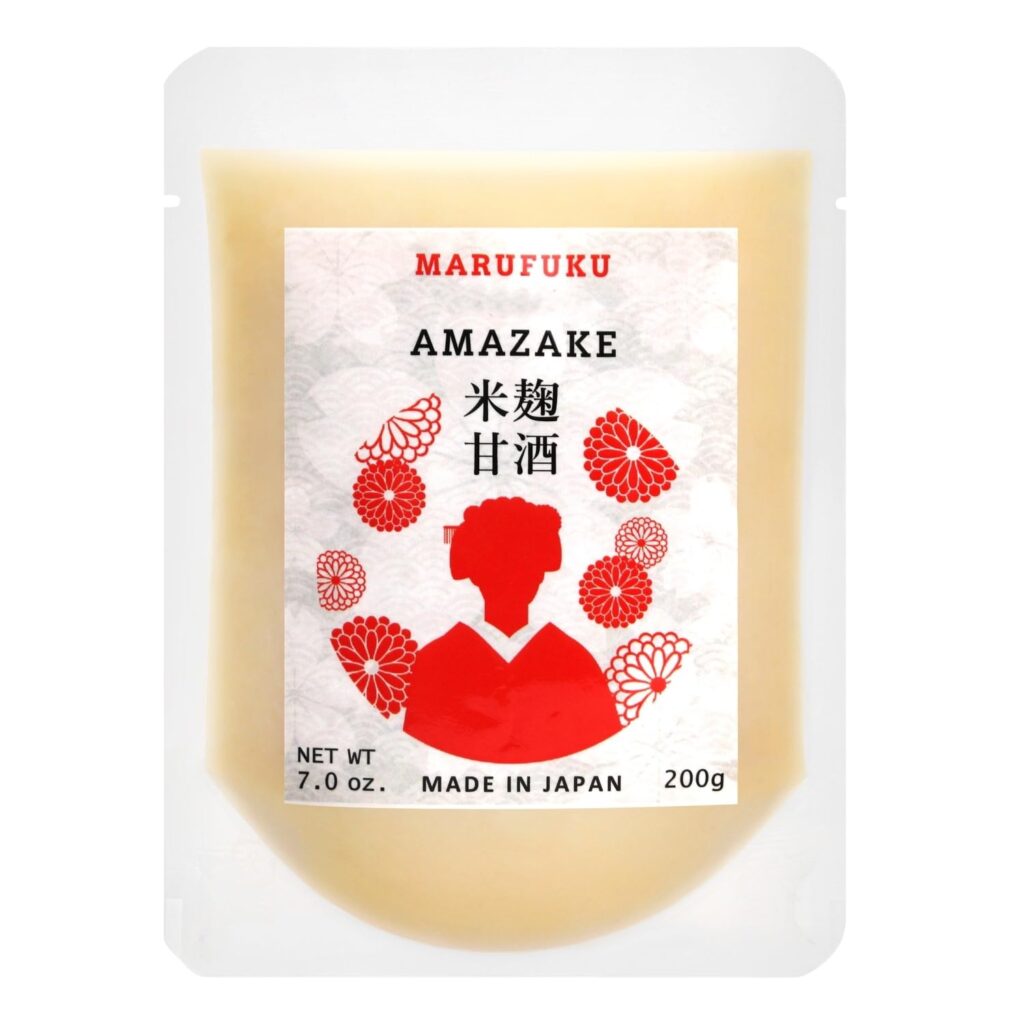
3. Rice-Koji Amazake
Unsweetened or naturally sweet rice-koji amazake offers a softer, fermented sweetness rooted in traditional Japanese food culture. It can be a gentle alternative when you want something sweet but less abrupt.

4. Authentic Hon-Mirin
Traditionally made hon-mirin brings a more subtle, layered sweetness to savory dishes. It is less about dessert and more about helping meals feel balanced, rounded, and deeply flavorful.
A note on recommendations
We recommend sweeteners that support a more balanced relationship with sweetness in everyday life. The goal is not to remove all pleasure from food, but to choose forms of sweetness that feel calmer, more satisfying, and easier to use with awareness.


コメント