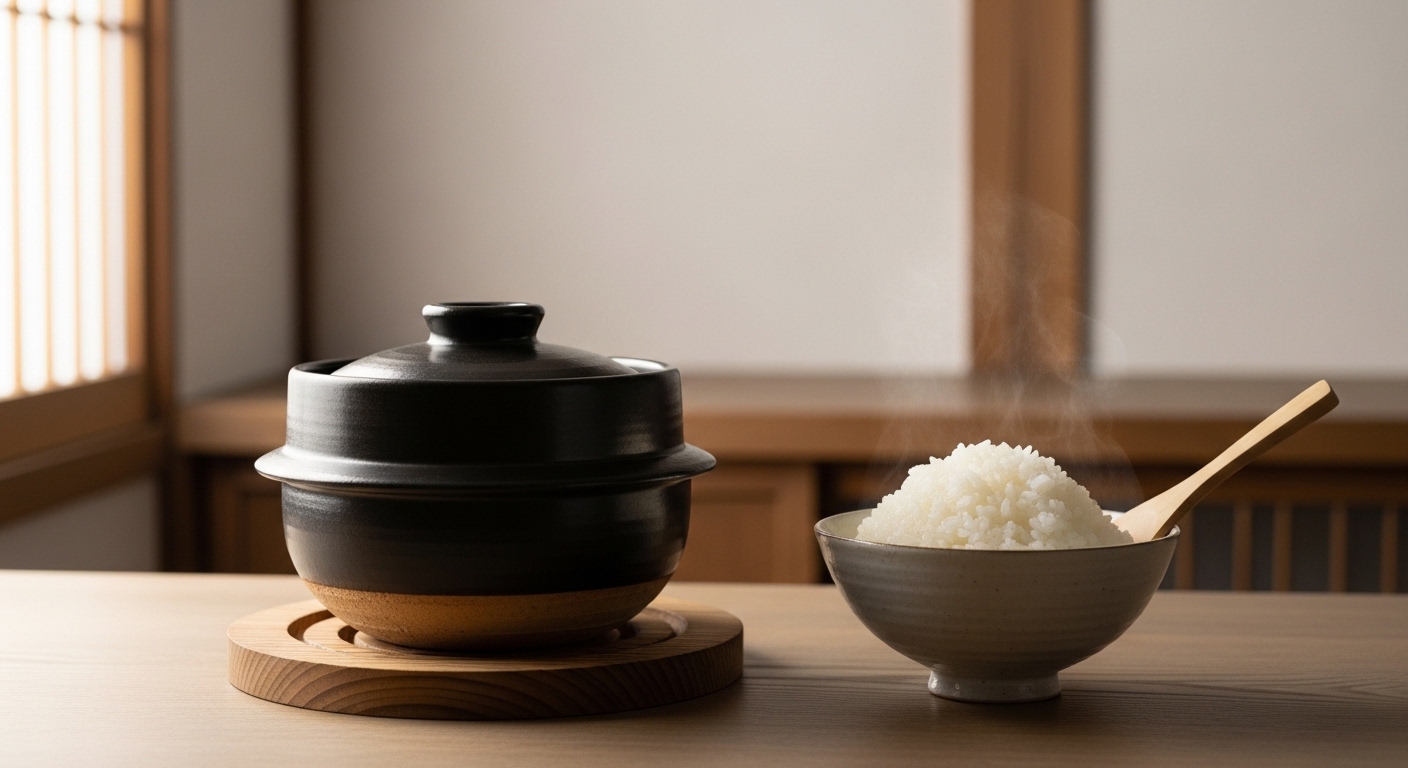
Donabe Rice: Why a Clay Pot Can Change the Feeling of a Meal
Donabe rice is not only about how the rice tastes. It is also about how the meal feels. A clay pot brings a quieter rhythm to cooking, and that rhythm can change the atmosphere of the table in ways that are hard to measure but easy to notice.
In a Japanese home kitchen, rice is often the calm center of the meal. It does not need to be dramatic. It simply needs to feel warm, fragrant, and complete enough to hold the rest of the meal together. When rice is cooked in a donabe, that feeling often becomes a little stronger.
The change is subtle, but meaningful. The aroma may feel deeper, the texture may seem softer, and the act of cooking itself can feel less automatic. For people drawn to a slower, more grounded way of eating, that small shift can matter a great deal.
In this article
- What donabe rice is and why it feels different
- How a clay pot changes the taste and texture of rice
- Why donabe cooking can change the mood of the meal
- Who a rice donabe makes sense for at home
- A few simple tools that support a calmer rice ritual
- What makes donabe rice feel so different
- Why the aroma and texture often feel richer
- Donabe rice slows the meal in a good way
- Why a clay pot fits the Japanese idea of everyday abundance
- Who a rice donabe makes sense for
- When I would choose donabe rice over a rice cooker
- What changes in the feeling of the meal
- My own perspective on donabe rice
- Recommended Donabe Rice Basics
- Final Thoughts
What makes donabe rice feel so different
A donabe is a traditional Japanese clay pot, and when used for rice, it creates a cooking experience that feels both simple and intentional. Unlike a machine that disappears into the background, a donabe asks for a little attention. That attention becomes part of the meal.
Rice cooked in a clay pot often feels softer and more fragrant, with a kind of fullness that is hard to describe until you taste it. The grains can seem more distinct yet more tender at the same time. It is not always a dramatic difference, but it is often enough to make a modest meal feel more special.
Part of this comes from the way clay holds and distributes heat. But part of it also comes from the pace. Cooking rice in a donabe tends to slow you down just enough to notice the ingredient again.
Key point
Donabe rice changes more than texture. It changes the rhythm of cooking, and that rhythm can shape the feeling of the whole meal.
Why the aroma and texture often feel richer
Rice cooked in a clay pot often develops a fuller aroma as the steam rises. There is a softness to it, but also a deeper sense of warmth. Even plain rice can feel more expressive, which is one reason donabe rice pairs so beautifully with very simple meals.
The texture is part of the appeal too. Many people notice that the rice feels tender without becoming heavy, and that the grains hold together in a way that feels natural and comforting. This can make side dishes feel more complete without requiring anything complicated.
When rice is the foundation of the meal, these small differences become more important. Miso soup, grilled fish, pickles, tofu, or seasonal vegetables all feel a little more anchored beside rice that has been cooked with this kind of care.
Even plain rice can feel enough
One of the most beautiful things about donabe rice is that it can make plain rice feel like a meaningful part of the meal instead of just a filler. That matters in a Japanese-inspired kitchen, where simplicity is often part of the pleasure.
When the rice itself feels satisfying, you need less from everything else. The meal can stay modest, but still feel complete.
Donabe rice slows the meal in a good way
There is something about using a clay pot that naturally changes the pace of the kitchen. You wash the rice, let it rest, measure the water, and listen more closely. The process is still simple, but it asks you to be a little more present.
This is one reason I think donabe rice fits so naturally into a calm approach to longevity and mindful living. It is not about romanticizing effort for its own sake. It is about choosing a slower method now and then because that slower method changes the atmosphere of daily life.
Not every meal needs that pace. But when you do want dinner to feel more grounded, a donabe can shift the mood in a way a standard routine sometimes cannot.
A gentler approach
A donabe does not need to become your everyday rule. It can simply be one of the tools that makes certain meals feel more rooted and intentional.
Why a clay pot fits the Japanese idea of everyday abundance
Japanese home cooking often creates abundance through balance rather than excess. A bowl of rice, soup, a vegetable dish, and one or two small sides can already feel like enough when each part is prepared with care.
Donabe rice supports that kind of meal beautifully. It does not add complexity for the sake of complexity. It deepens the basic structure of the meal. And when the structure feels stronger, the entire meal feels more generous, even when it remains simple.
This is one reason clay pot rice feels so meaningful to me. It supports a quieter kind of satisfaction. Not the satisfaction of having more, but the satisfaction of feeling that what is already on the table is enough.
Who a rice donabe makes sense for
A rice donabe is not essential for every kitchen. It makes the most sense for people who genuinely enjoy rice-centered meals and who appreciate tools that change daily rituals, not just outcomes.
You enjoy slower home cooking
If part of the pleasure of cooking is the feeling it brings to the kitchen, not only the final result, a donabe may feel very natural.
You eat rice often
The more often rice appears in your meals, the more meaningful a dedicated rice pot becomes.
You like tools that age well in your routine
A donabe is not a novelty gadget. It is the kind of kitchen tool that can quietly become part of how you cook for years.
You want meals to feel calmer, not busier
This may sound paradoxical, since donabe rice requires more attention than pressing a button. But for many people, that small attention makes the meal feel calmer rather than more demanding.
When I would choose donabe rice over a rice cooker
I do not think this needs to be an all-or-nothing choice. A rice cooker is practical, dependable, and often the right choice for ordinary weekdays. But a donabe offers something different.
I would reach for a donabe when I want the meal to feel a little more special without becoming elaborate. A quiet weekend lunch, a slower dinner, or a meal built around soup, pickles, and a few simple sides can all become more memorable with clay pot rice.
That is what makes a donabe so appealing. It is not necessarily more efficient. It is simply more present.
What changes in the feeling of the meal
Once you cook rice in a donabe a few times, you may notice that the difference is not only on the stove. The whole meal may begin to feel a little different.
The table feels more intentional
Even a simple menu can feel more considered when the rice has been cooked this way.
You notice the rice more
Rice stops being background and becomes part of the pleasure of the meal.
Simple side dishes feel more connected
Soup, fish, tofu, greens, pickles, and small vegetable dishes often feel more coherent beside fragrant clay pot rice.
The meal may feel slower in the best sense
Not slower because it is inconvenient, but slower because it asks for a little more presence and gives a calmer kind of satisfaction in return.
Key point
A donabe can change the emotional texture of a meal. The food may stay simple, but the meal feels more rooted, more fragrant, and more complete.
My own perspective on donabe rice
What I love about donabe rice is that it does not need to be explained too much once you have tasted it. The change is quiet, but unmistakable. Rice feels warmer, softer, and somehow more central to the meal.
I also appreciate that a clay pot changes the way I move through cooking. It asks for a little more attention, but in return it makes the kitchen feel less rushed. That kind of exchange feels worthwhile to me.
In a home built around daily rhythms rather than perfection, a donabe is exactly the kind of tool that makes sense. It does not promise transformation. It simply helps ordinary meals feel more alive.
Recommended Donabe Rice Basics
If you want to explore donabe rice at home, these are the kinds of tools that make the experience feel natural and uncomplicated. The goal is not to build a collection, but to choose a few things that support a quieter rice ritual.
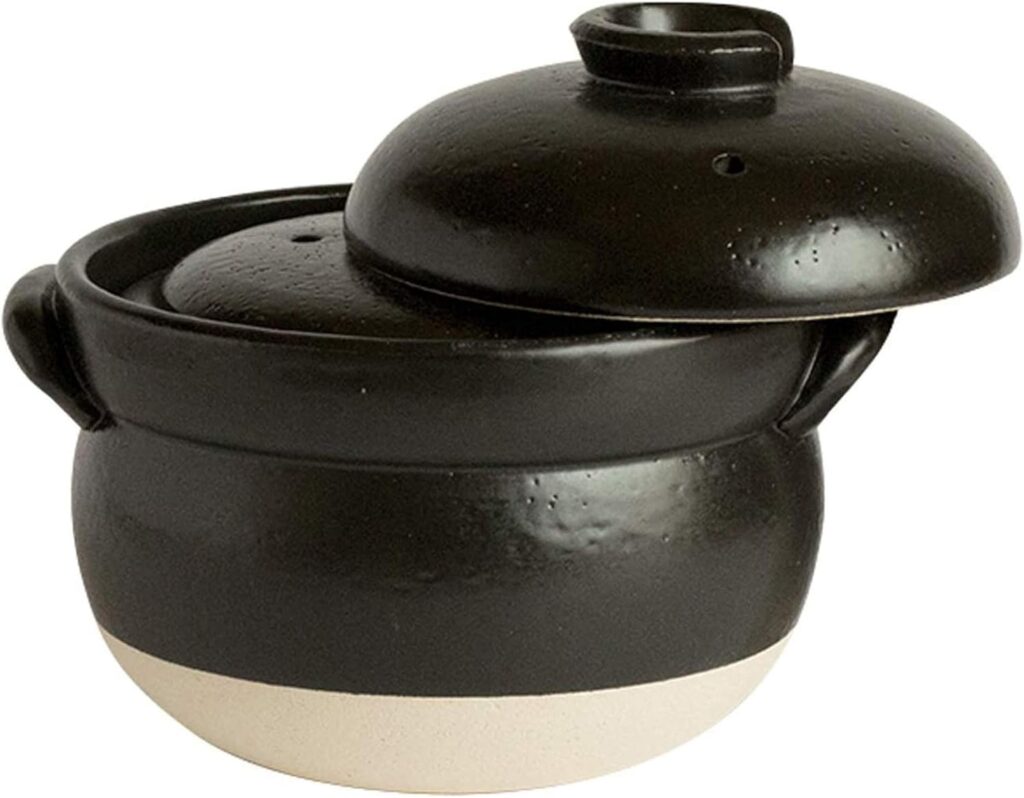
Japanese donabe rice cooker
A beautiful option for slower evenings or weekend meals, when you want rice to feel more fragrant, softer, and a little more intentional.
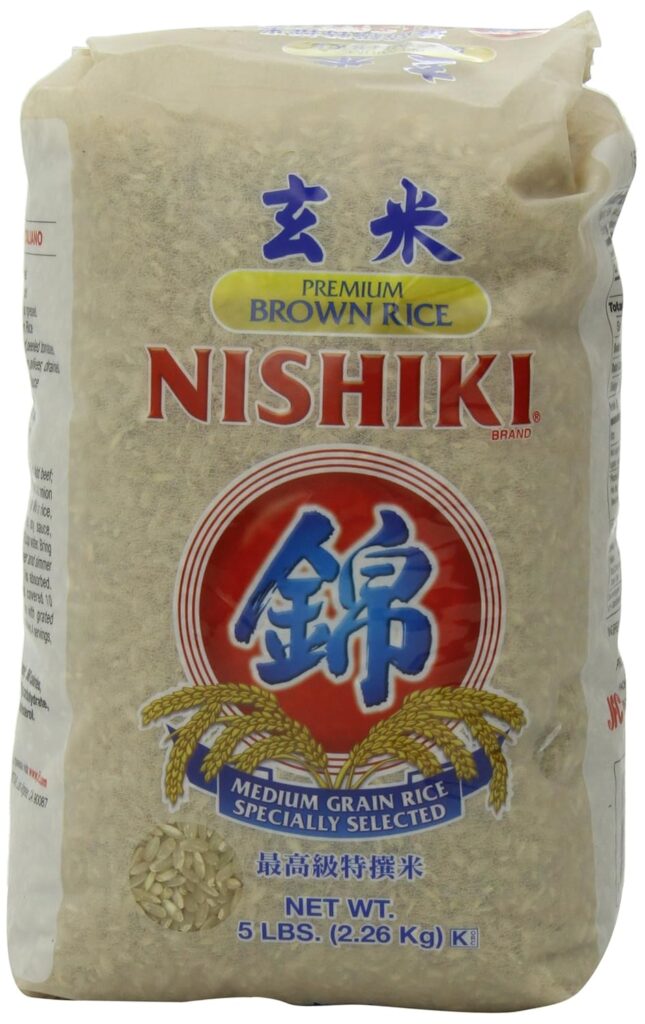
Japanese brown rice
A useful staple if you want to begin with good rice at home and choose more intentionally how you prepare it.
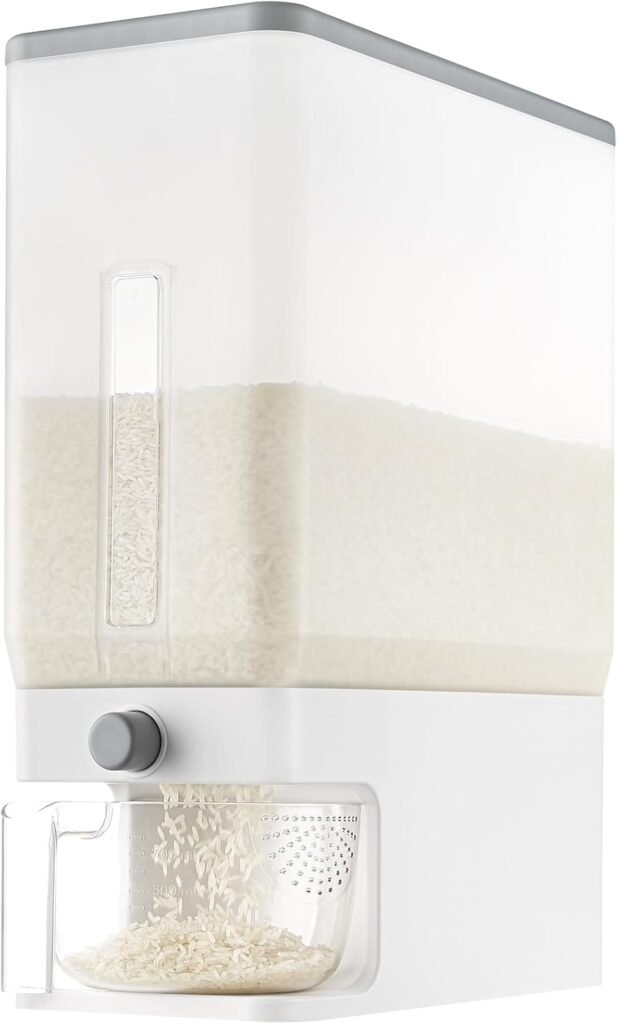
Rice storage container
A simple storage upgrade that supports freshness and makes everyday rice preparation feel more orderly.
A note on recommendations
I prefer to recommend only a small number of tools that fit naturally into a calm home kitchen. The goal is not to turn cooking into a shopping project, but to choose a few pieces that quietly improve the meal.
Final Thoughts
Donabe rice is not only about better rice. It is about a better feeling around the meal. The clay pot slows the process just enough to make cooking feel more present, and that presence often carries all the way to the table.
That is why I keep coming back to it. In a world that encourages speed and convenience everywhere, a donabe offers another possibility: a quieter meal, a softer rhythm, and a more grounded kind of satisfaction.
Related reading on The Zen Longevity
- A Japanese Perspective on Better Rice at Home: Fresh Milling, Simplicity, and Everyday Meals
- How Freshly Milled Rice Changes the Everyday Meal
- The Japanese Breakfast for Longevity: What a Balanced Morning Meal Looks Like
- Miso Soup Every Day? What This Japanese Habit Can Teach Us About Simple Nutrition


コメント