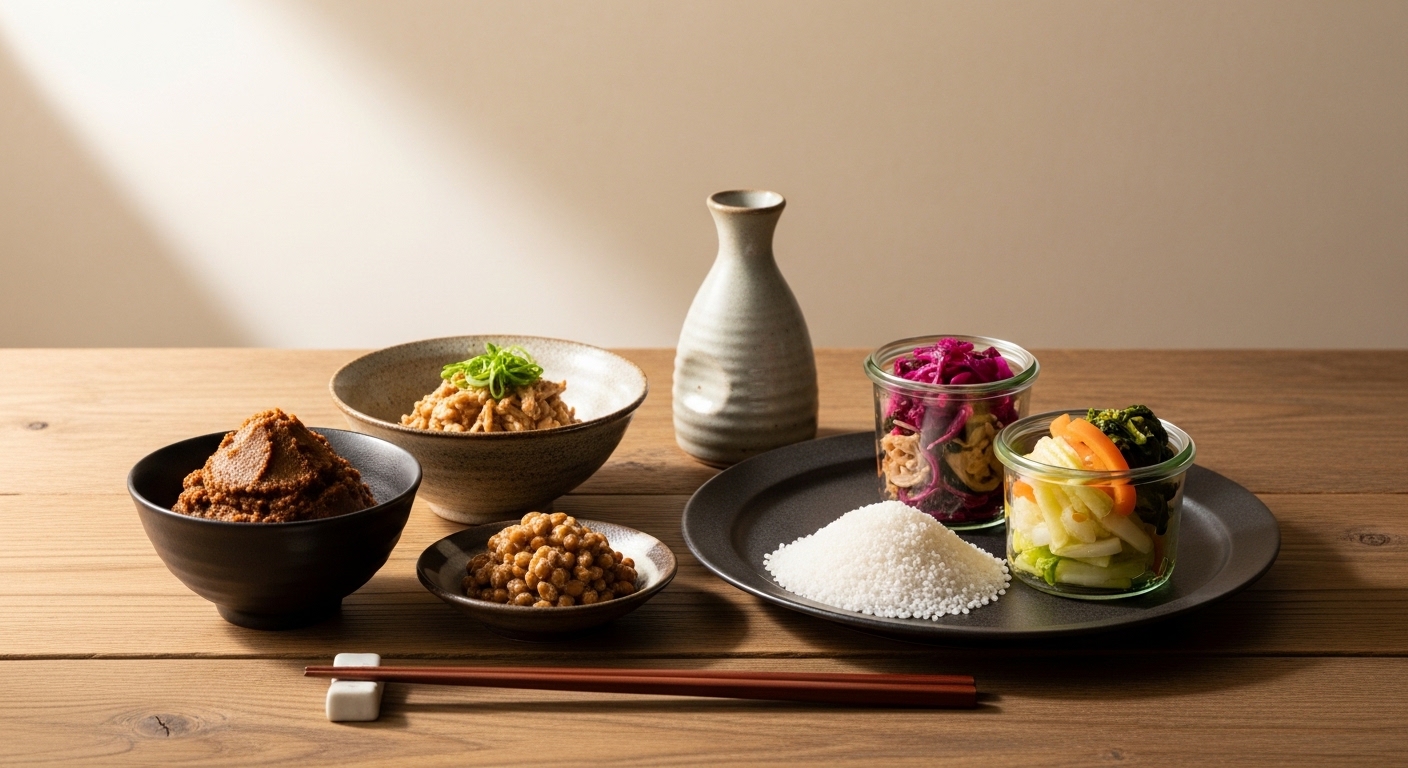
Japanese Fermented Foods for Gut Health and Healthy Aging
Japanese fermented foods are not only traditional staples. They also reflect a quieter, more sustainable approach to healthy aging. From miso and natto to koji and pickled vegetables, these foods support digestion, balance, and everyday nourishment in ways that modern wellness culture is only beginning to appreciate.
In conversations about longevity, people often focus on dramatic interventions.
Supplements, fasting strategies, and anti-aging compounds tend to attract attention because they promise measurable change. But in many long-living food cultures, health is not built on one powerful shortcut. It is built on small daily habits repeated over time.
This is one reason Japanese fermented foods are so interesting.
They are deeply ordinary, woven into home cooking rather than separated from it. Miso soup, natto, soy sauce, koji-based seasonings, and pickled vegetables are not usually treated as exotic wellness products inside Japan. They are simply part of a daily rhythm of eating.
And yet, these simple foods may offer meaningful support for healthy aging.
They can help create a better digestive environment, provide beneficial compounds produced through fermentation, and support a way of eating that feels steady rather than extreme.
In this article
- Why fermentation matters for healthy aging
- How Japanese fermented foods support gut health
- What spermidine is, in simple terms
- Which traditional foods are worth paying attention to
- How to choose better fermented foods in everyday life
- Why Fermented Foods Matter for Healthy Aging
- The Link Between Gut Health and Everyday Well-Being
- What Is Spermidine, in Simple Terms?
- Why Japanese Fermented Foods Are So Interesting
- Japanese Fermented Foods Worth Paying Attention To
- How to Choose Better Fermented Foods
- Why This Matters More Than Extreme Biohacking
- How to Bring More Fermented Foods Into Daily Life
- Final Thoughts
- Recommended Japanese Fermented Foods to Explore
Why Fermented Foods Matter for Healthy Aging
Healthy aging is not only about avoiding disease. It is also about helping the body remain adaptable, resilient, and efficient over time.
As we age, many systems become less responsive. Digestion may feel heavier. Recovery can take longer. Energy regulation may become less stable. The body still knows how to repair and renew itself, but that process often becomes less efficient with time.
This is where fermented foods may play a meaningful role.
Fermentation transforms food through the action of beneficial microorganisms. In the process, foods can become easier to digest, more flavorful, and richer in certain useful compounds. Traditional fermented foods often support the body gently rather than aggressively.
Instead of treating health as a battle, they help create a better internal environment.
That idea is very much in line with the Japanese approach to longevity: supporting the body through daily balance, not forcing it through intensity.
A gentle longevity principle
Healthy aging is not always about adding more. Sometimes it begins by improving the quality of ordinary daily foods that support digestion, balance, and recovery.
The Link Between Gut Health and Everyday Well-Being
Much of long-term health begins in the digestive system.
The gut influences not only digestion, but also immune function, inflammation, nutrient absorption, and even how steady or unsettled the body feels day to day. When digestion is supported well, the whole system often functions with more ease.
This is one reason fermented foods have remained important across many traditional food cultures.
In Japan, fermentation is not a niche practice. It is part of the foundation of ordinary food. Miso, soy sauce, natto, rice bran pickles, and koji-based seasonings all reflect a long history of using microbial transformation to make food more alive, more digestible, and more integrated into daily life.
Of course, no single food can guarantee health.
But a meal pattern that regularly includes fermented foods may help support a digestive environment that feels calmer, more efficient, and more resilient over time.
What Is Spermidine, in Simple Terms?
One reason fermented foods are receiving new scientific attention is a naturally occurring compound called spermidine.
Spermidine is found in living cells and is involved in important processes related to cellular maintenance and survival. Researchers have become interested in it because it appears to be associated with how cells repair themselves and manage internal stress.
In simple terms, it is often discussed in relation to the body’s ability to clean up and recycle damaged internal material.
This process is sometimes linked to what scientists call autophagy, a natural cellular housekeeping function. While the science is still evolving, the broader idea is easy to understand: healthy aging depends partly on the body’s ability to maintain order, remove waste, and continue renewing itself.
Spermidine is not a miracle substance.
But it is one of the compounds that helps explain why some traditional foods are being re-evaluated through a modern longevity lens.
Spermidine, simply explained
Spermidine is a naturally occurring compound associated with cellular maintenance. It has drawn attention because it may support the body’s natural renewal processes as part of healthy aging research.
Why Japanese Fermented Foods Are So Interesting
Japanese fermented foods are especially compelling because they combine traditional wisdom with everyday practicality.
These are not specialty wellness products designed for occasional use. They are foods that have historically been eaten often, in small amounts, and as part of ordinary meals. That makes them more sustainable than many health trends that depend on strict routines or expensive protocols.
Fermentation in Japanese food culture is also remarkably diverse.
Some foods offer rich umami and digestive depth. Others contribute beneficial microbes or support the kitchen through enzymes and transformation. Together, they create a pattern of eating that is not built around one superfood, but around many small supports.
This is a more realistic model of longevity.
It suggests that daily nourishment matters more than dramatic intervention, and that the table itself may be one of the most important places where healthy aging begins.
Japanese Fermented Foods Worth Paying Attention To
1. Miso
Miso is one of the most familiar fermented foods in Japan.
Made from soybeans and often fermented with rice or barley using koji, miso offers flavor, warmth, and everyday practicality. Because it is often eaten in soup, it becomes part of a repeated daily ritual rather than an occasional health product.
Traditionally brewed miso can reflect long fermentation and a more complex nutritional and microbial profile than highly processed versions.
For many people, miso is one of the gentlest ways to bring fermented food into daily life.
2. Natto
Natto is one of the richest traditional examples of fermentation in everyday Japanese eating.
Its texture can be polarizing, but it is widely respected for its nutritional density. As a fermented soybean food, natto is often discussed in relation to gut health, cardiovascular support, and compounds associated with healthy aging.
It is also one of the foods most often mentioned in discussions of dietary spermidine.
For people who enjoy it, natto is a powerful example of how an ordinary breakfast food can also reflect deep nutritional tradition.
3. Koji-Based Foods and Seasonings
Koji is foundational to Japanese fermentation.
Used in the making of miso, soy sauce, sake, and other traditional foods, koji helps break down starches and proteins into more digestible and flavorful forms. This enzymatic transformation is part of what makes many Japanese fermented foods feel both rich and gentle at the same time.
Koji also represents something important philosophically: transformation through patience.
That quality is very much in harmony with the broader Japanese approach to longevity.
4. Soy Sauce
Soy sauce is often treated simply as a seasoning, but traditionally brewed soy sauce is also a fermented food.
In smaller amounts, it brings depth, complexity, and microbial history into ordinary meals. Like miso, its value depends heavily on how it is made. Naturally brewed soy sauce tends to reflect a slower and more traditional process than highly industrial versions.
It may not be the main health food on the table, but it is part of the broader fermented ecosystem of the Japanese kitchen.
5. Nukazuke and Other Traditional Pickles
Japanese pickling traditions are another important part of fermented food culture.
Nukazuke, made in rice bran beds, are especially interesting because they combine vegetables with a living fermentation environment. These foods can contribute both flavor and digestive support, while also making vegetables more varied and appealing in daily meals.
Even small portions matter.
Traditional Japanese eating often works through modest amounts repeated consistently.
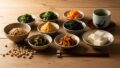
Fermented foods commonly found in Japanese eating
- Miso
- Natto
- Koji-based seasonings
- Traditionally brewed soy sauce
- Nukazuke and other pickled vegetables
How to Choose Better Fermented Foods
Not all fermented foods are equal.
If you want the benefits of traditional fermentation, the quality of the product matters. Some modern products are designed primarily for shelf stability, speed, or sweetness rather than for preserving the original depth of fermentation.
In general, it helps to look for foods that feel closer to traditional production methods.
This may include:
- Short ingredient lists
- Traditional brewing or aging methods
- Fewer unnecessary additives or sweeteners
- Products that emphasize natural fermentation rather than imitation flavor
You do not have to become rigid about this.
But if fermented foods are going to become part of your health foundation, it makes sense to choose versions that still carry some of the qualities that made them valuable in the first place.
Why This Matters More Than Extreme Biohacking
Modern longevity culture often pushes people toward precision, control, and optimization.
There can be value in scientific curiosity, but many people become disconnected from the simpler truth that health is shaped mostly by what happens repeatedly. Daily food choices matter more than occasional extremes.
This is where Japanese fermented foods offer a more sustainable model.
They support the body through repetition, not intensity. They fit inside meals rather than sitting outside them as a correction. They feel domestic, calm, and realistic.
That may be exactly why they matter.
The body often responds well to habits that are stable enough to become ordinary.
Why everyday food matters
Fermented foods are most powerful not when they are treated as miracles, but when they become part of a steady and sustainable daily rhythm of eating.
How to Bring More Fermented Foods Into Daily Life
You do not need to change everything at once.
A gentler place to begin is with one daily habit. You might start with miso soup a few times a week. You might try natto at breakfast. You might choose a more traditional soy sauce. You might add a small serving of fermented pickles alongside rice and vegetables.
The goal is not to build a perfect anti-aging diet overnight.
It is to strengthen the foundations of everyday nourishment.
That is one of the deepest lessons in Japanese food culture: health is often shaped quietly, through habits that are repeated without drama.
Final Thoughts
Japanese fermented foods are more than traditional ingredients.
They are part of a larger way of thinking about food, one in which digestion, balance, and healthy aging begin with what is eaten every day. Miso, natto, koji, soy sauce, and pickled vegetables may seem simple, but their value lies in that very simplicity.
They do not ask for perfection.
They do not require a trend.
They simply ask to be part of daily life.
That may be one of the most sustainable paths to long-term well-being.
Related reading on The Zen Longevity
Recommended Japanese Fermented Foods to Explore
If you would like to bring more of this Japanese approach to fermentation into your daily life, it helps to begin with just a few reliable staples.
You do not need to try everything at once. A gentler place to start is to choose one or two fermented foods that fit naturally into simple meals you can actually repeat.
A simple place to begin
- Start with one everyday fermented staple such as miso
- Choose one ingredient that works easily in soups, rice, or simple side dishes
- Focus on traditional, minimally processed products when possible
- Build familiarity slowly rather than trying everything at once
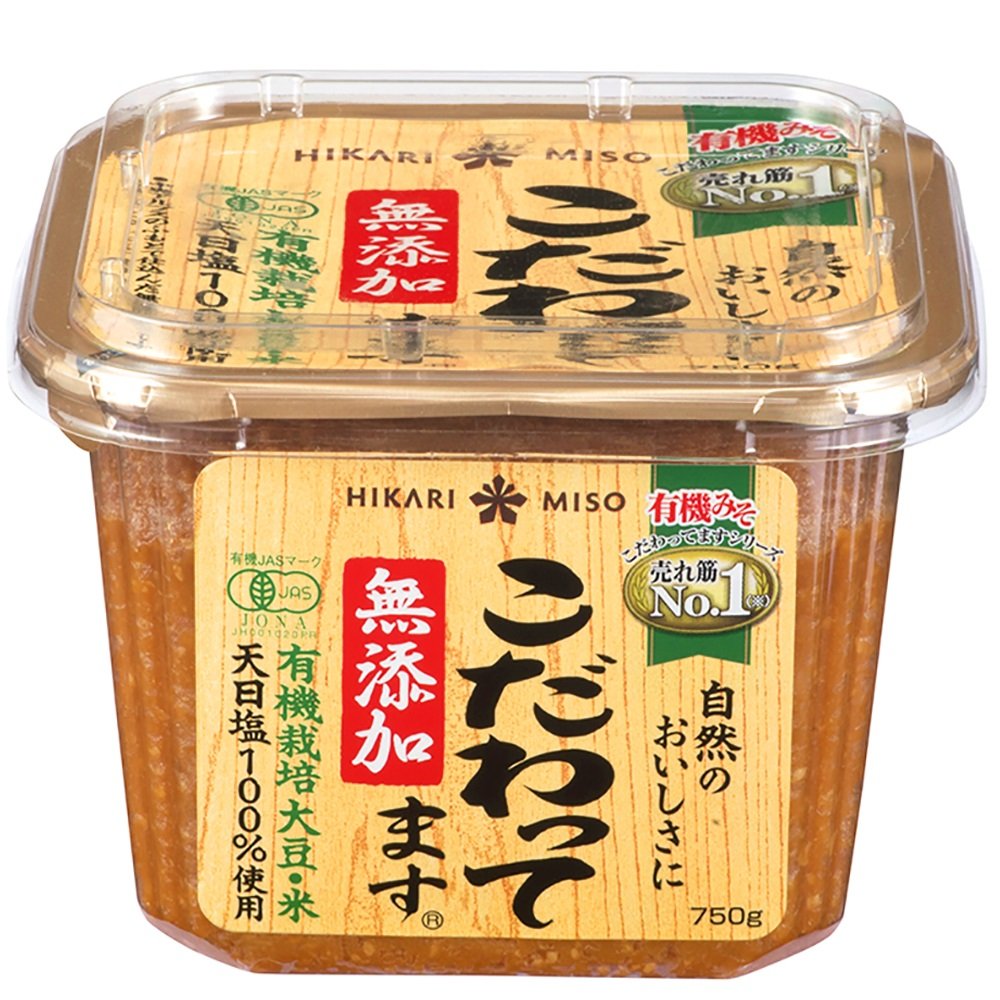
1. Traditionally Brewed Miso
Miso is one of the easiest fermented foods to bring into everyday life. It works naturally in soups, broths, sauces, and simple home cooking, while reflecting the warmth and practicality of Japanese food culture.

2. Shio Koji
Shio koji is one of the easiest ways to explore Japanese fermentation in everyday cooking. It adds gentle depth to vegetables, meat, fish, and simple home meals while reflecting the practical side of koji-based traditions.
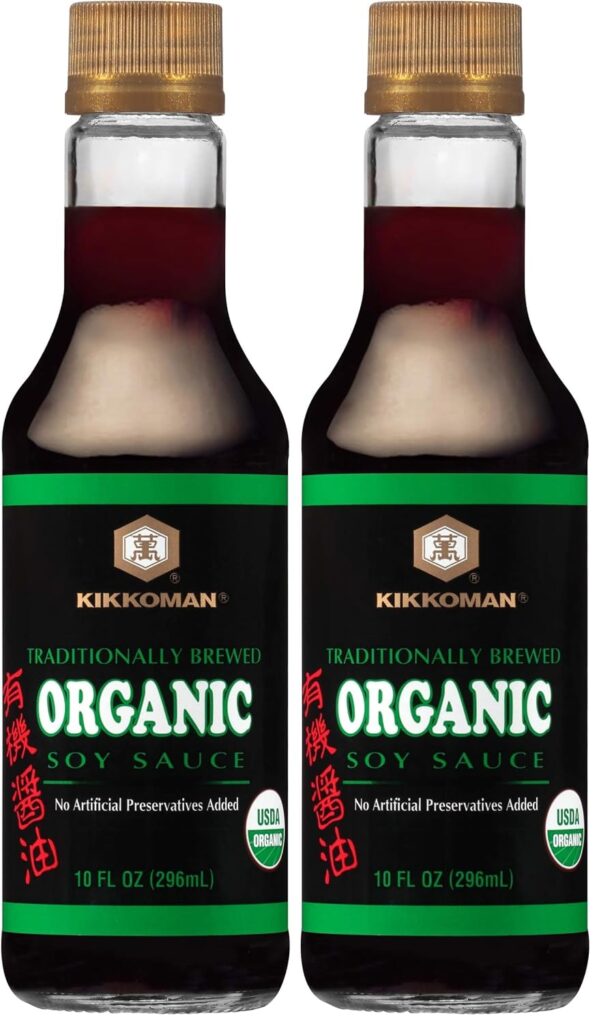
3. Naturally Brewed Soy Sauce
Traditionally brewed soy sauce is a simple way to bring more fermented depth into ordinary meals. Even used in small amounts, it adds balance and complexity to vegetables, tofu, fish, rice dishes, and dressings.
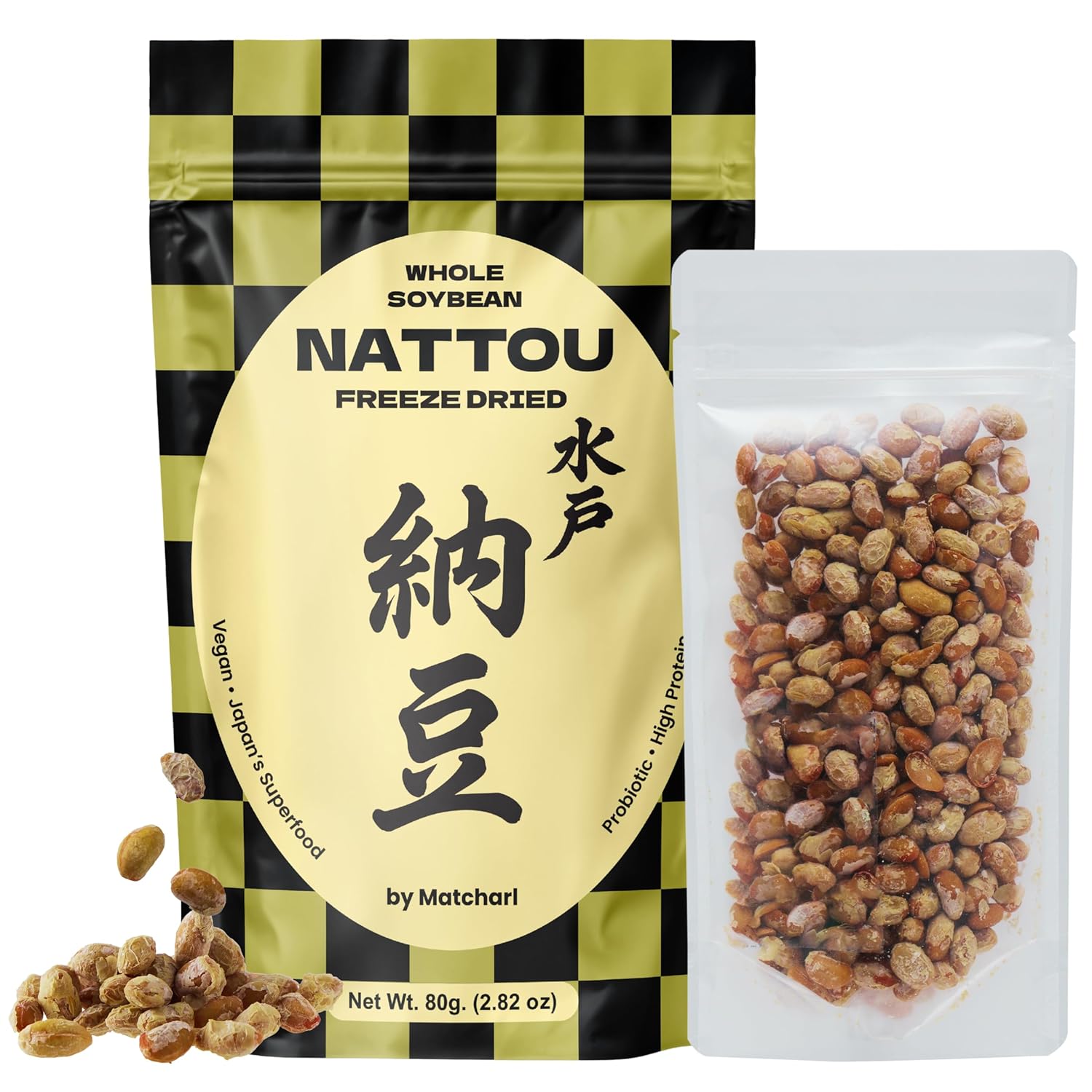
4. Natto
Natto is one of Japan’s most distinctive fermented foods. Its texture and flavor may take time to get used to, but it is one of the most traditional and widely discussed foods in conversations about Japanese healthy aging.
A note on recommendations
We recommend fermented foods that can be used in simple, repeatable meals. The goal is not to buy many products at once, but to begin with a few ingredients that make everyday eating feel more grounded and nourishing.

コメント